Figures
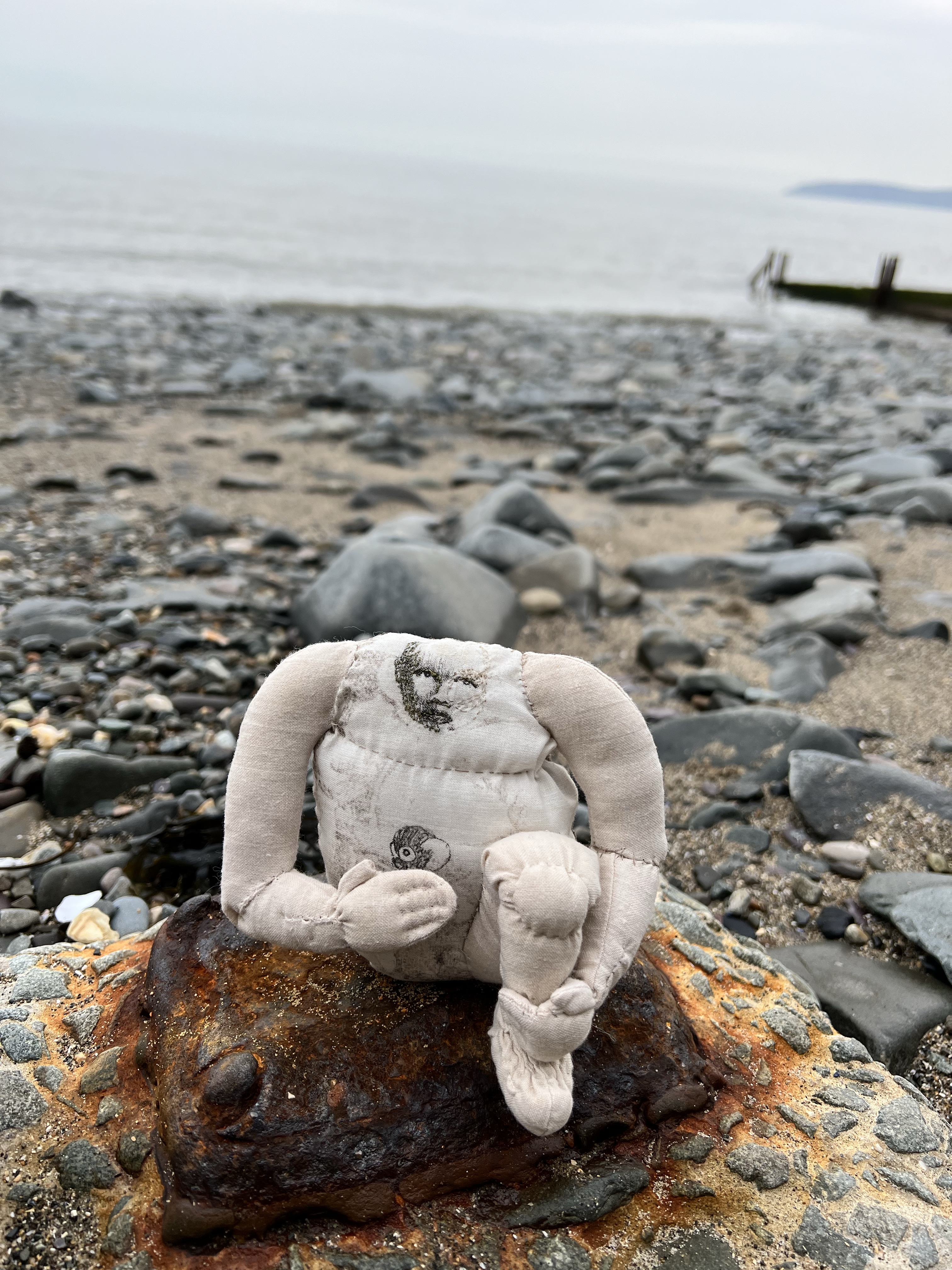
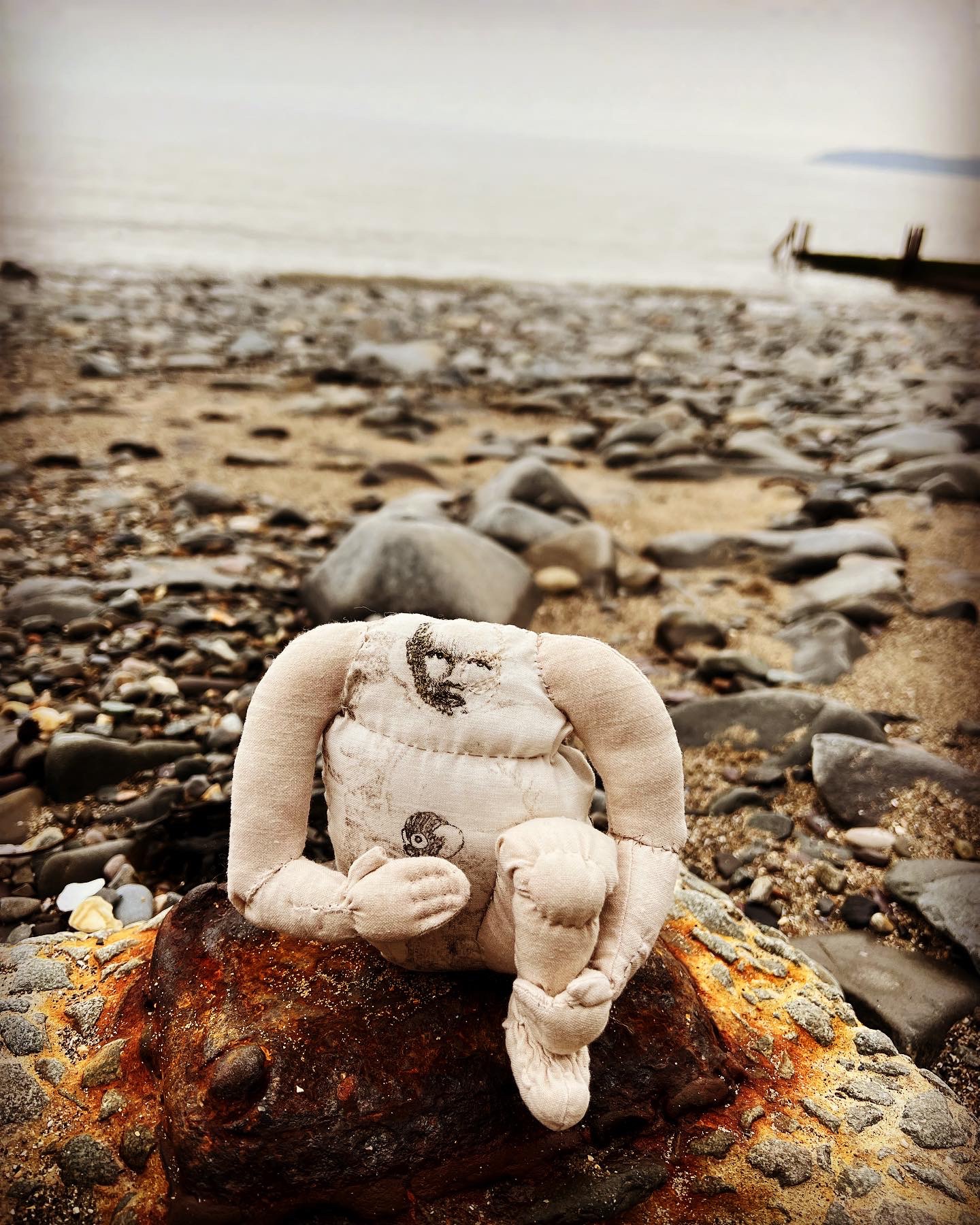

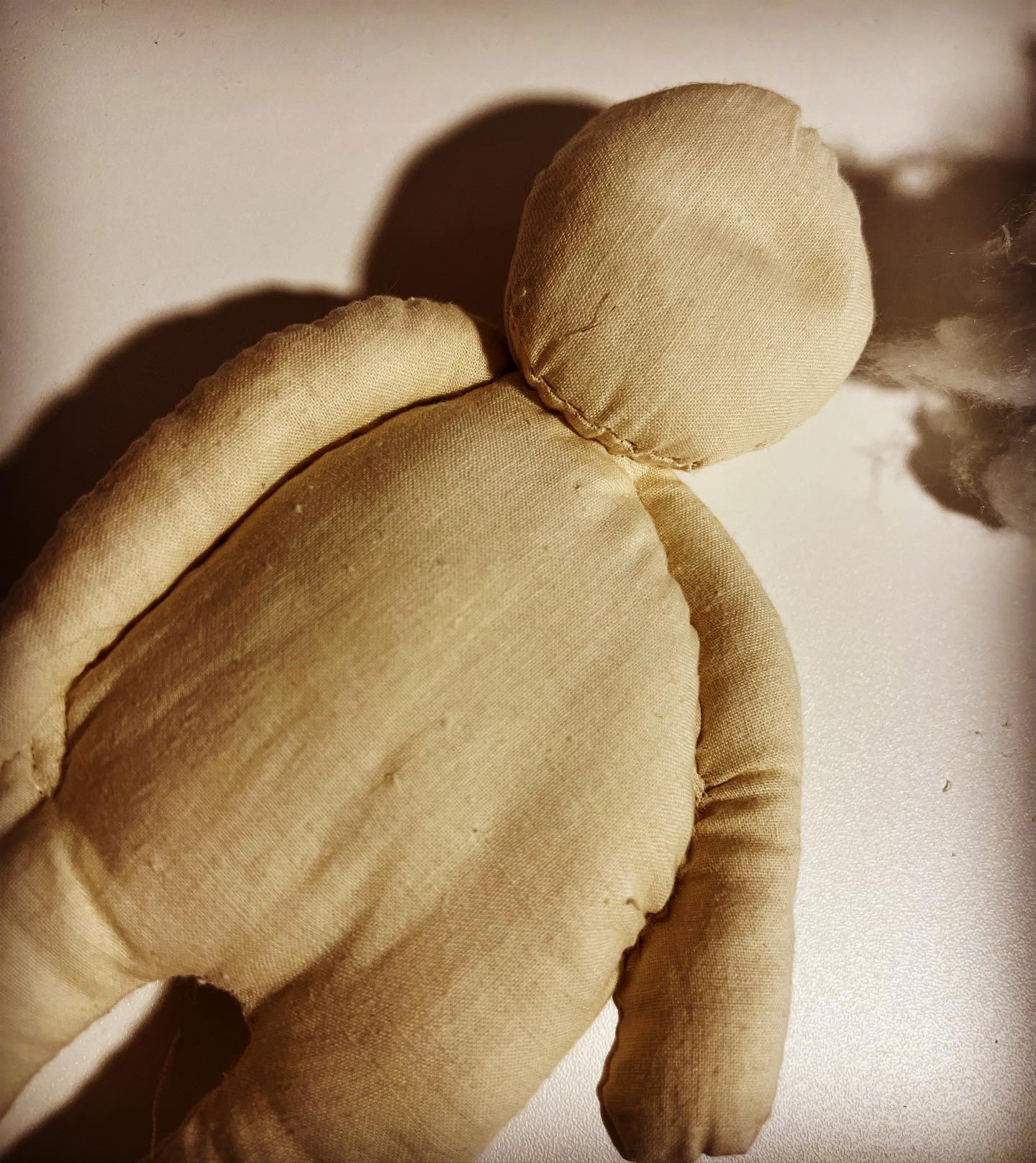
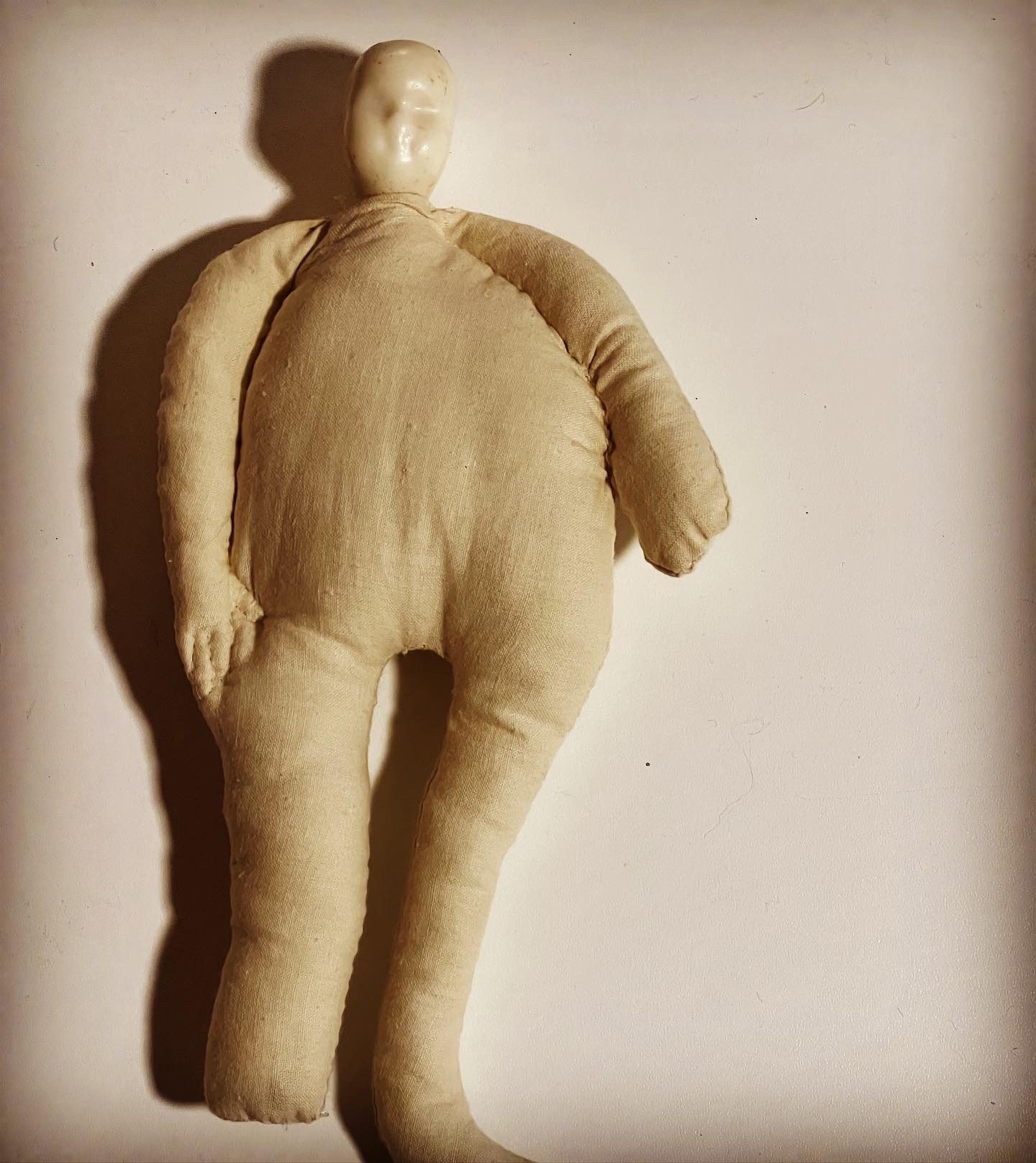
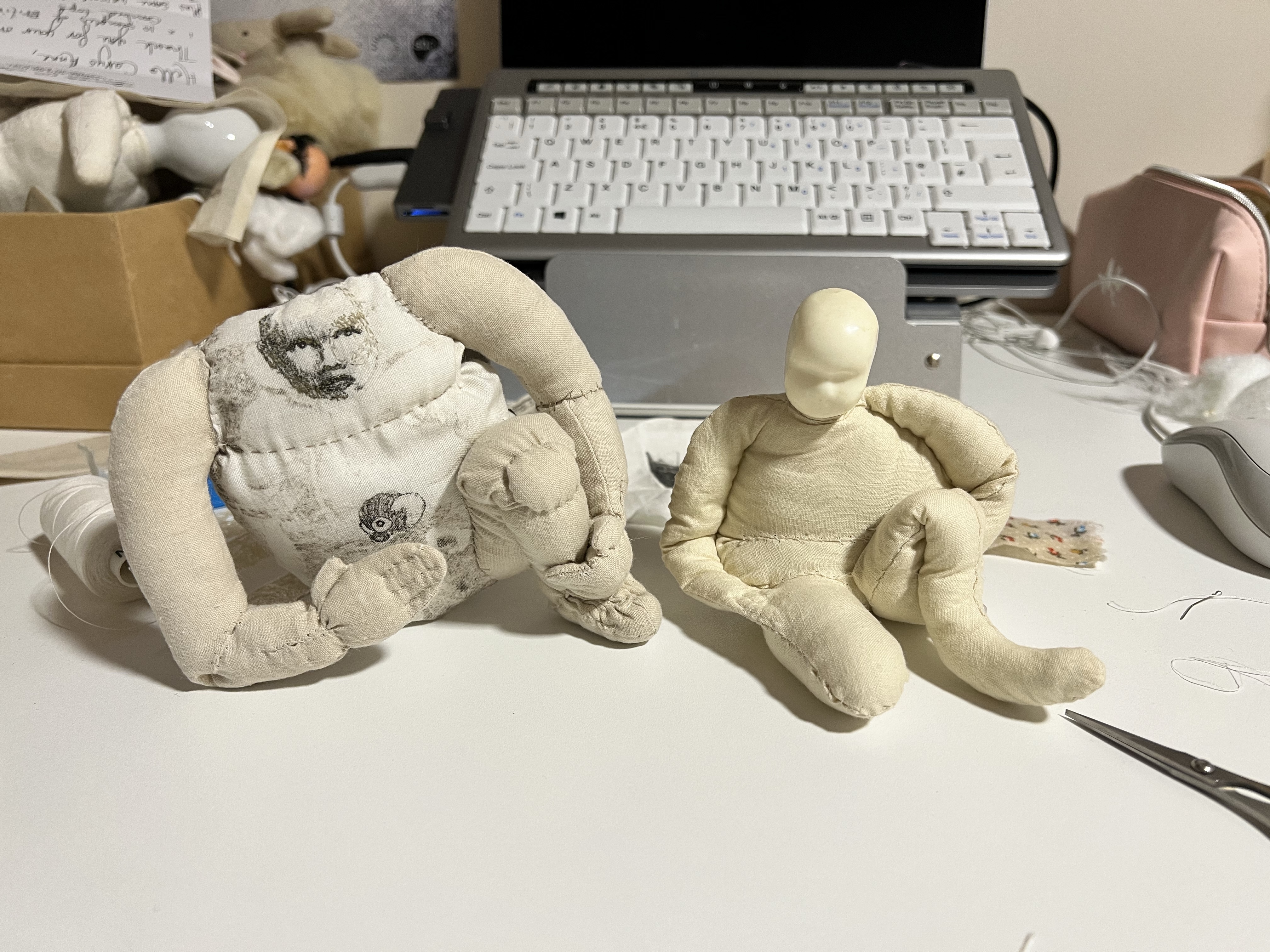

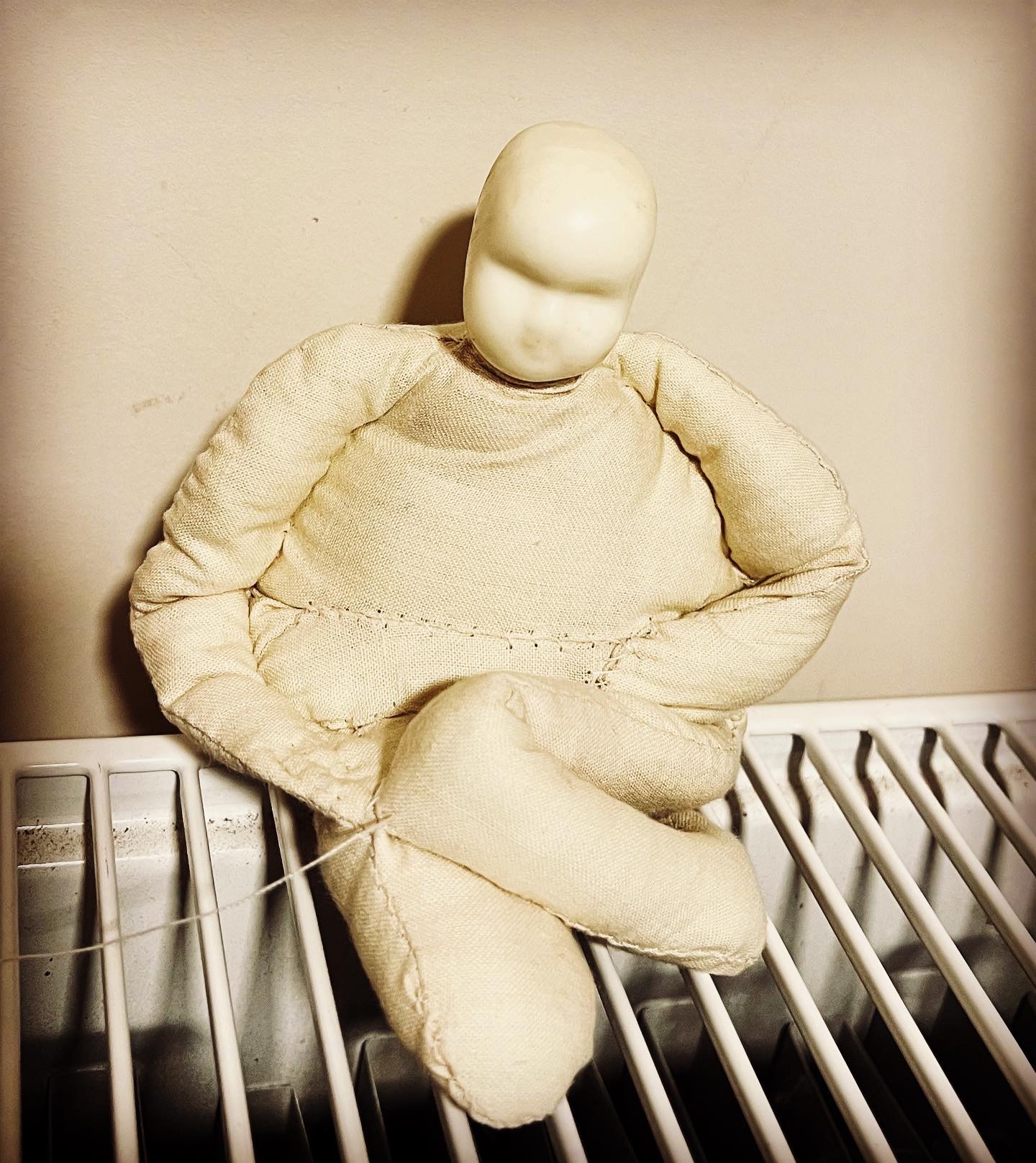
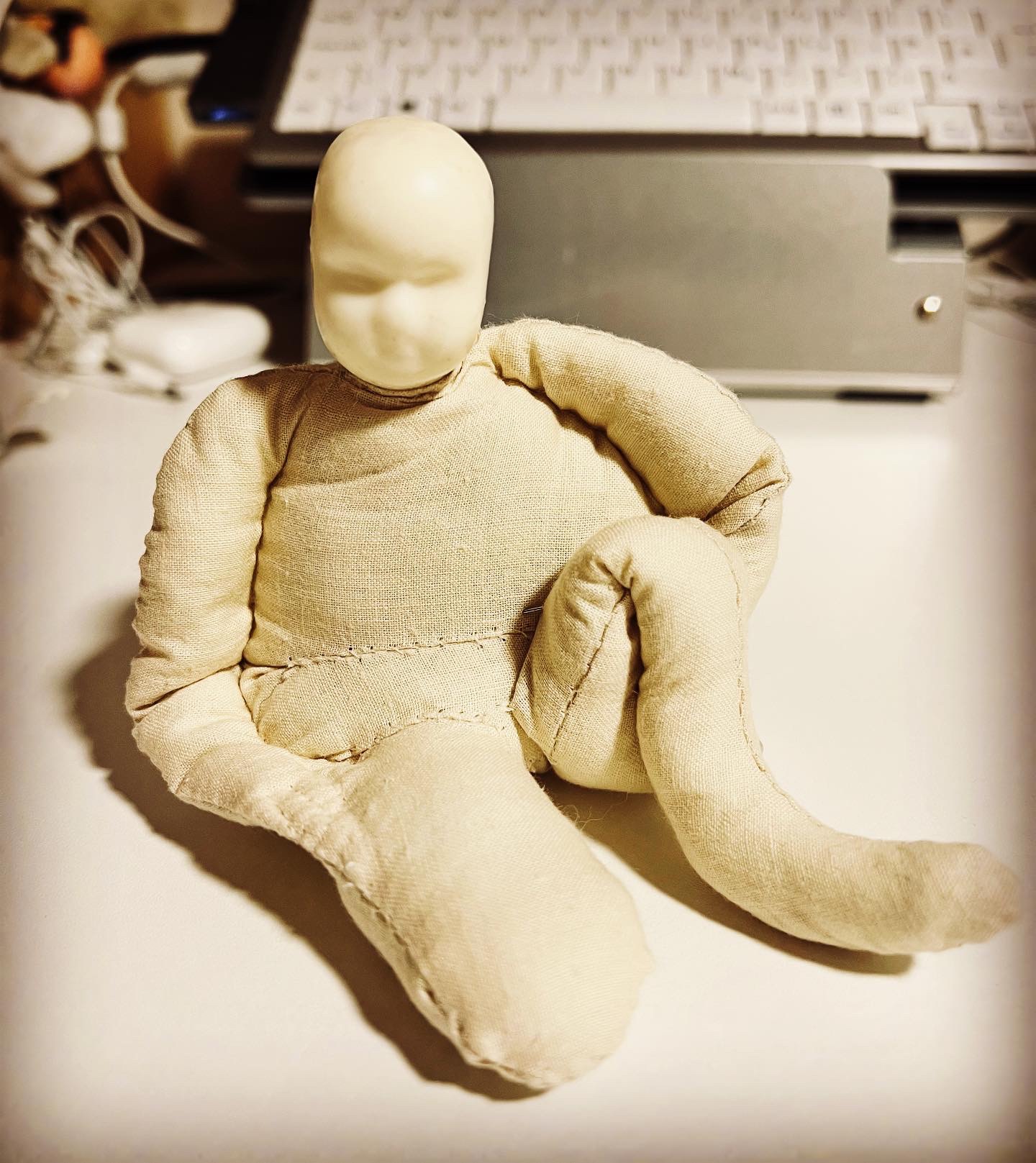
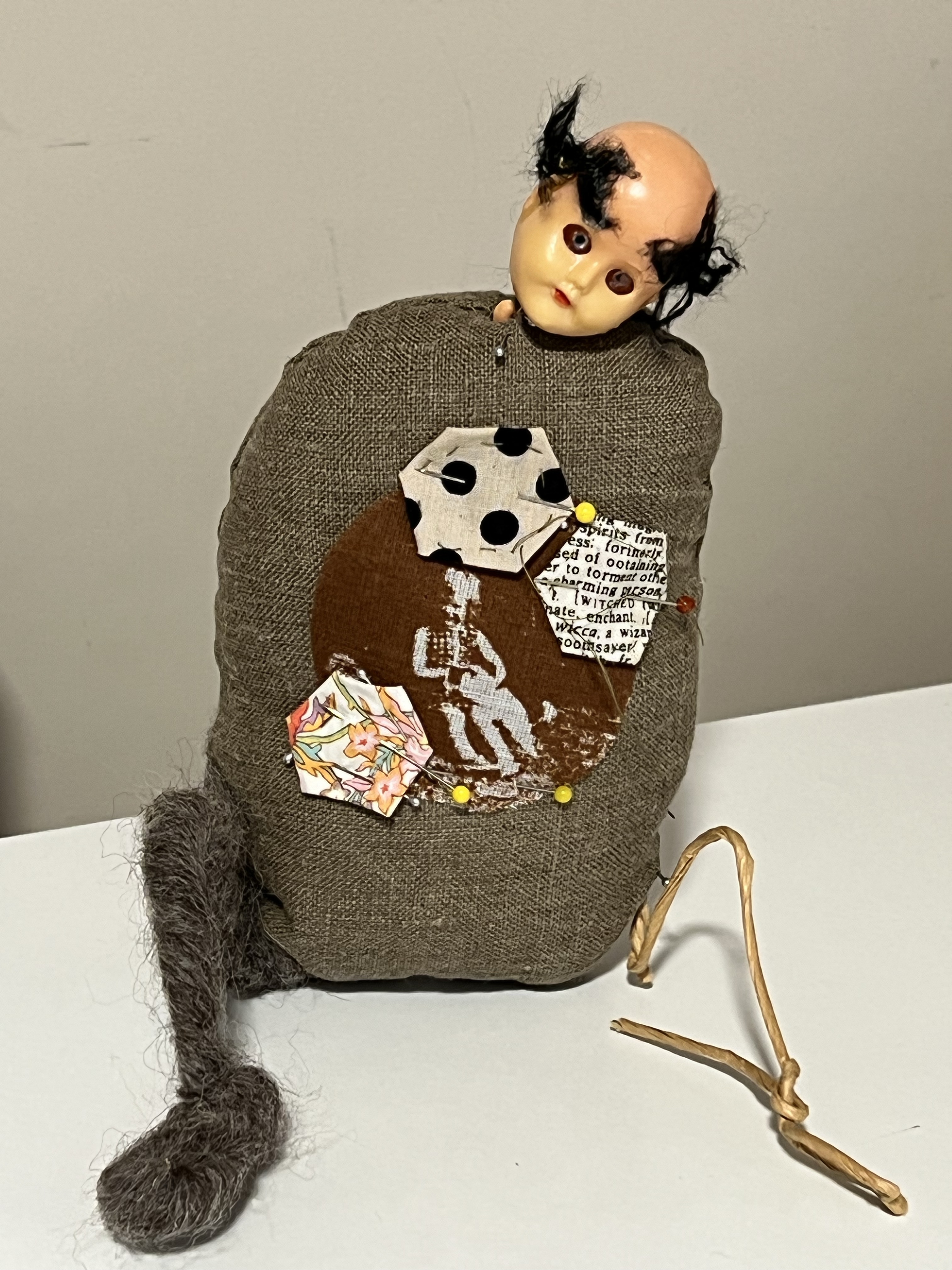
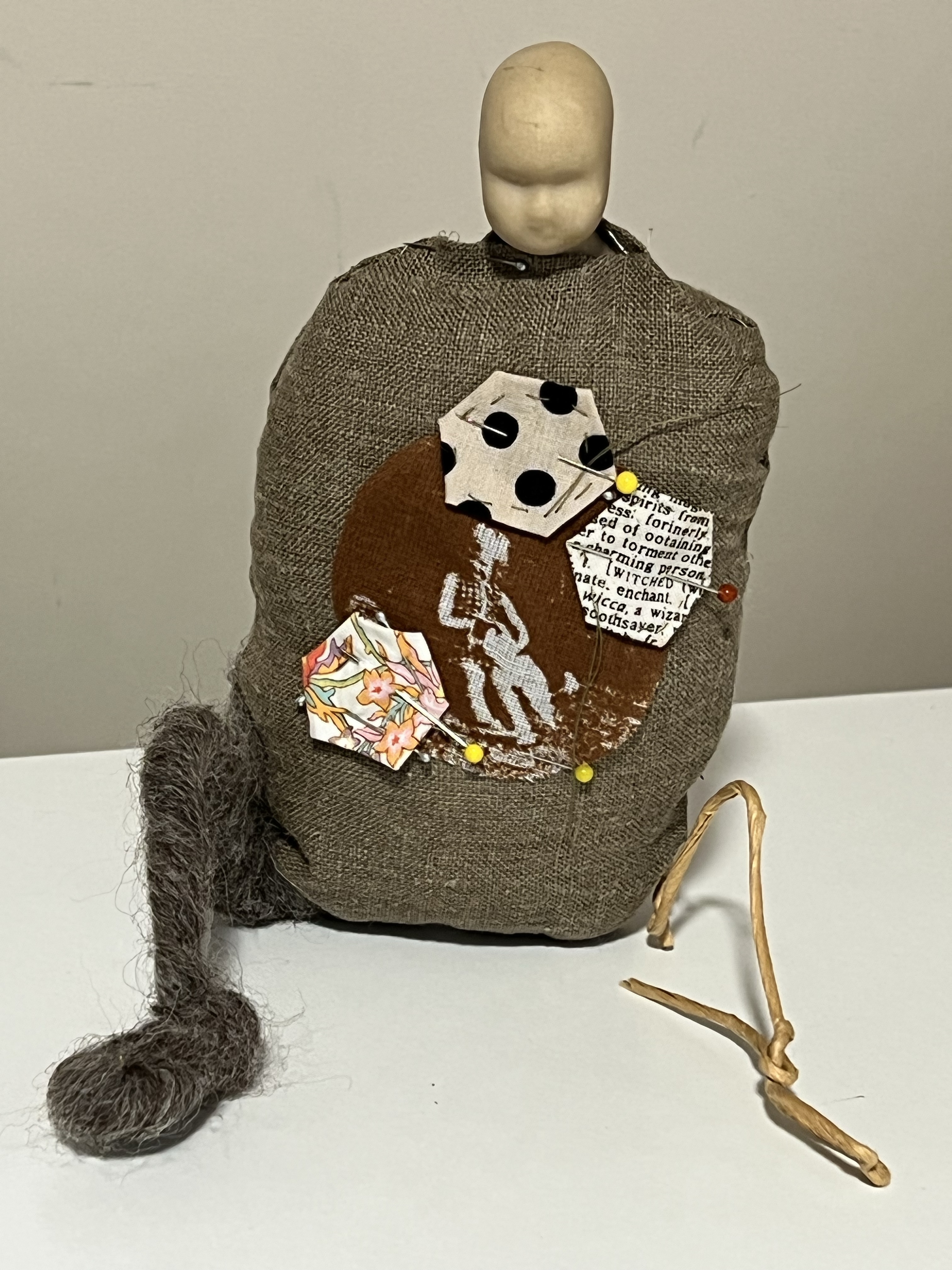

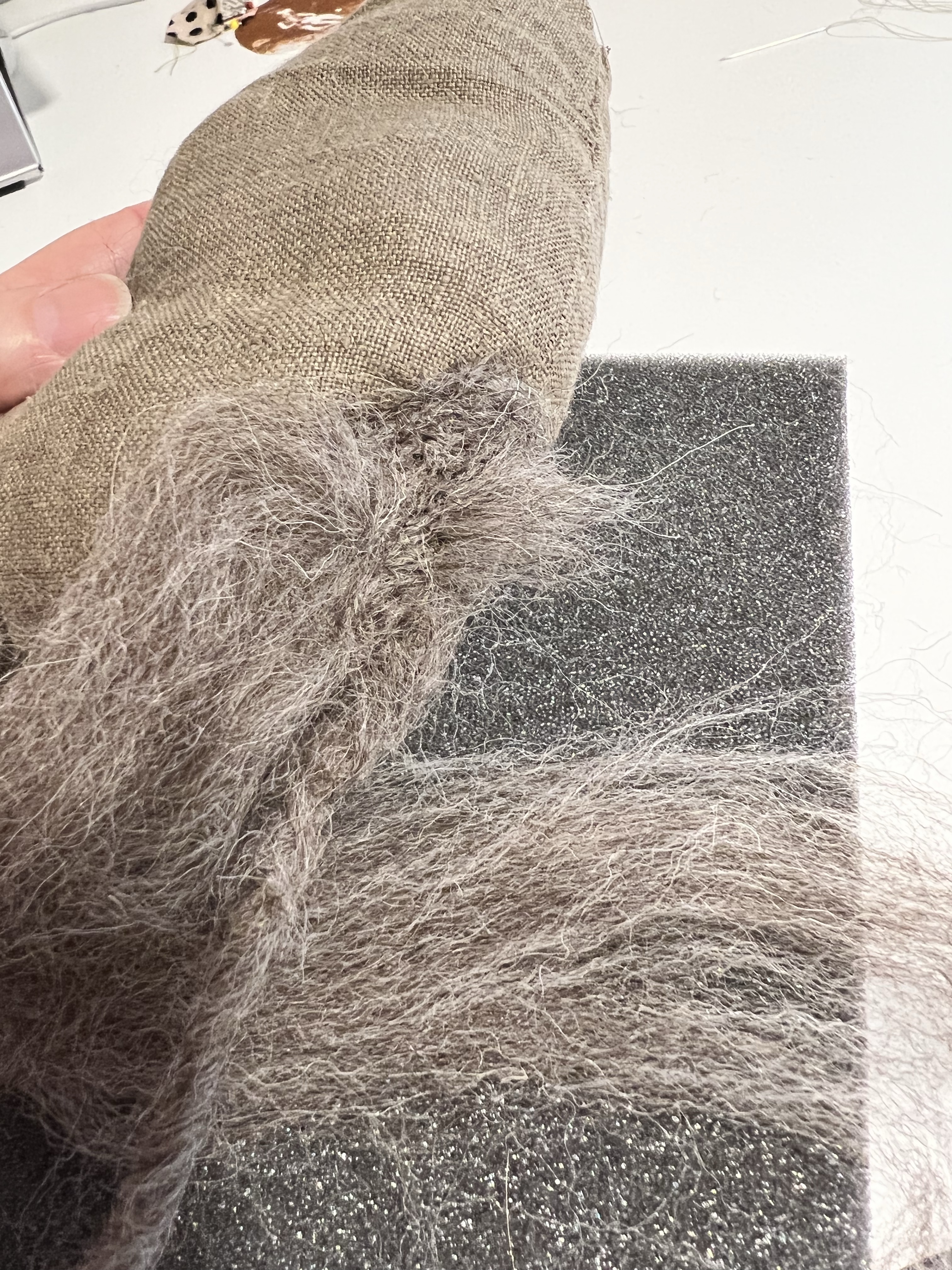
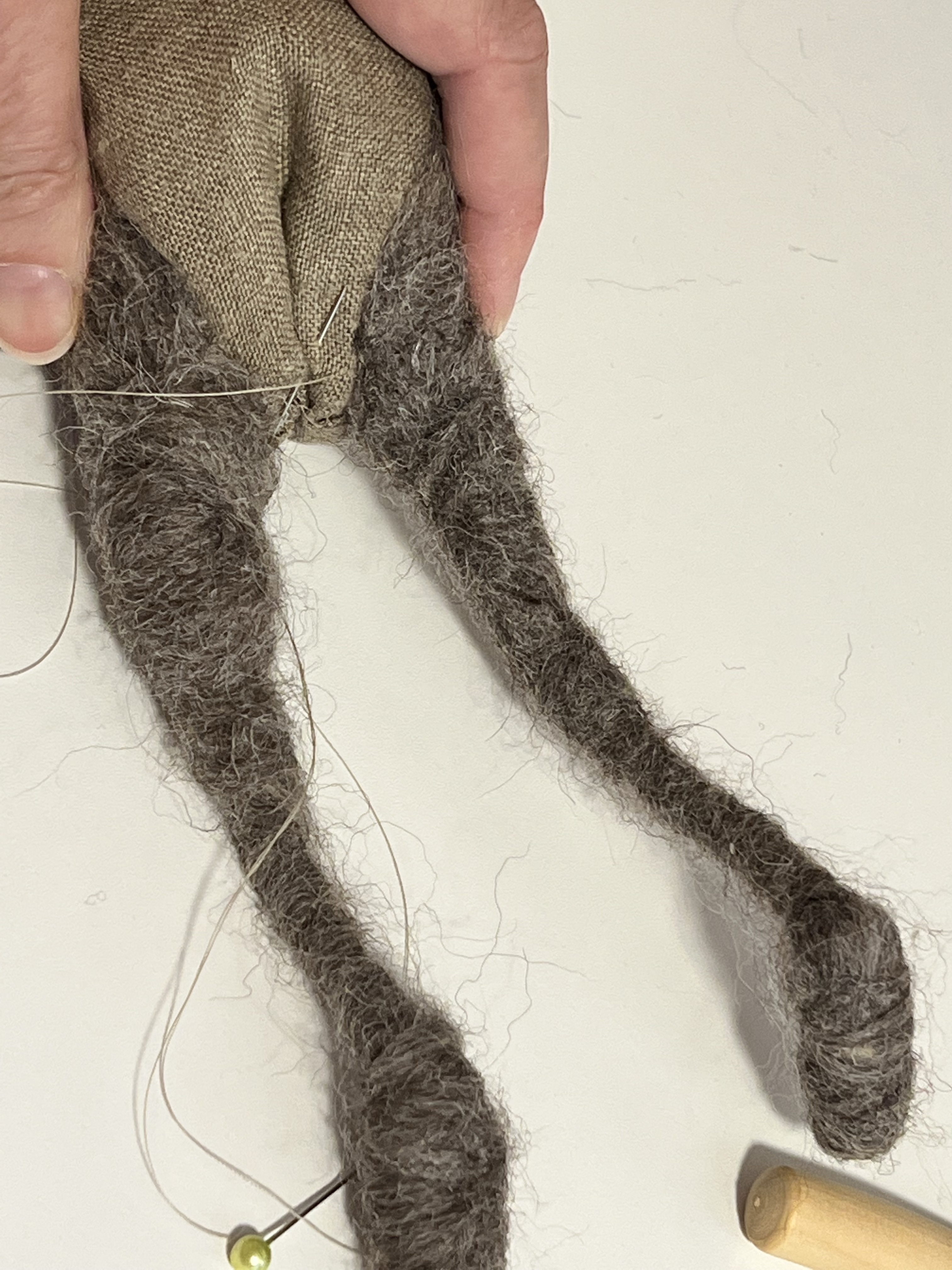
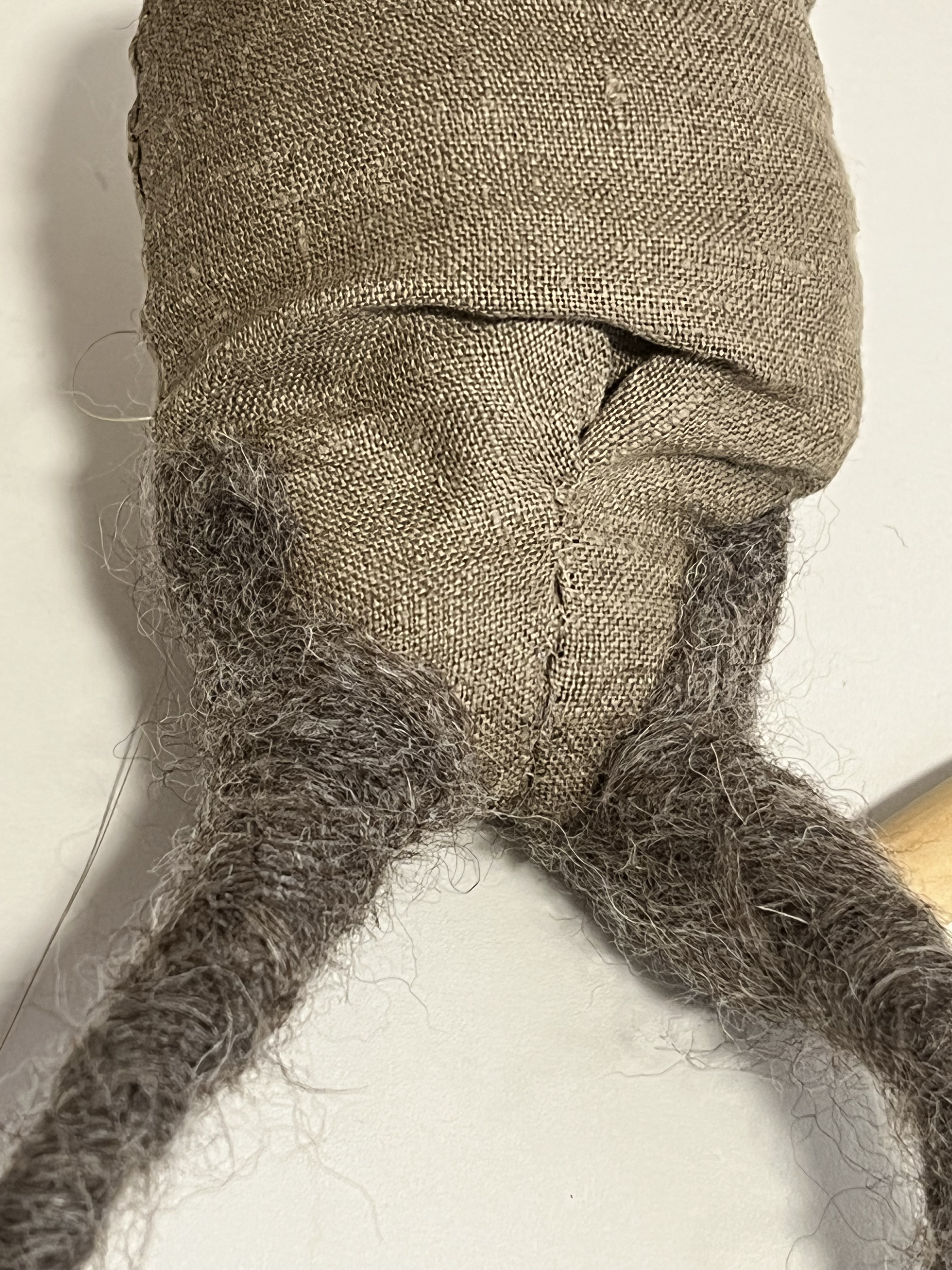
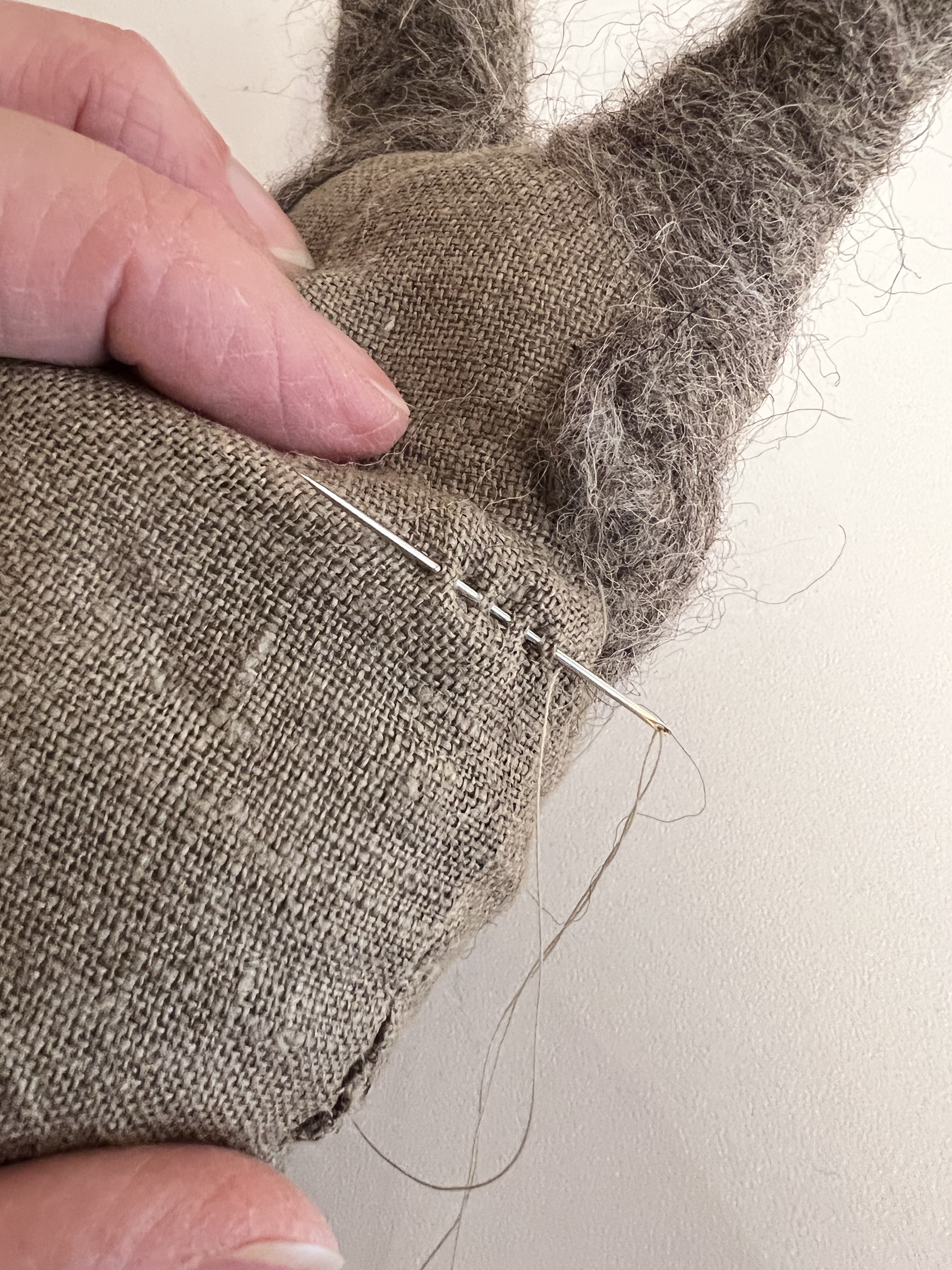
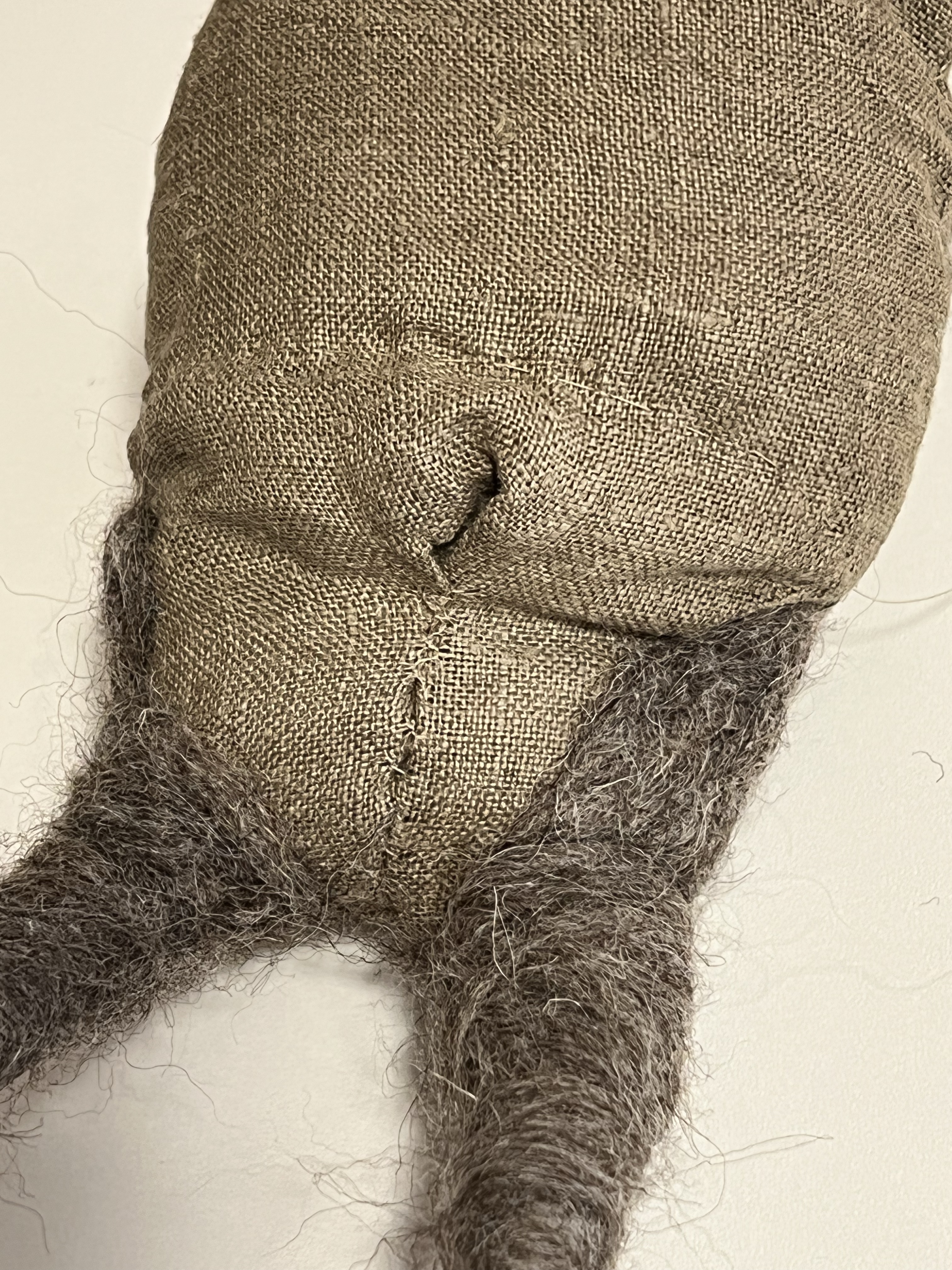
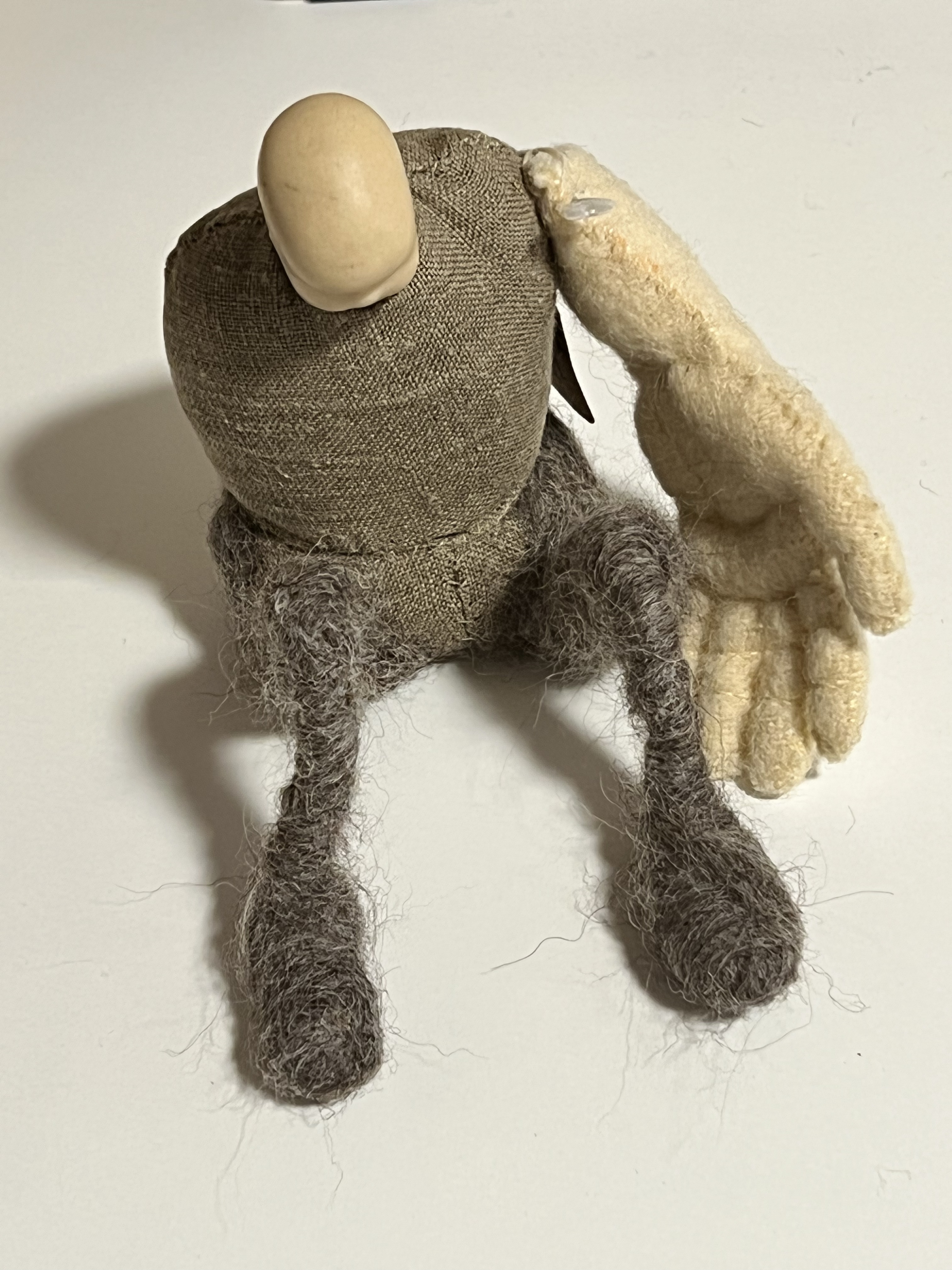
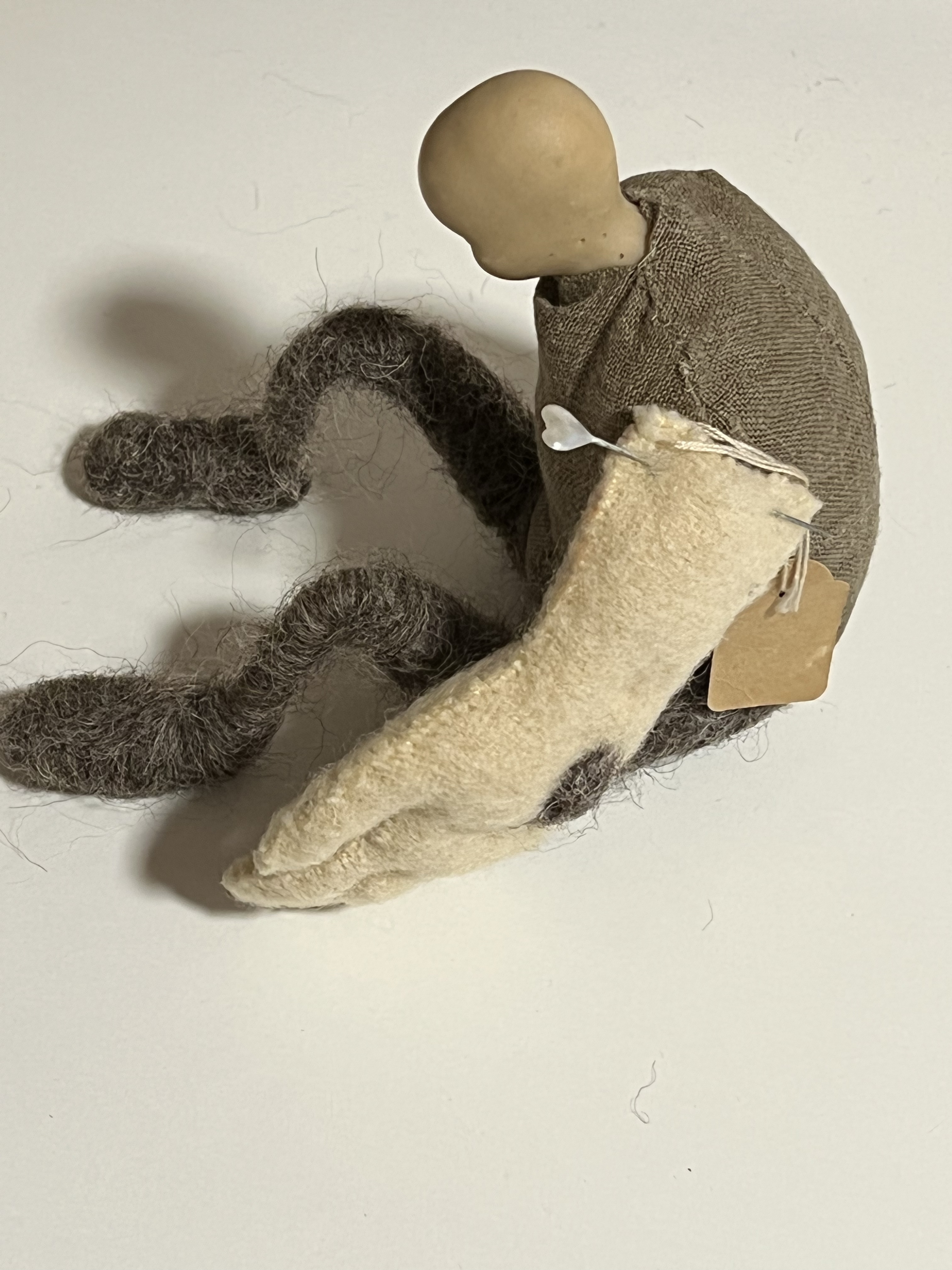
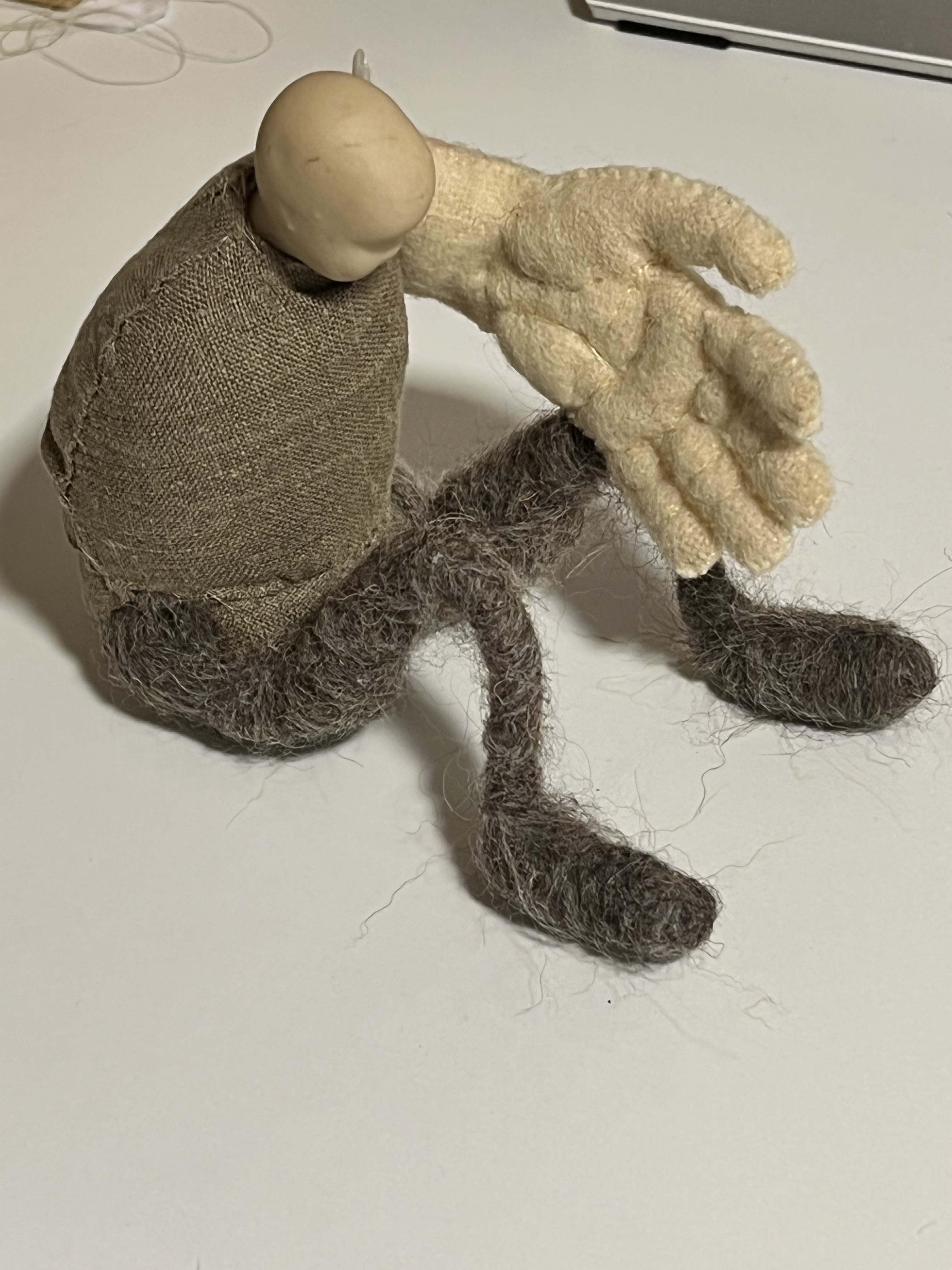
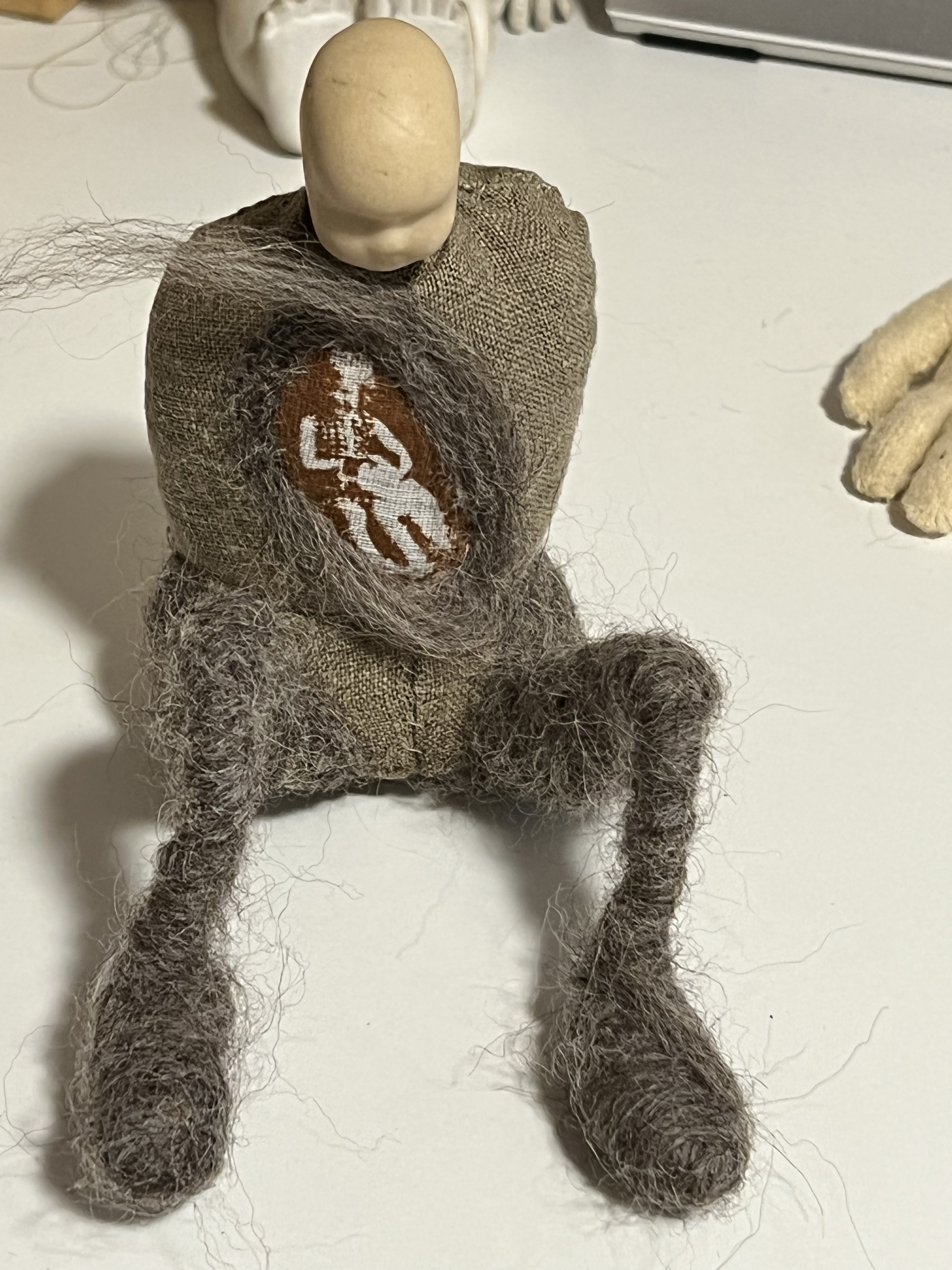
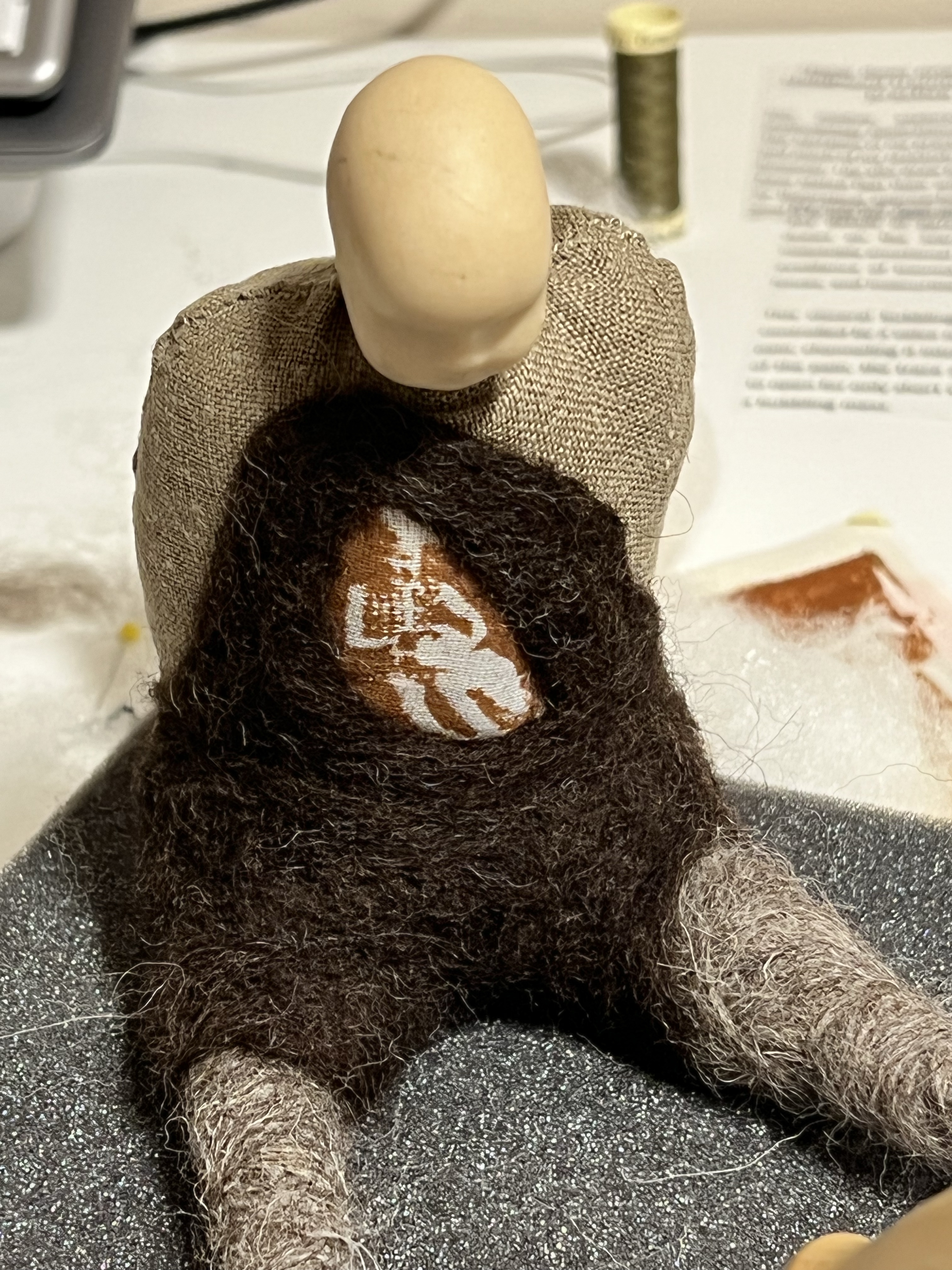
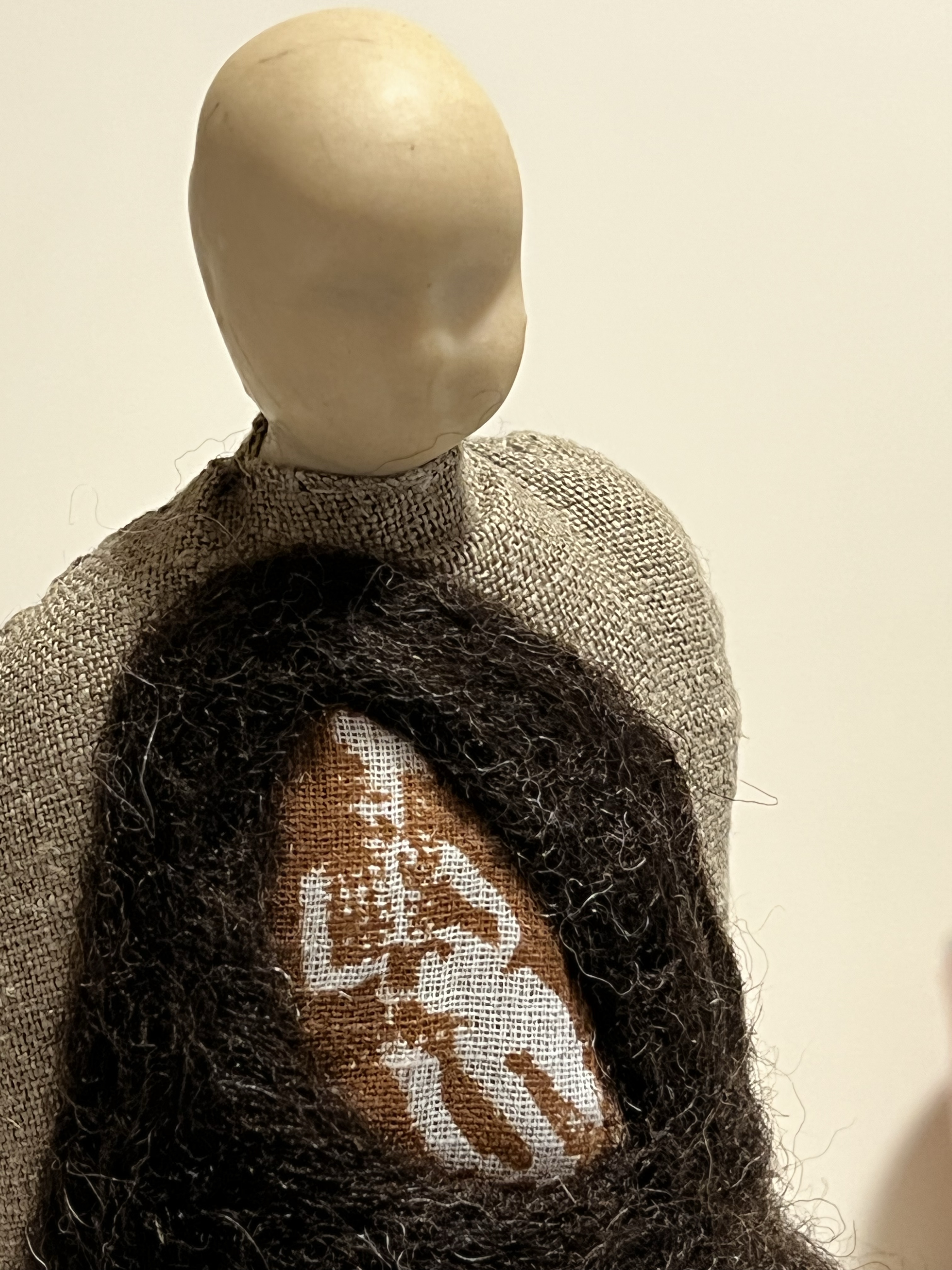
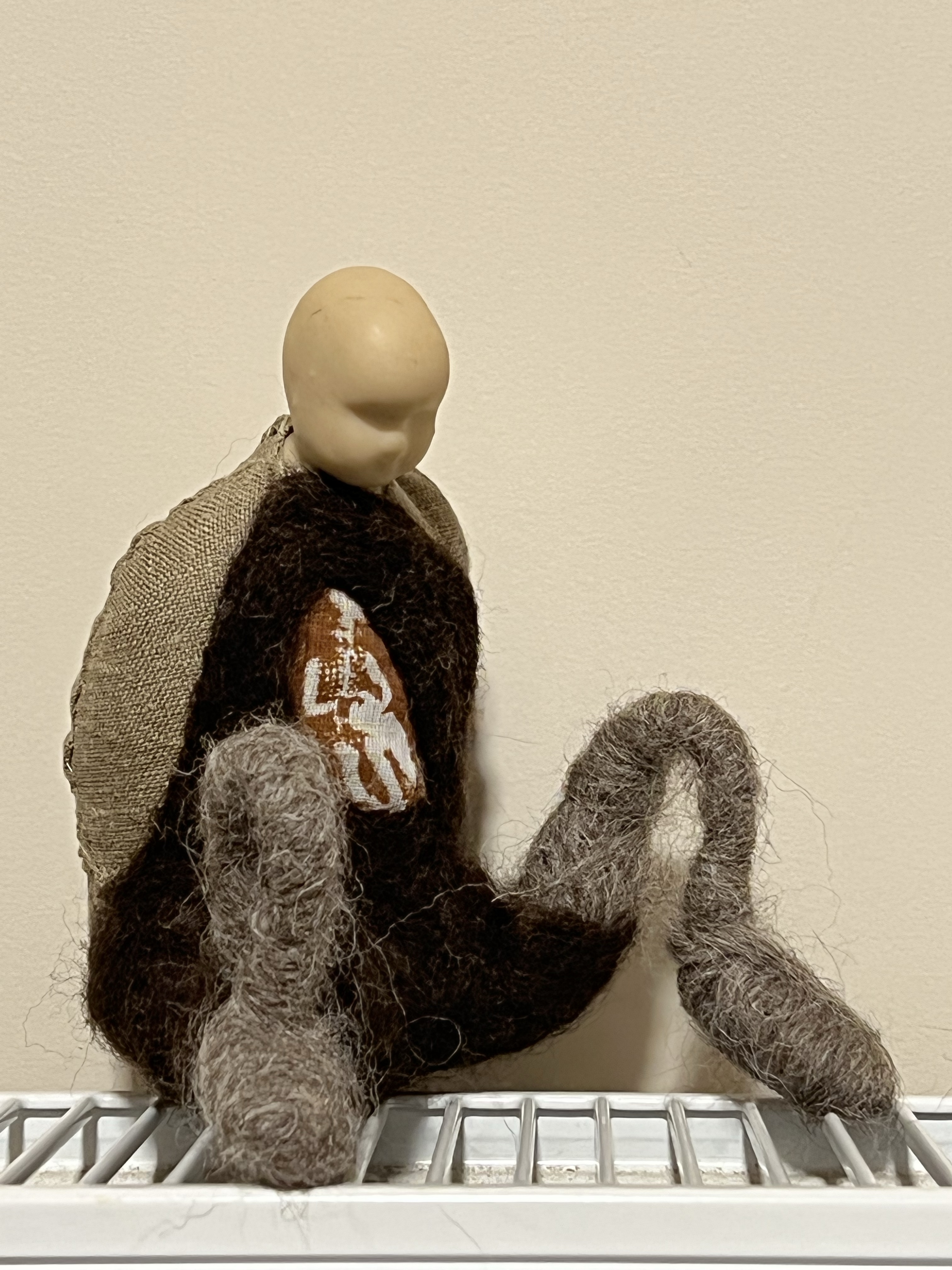
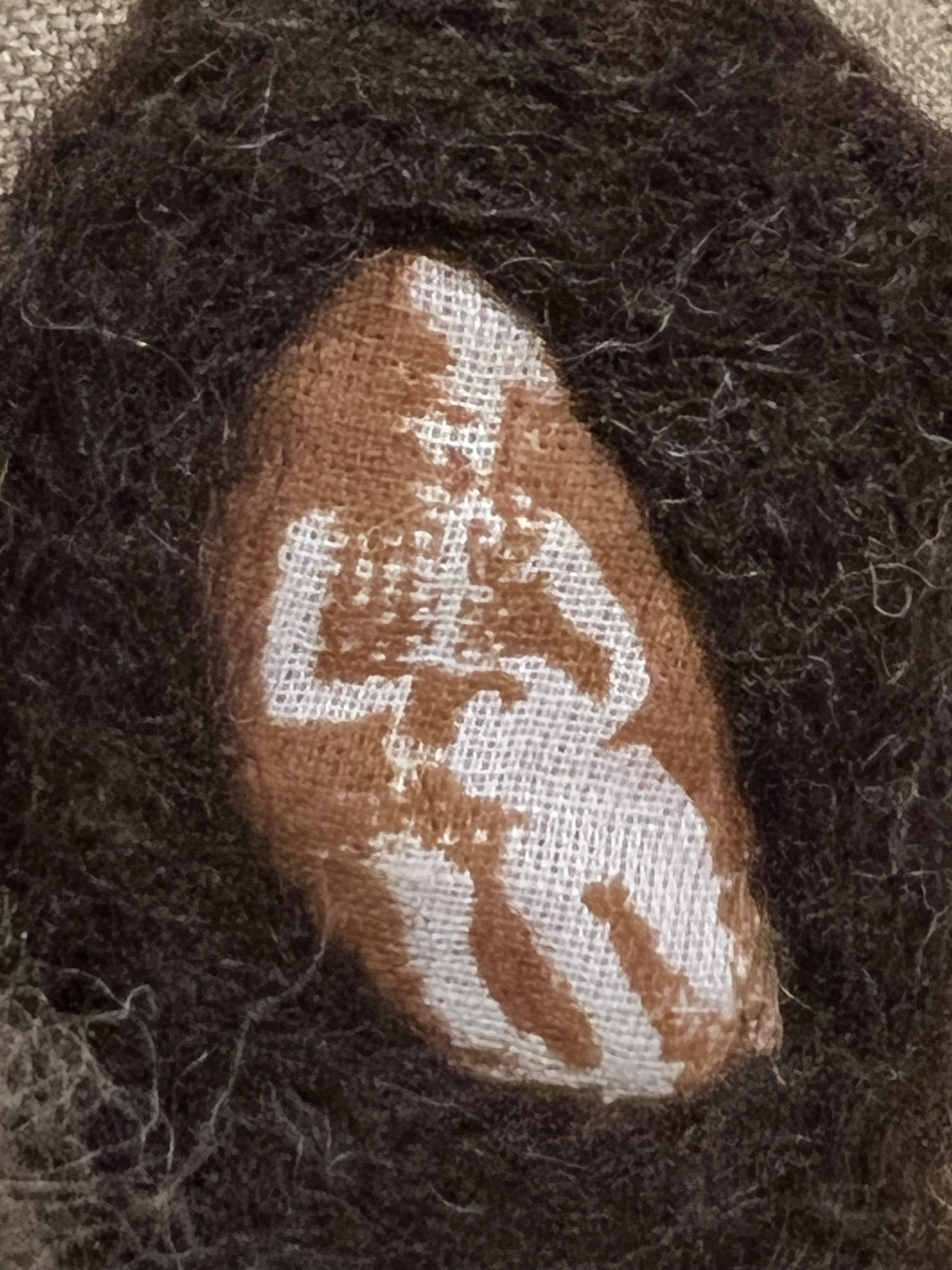
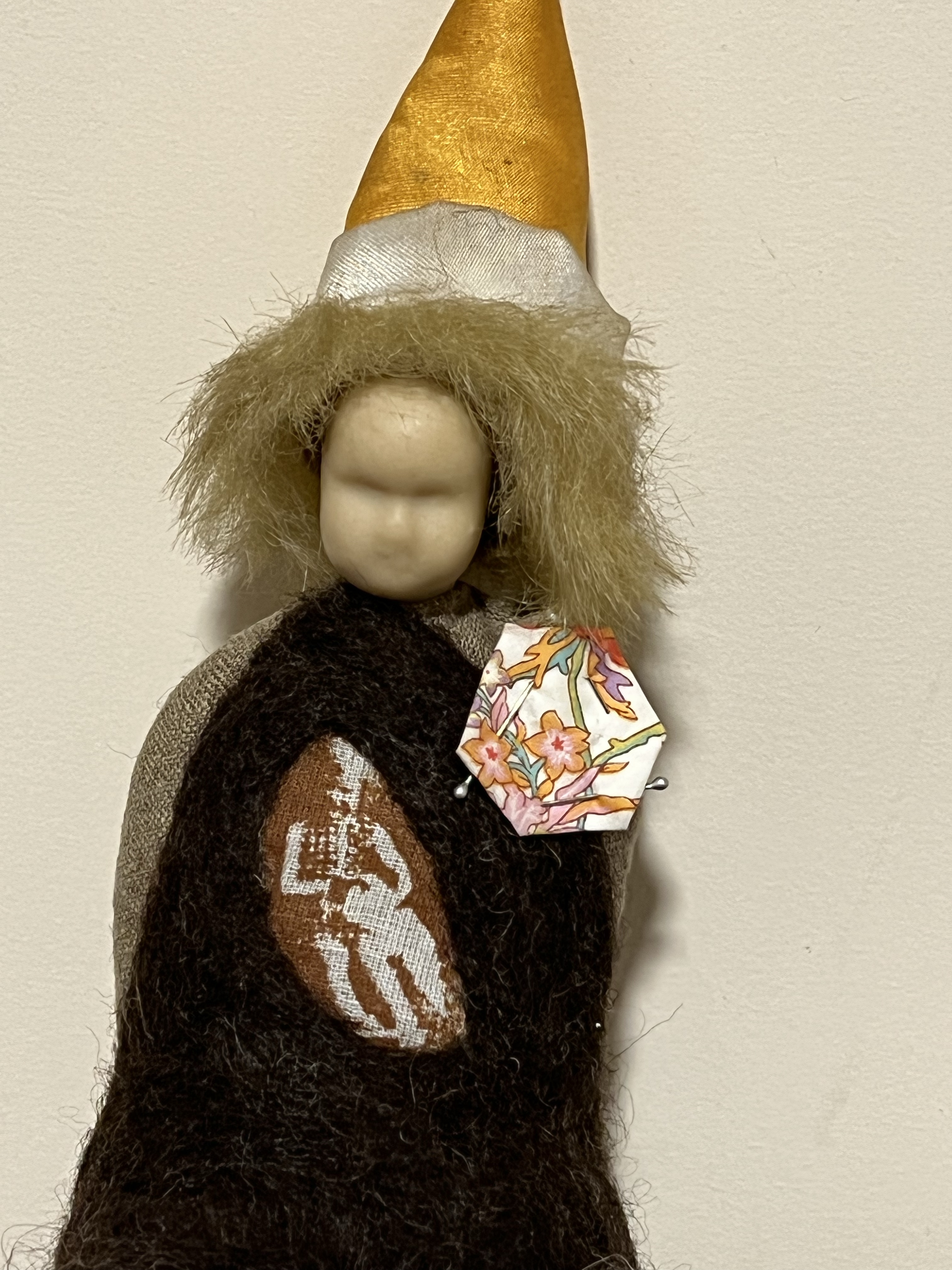

My body of work consists of mixed media figures using textile processes with these as a response to my first task in this module where I looked at a paper about a textile exhibition, working with textiles as your predominant media poses several struggles, mainly due to the hierarchy of acceptable fine art material and as such is yet to gain a similar status, possibly also due to the problems one may pose for a curator when it comes to display. Cloth is however a powerful material, despite its connection to domestic sphere, cloth is with us from when we enter the world and shrouds us when we leave with all of that cloth in between.
Through this module I have joined several online forums, what I have experienced is that an Artist who uses cloth, does so as a medium to narrate their vision, others use textile for the textiles sake? I am happy to debate this.
Poster Presentation
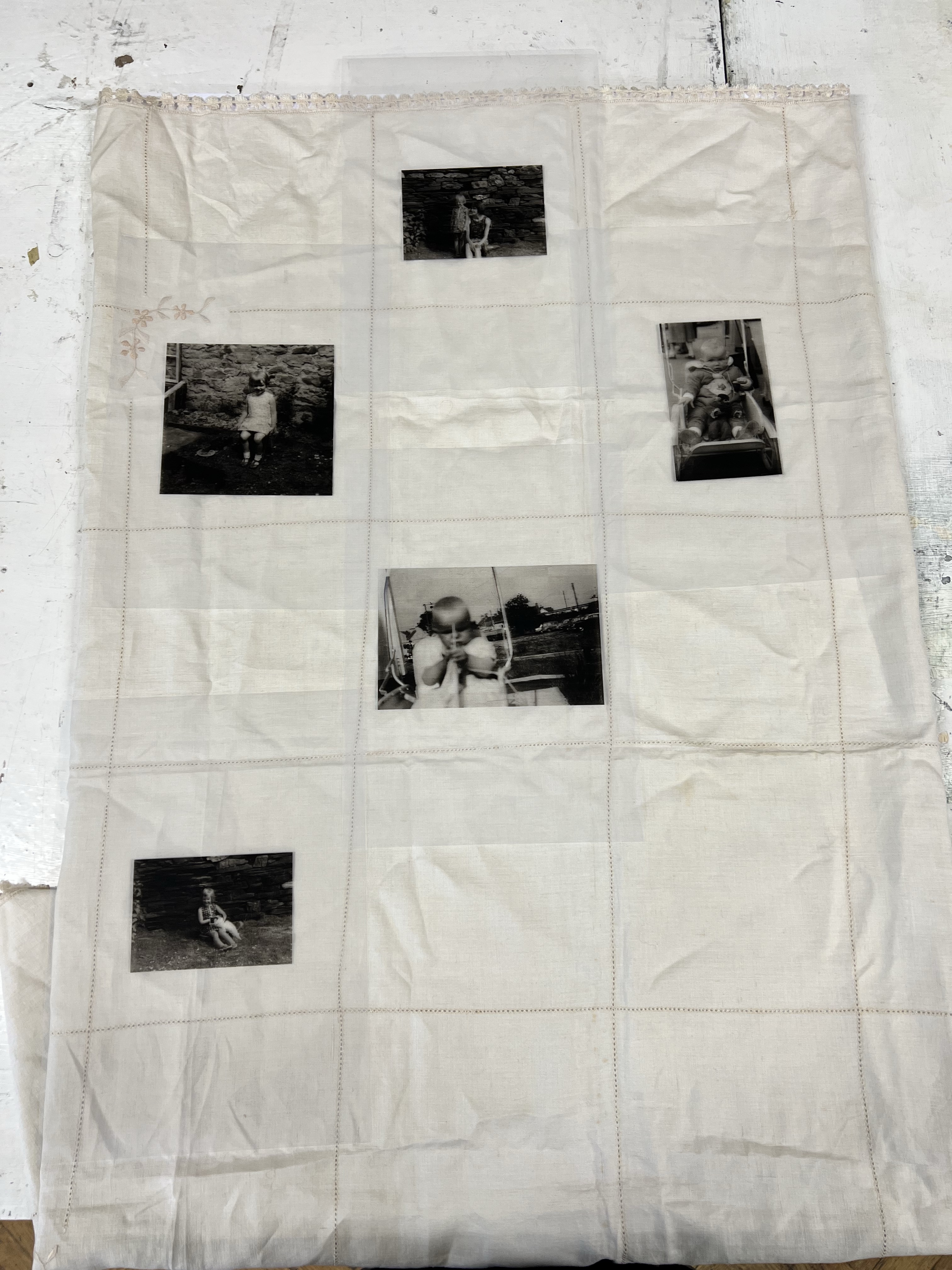
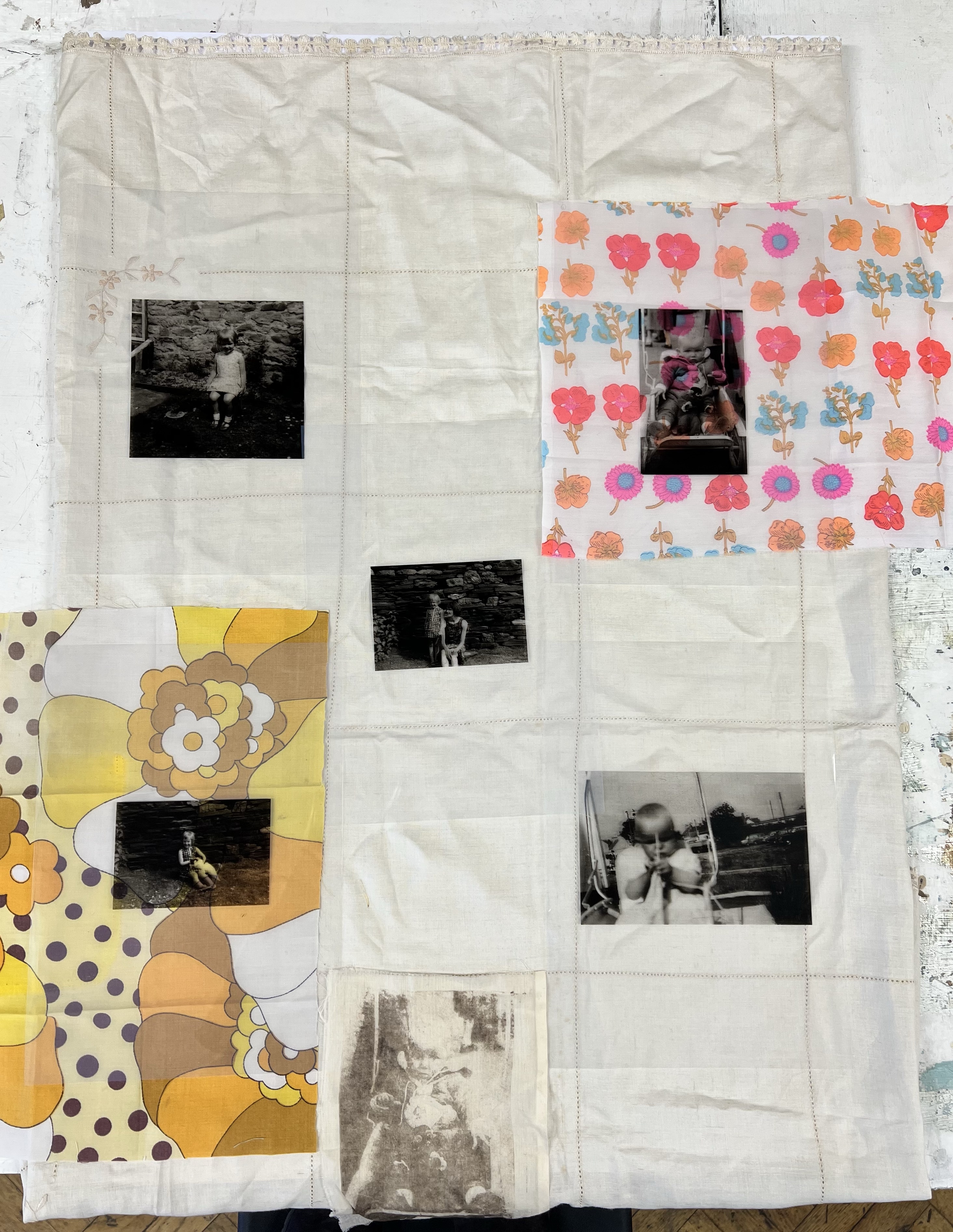
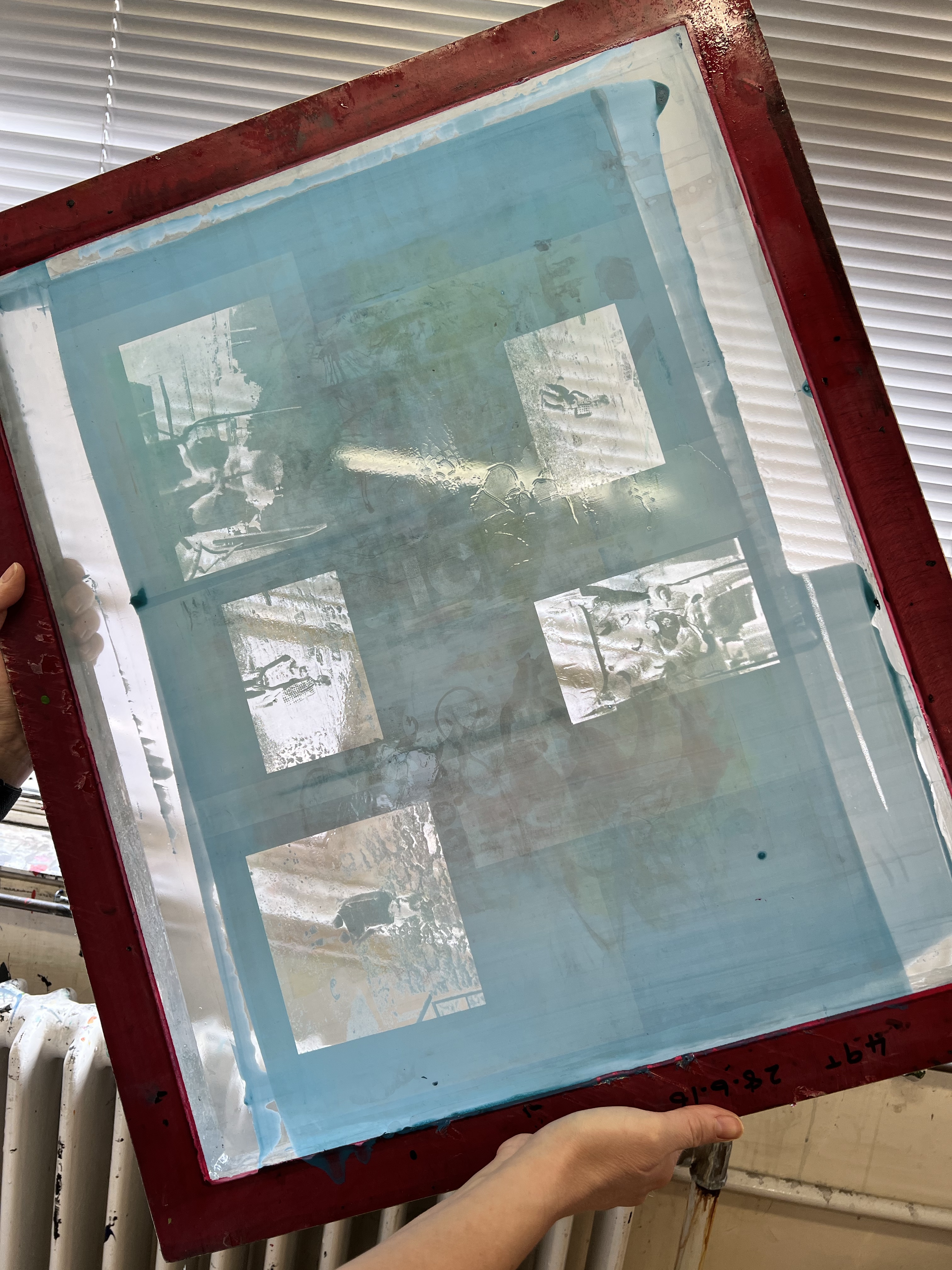
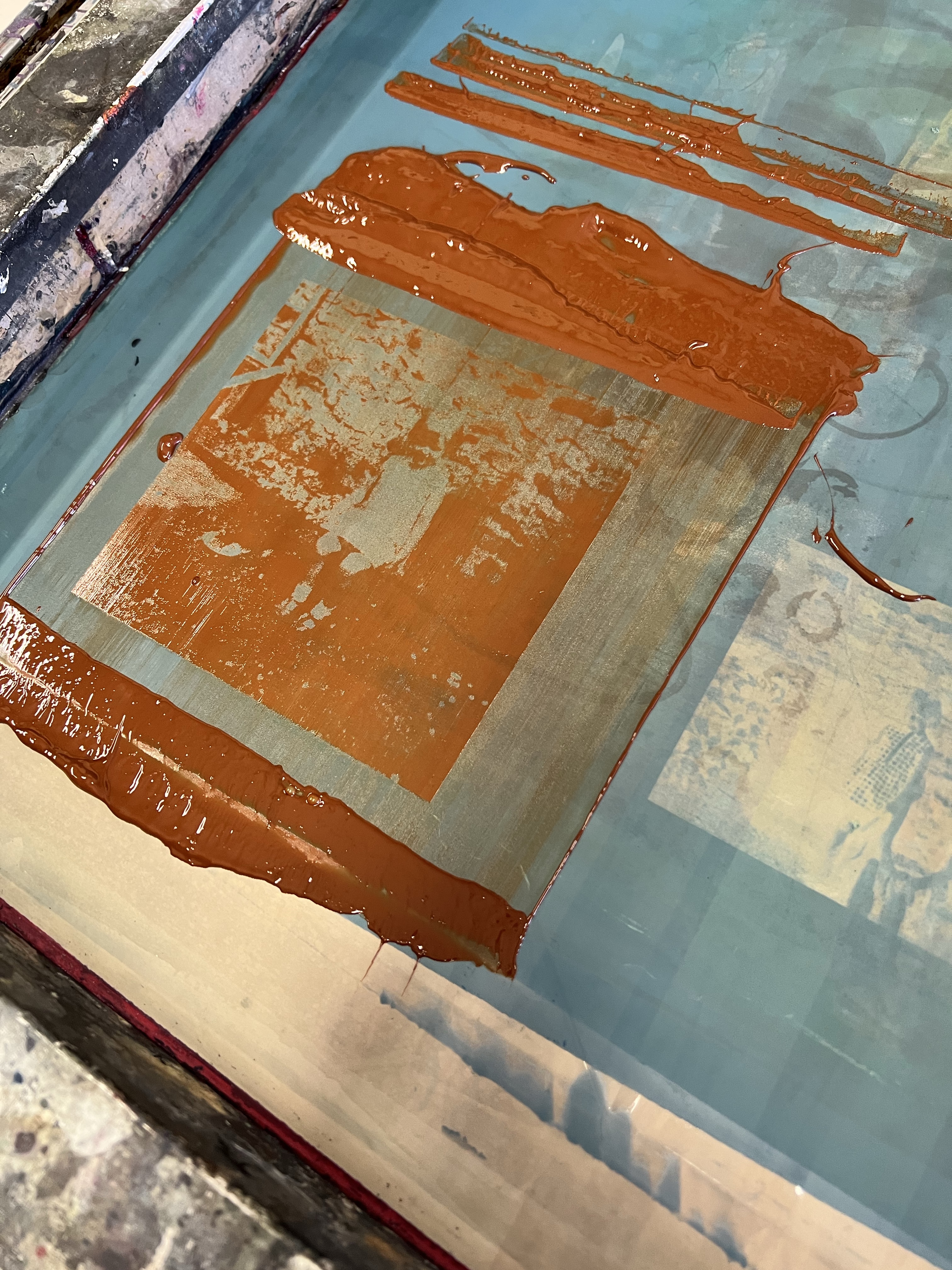
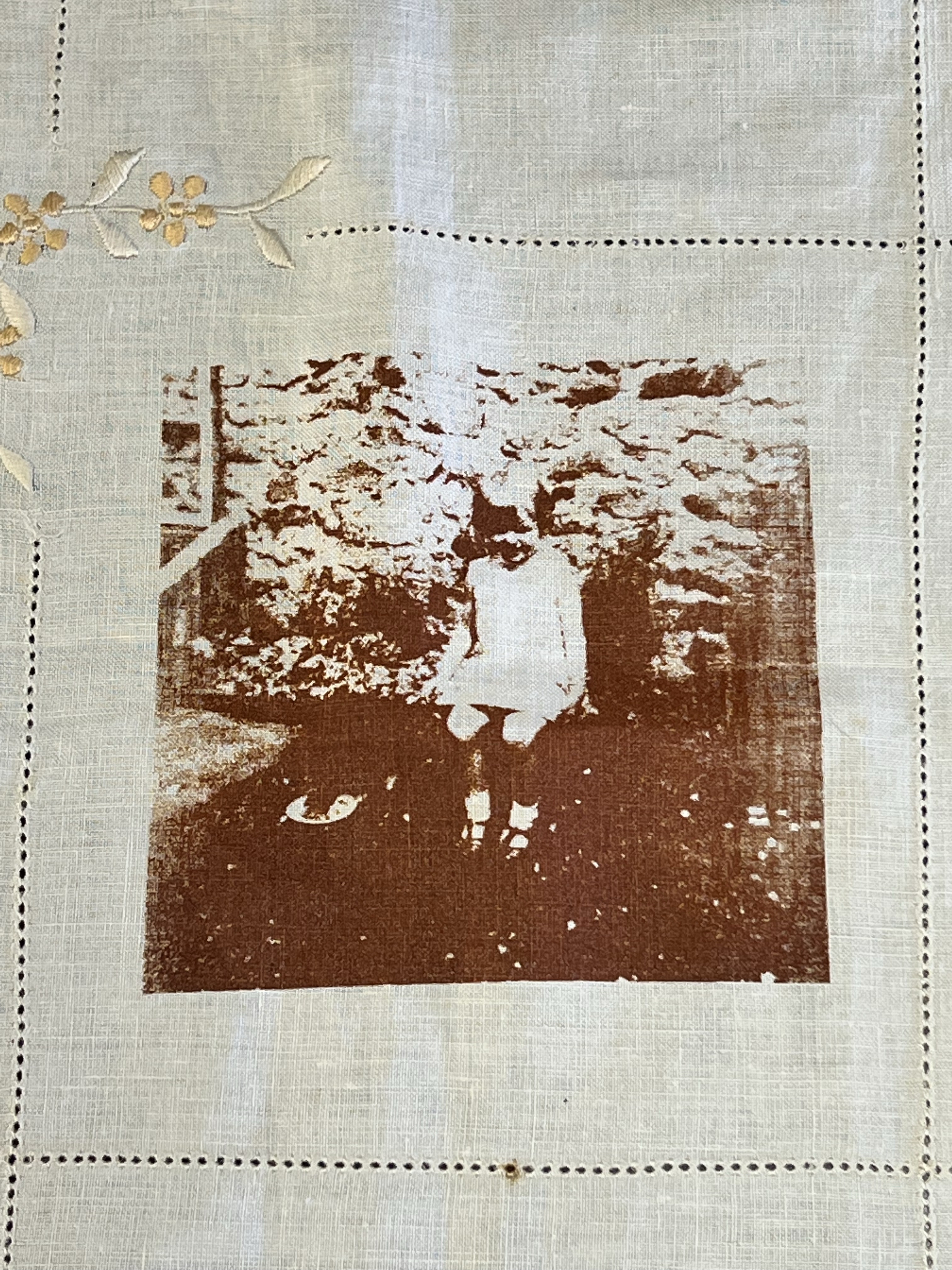
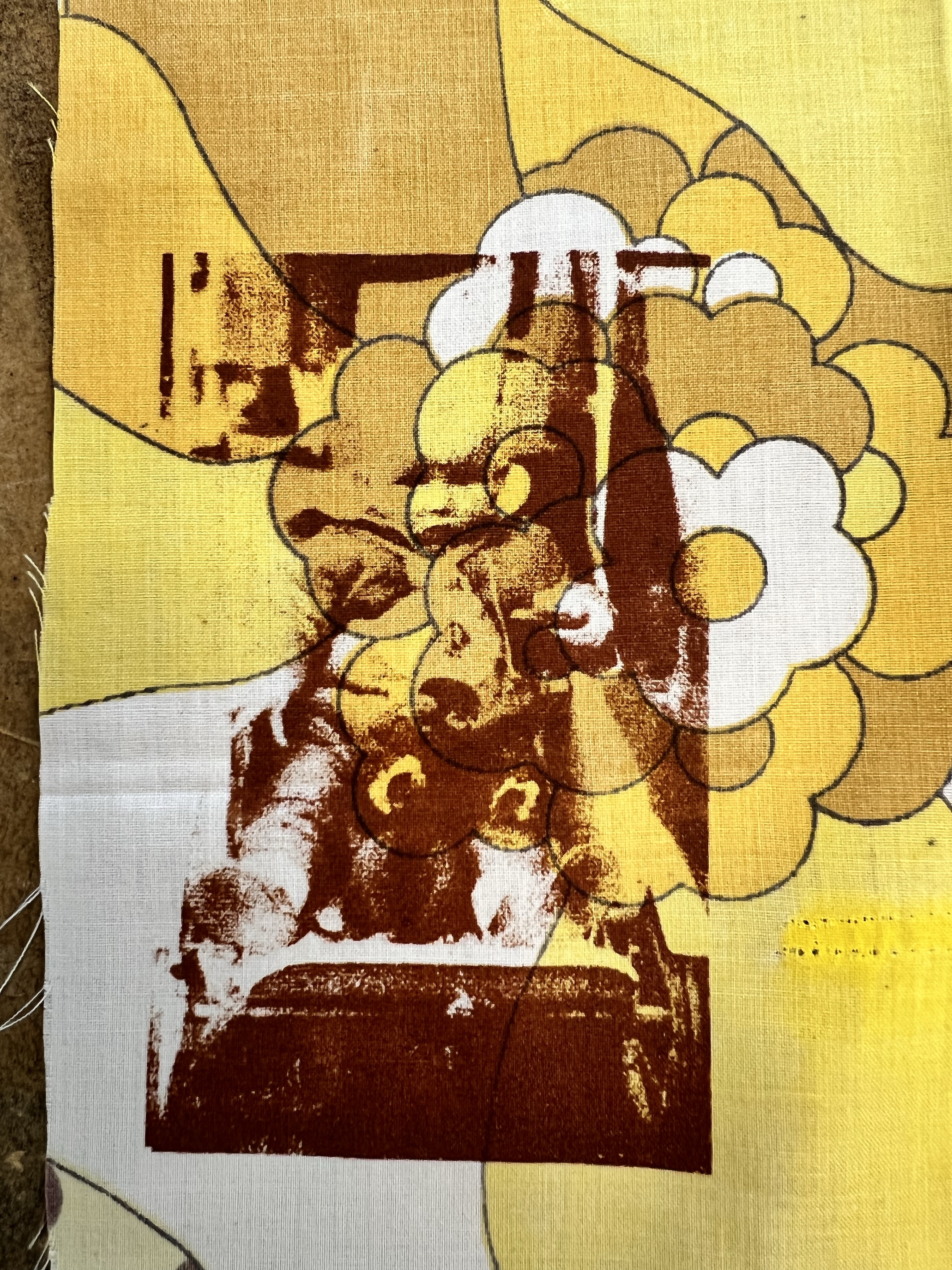
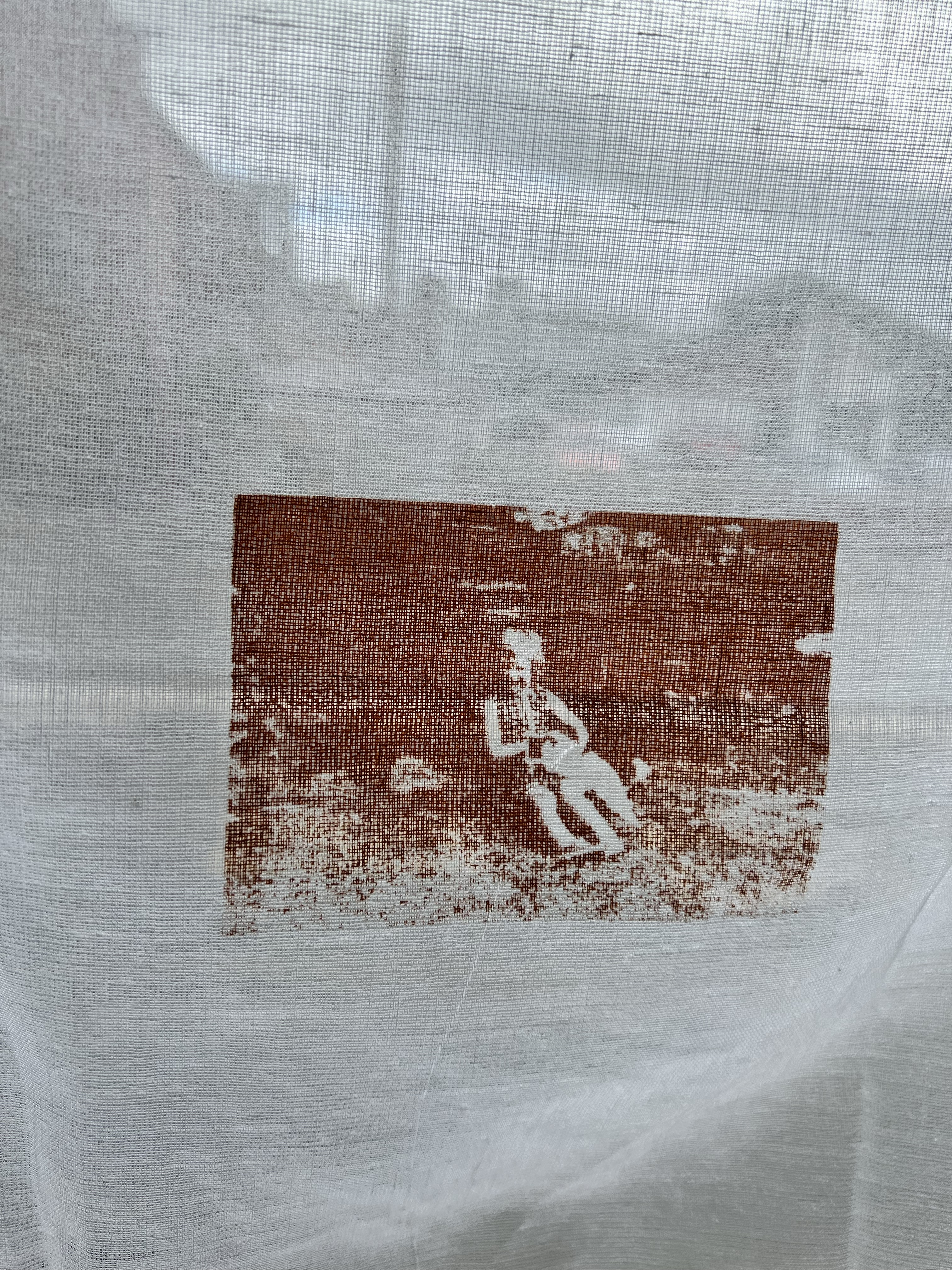
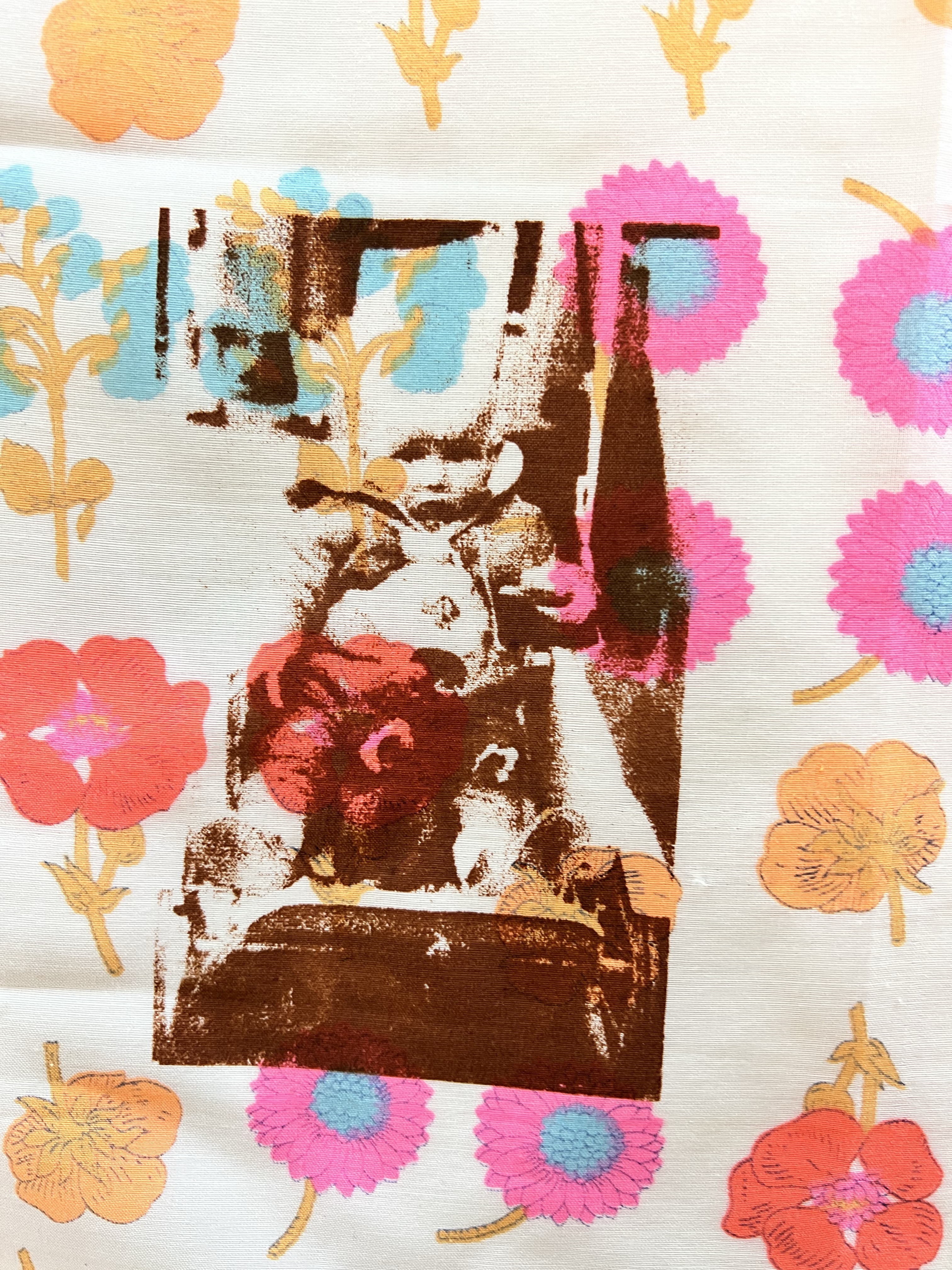
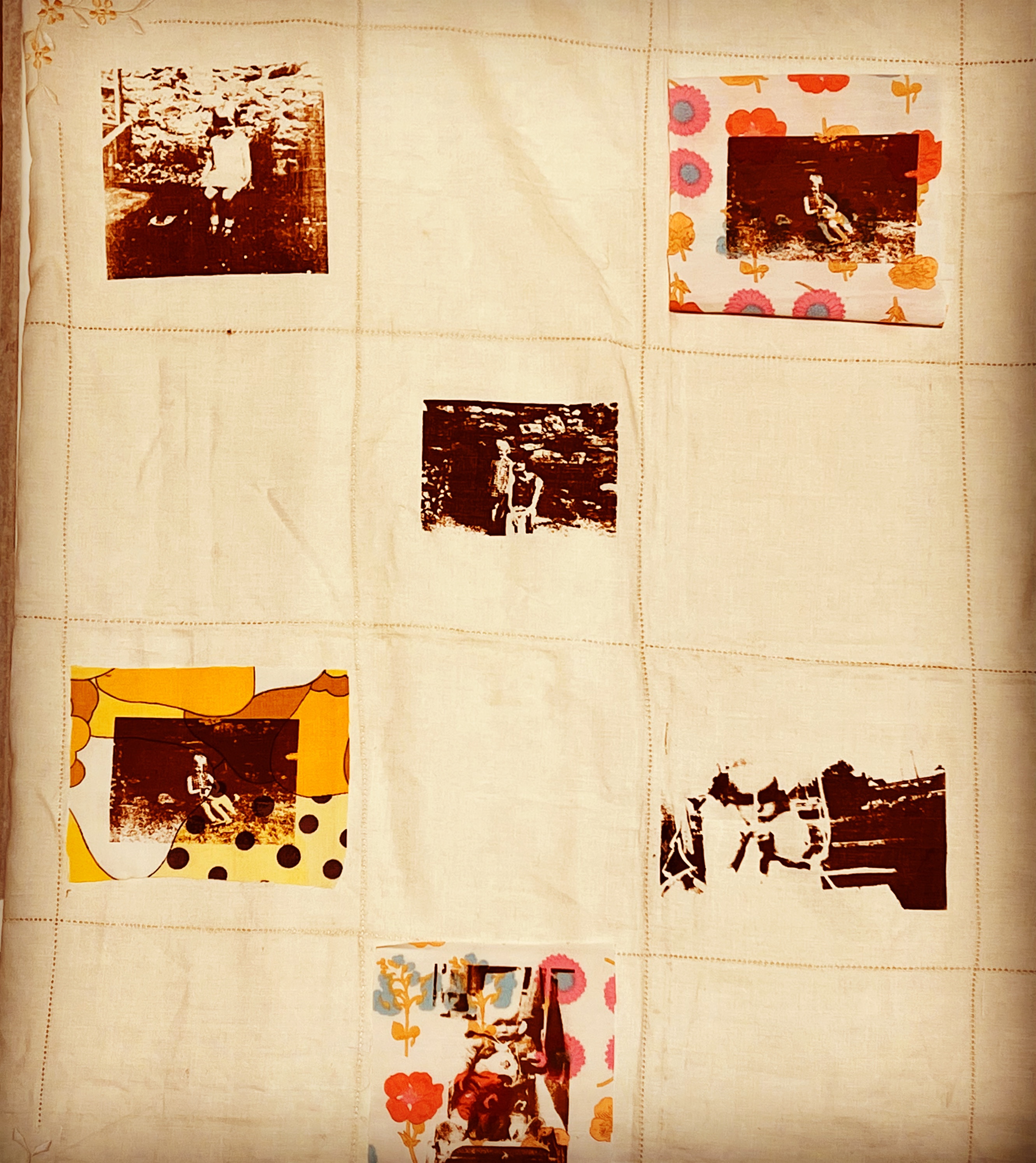

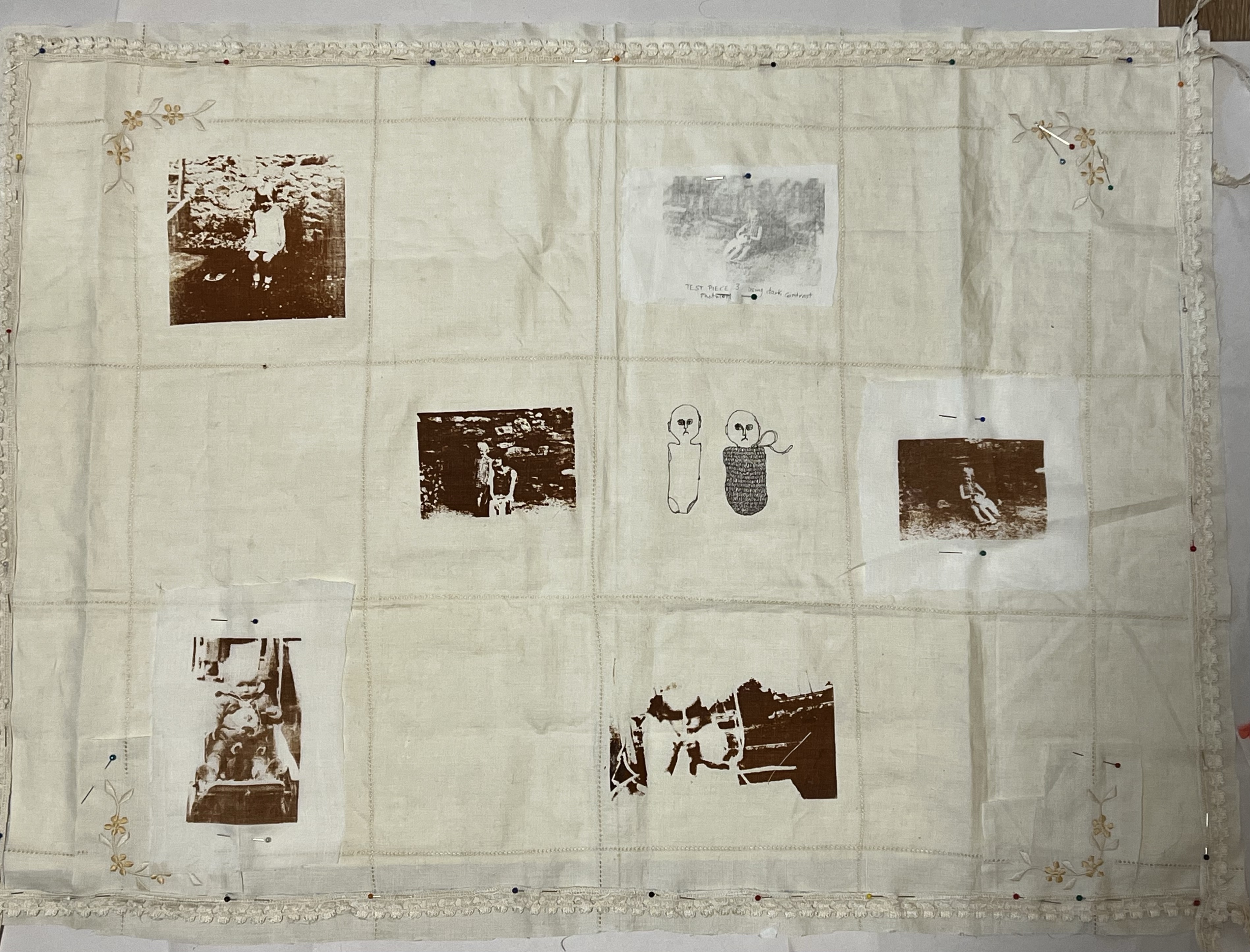
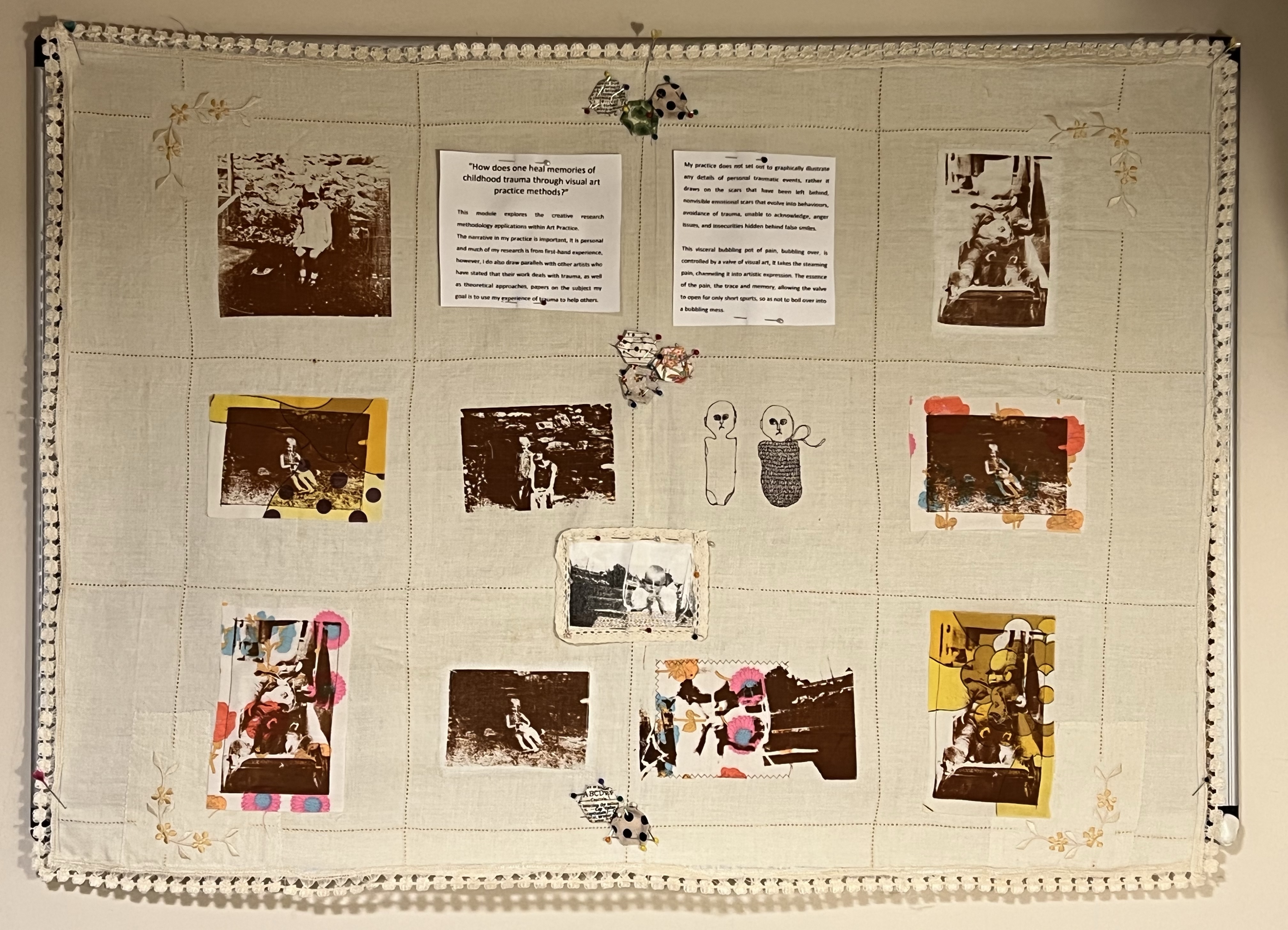
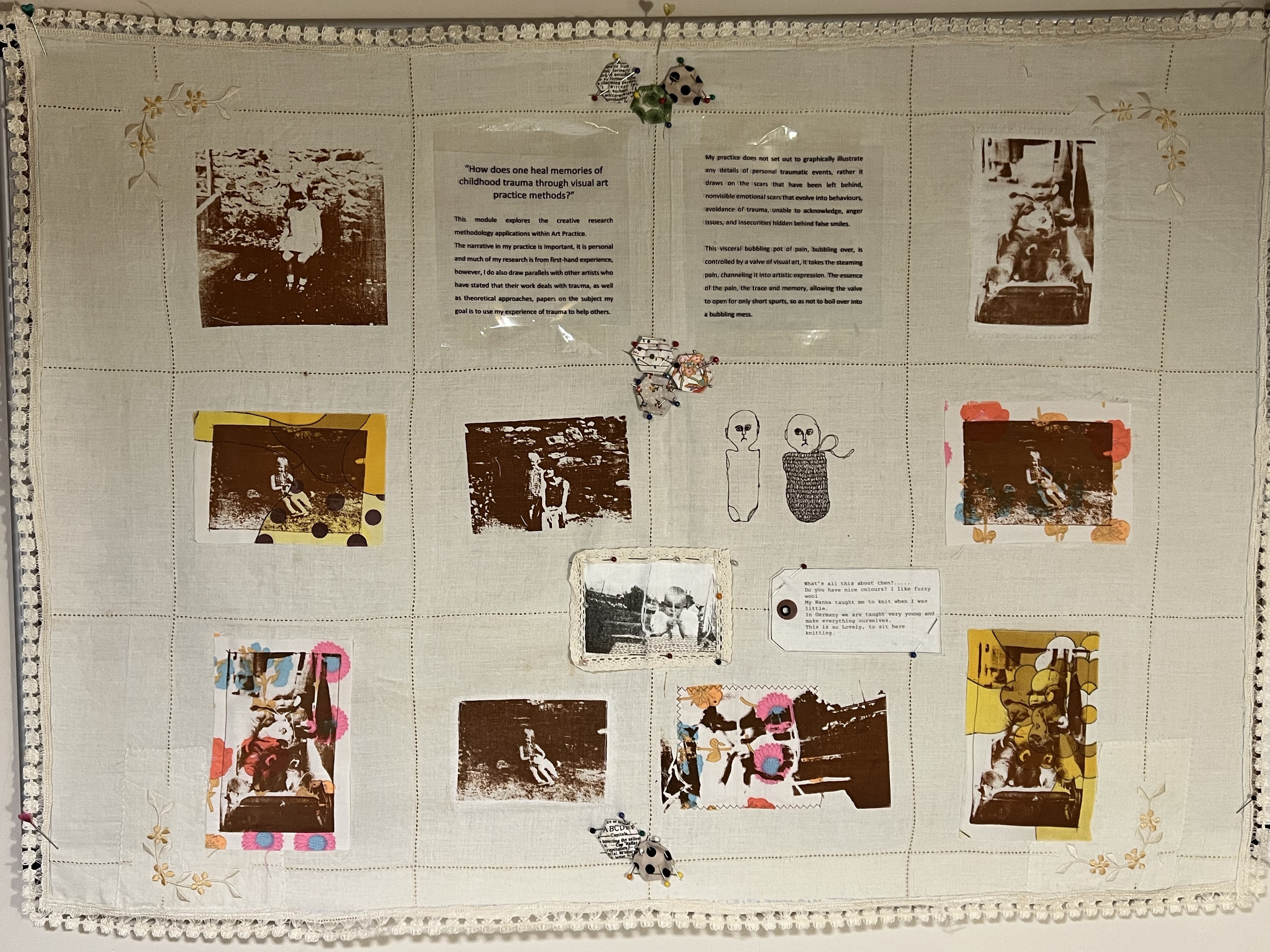


I had a bit of a nightmare with my poster, I felt it was too soon in the module as I had not at that point formulated my theories and research but appreciated that waiting till the end would also have been too much. Although I did not feel ready, I was very glad that I went through the process of presenting and the feedback I received was invaluable to take my research forward.
It worked for me to do it at the end, I needed to have my research at this point to be able to articulate what went on the poster.
Moulds / Heads
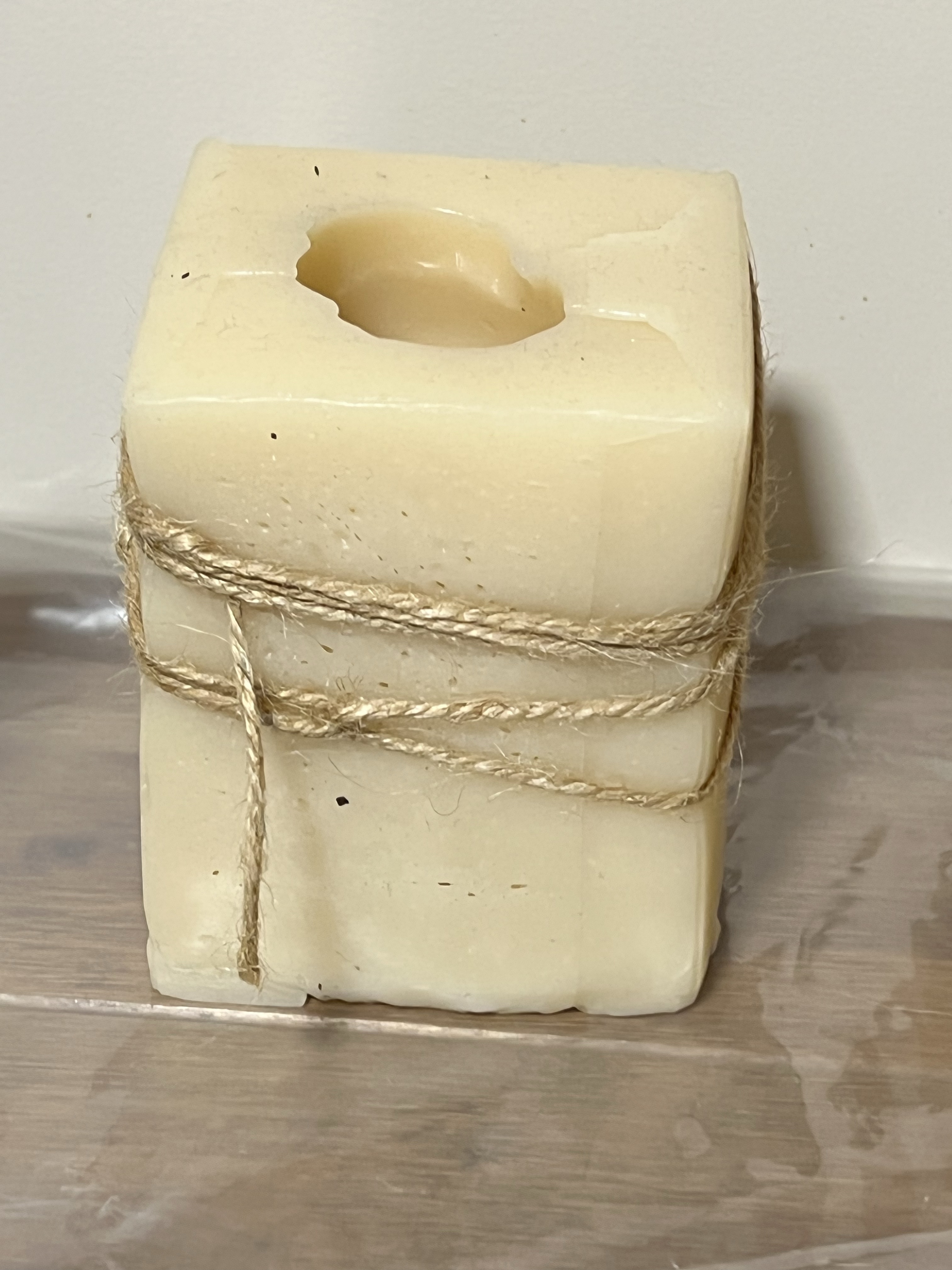
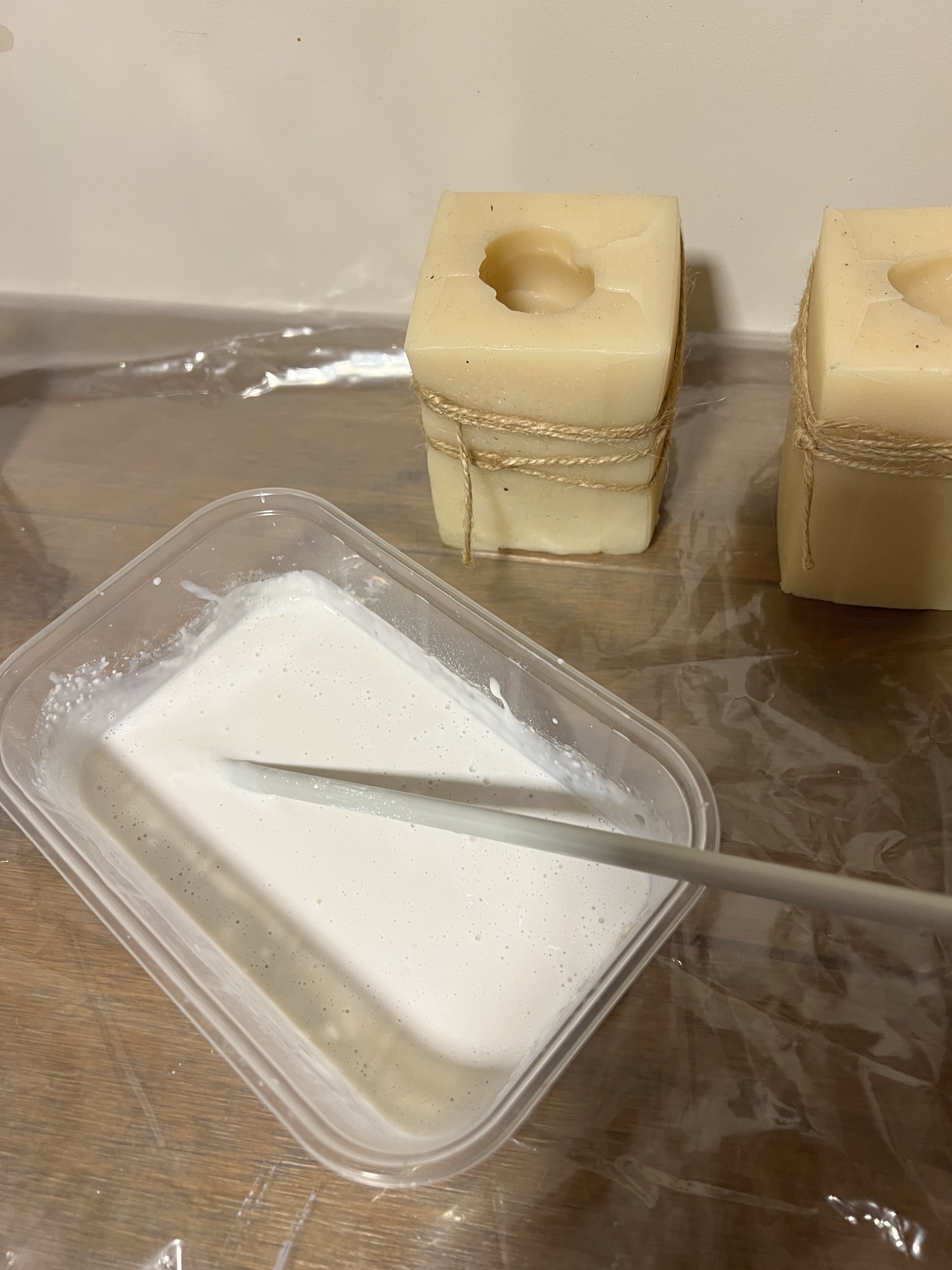
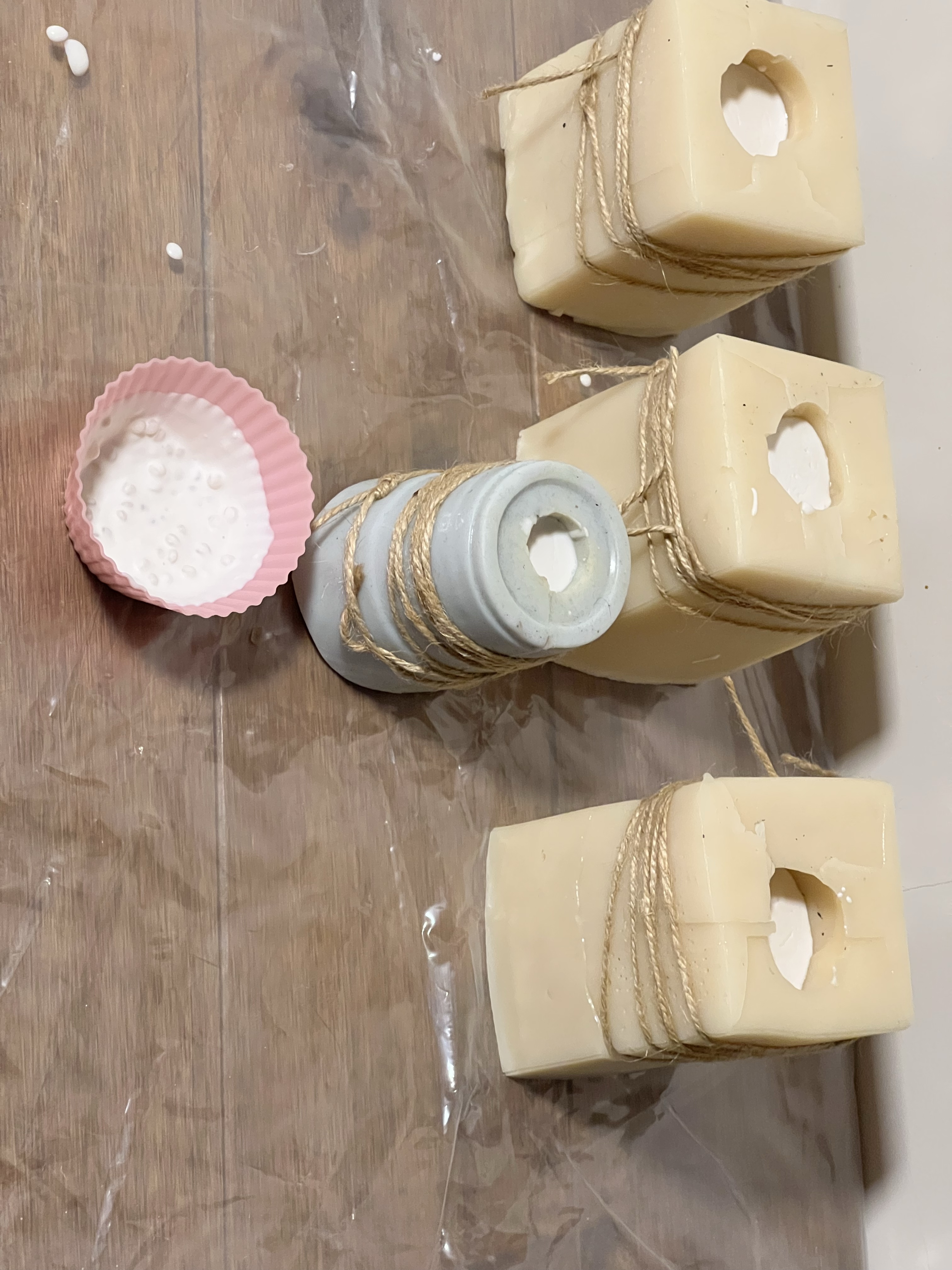
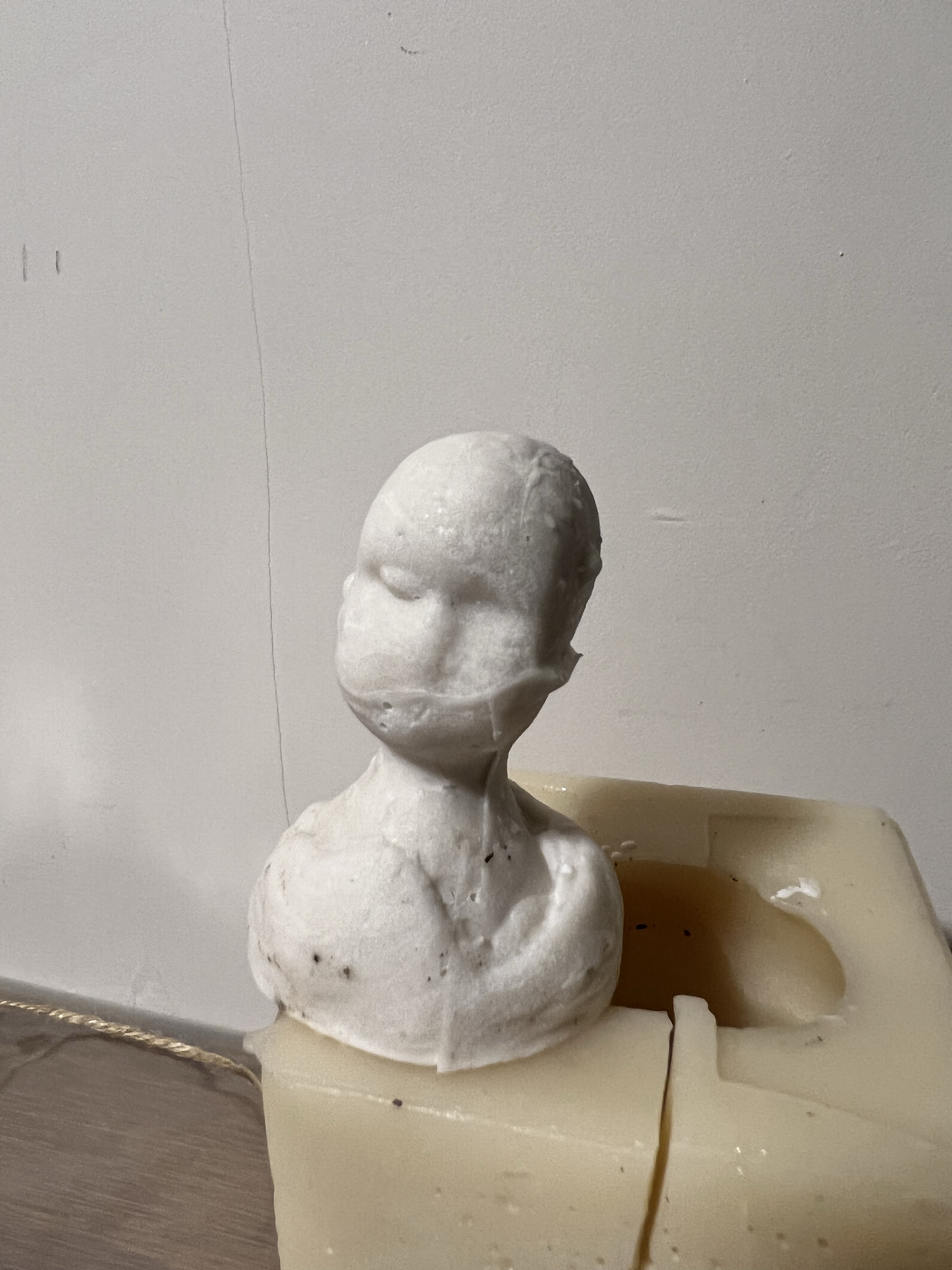

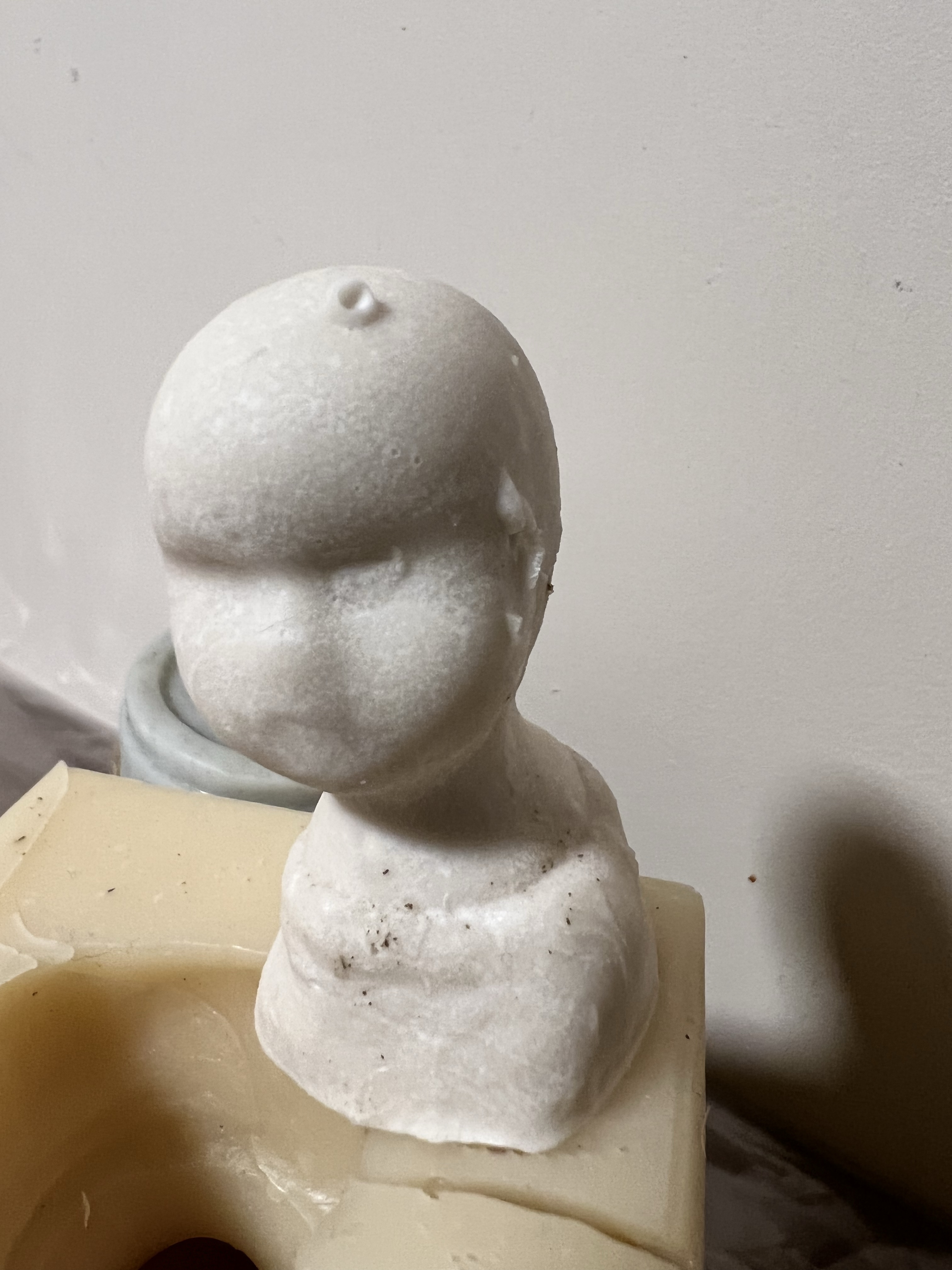
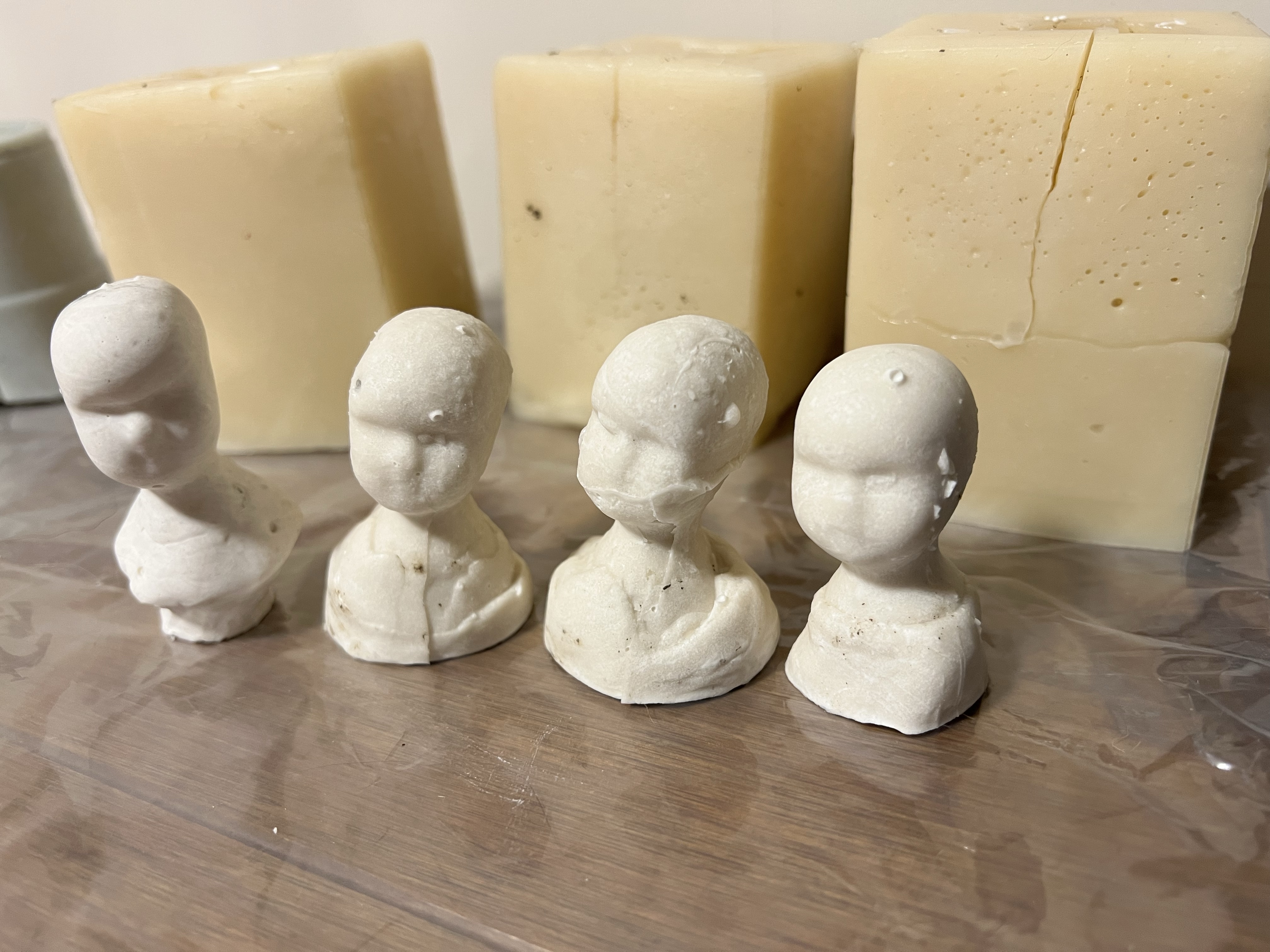
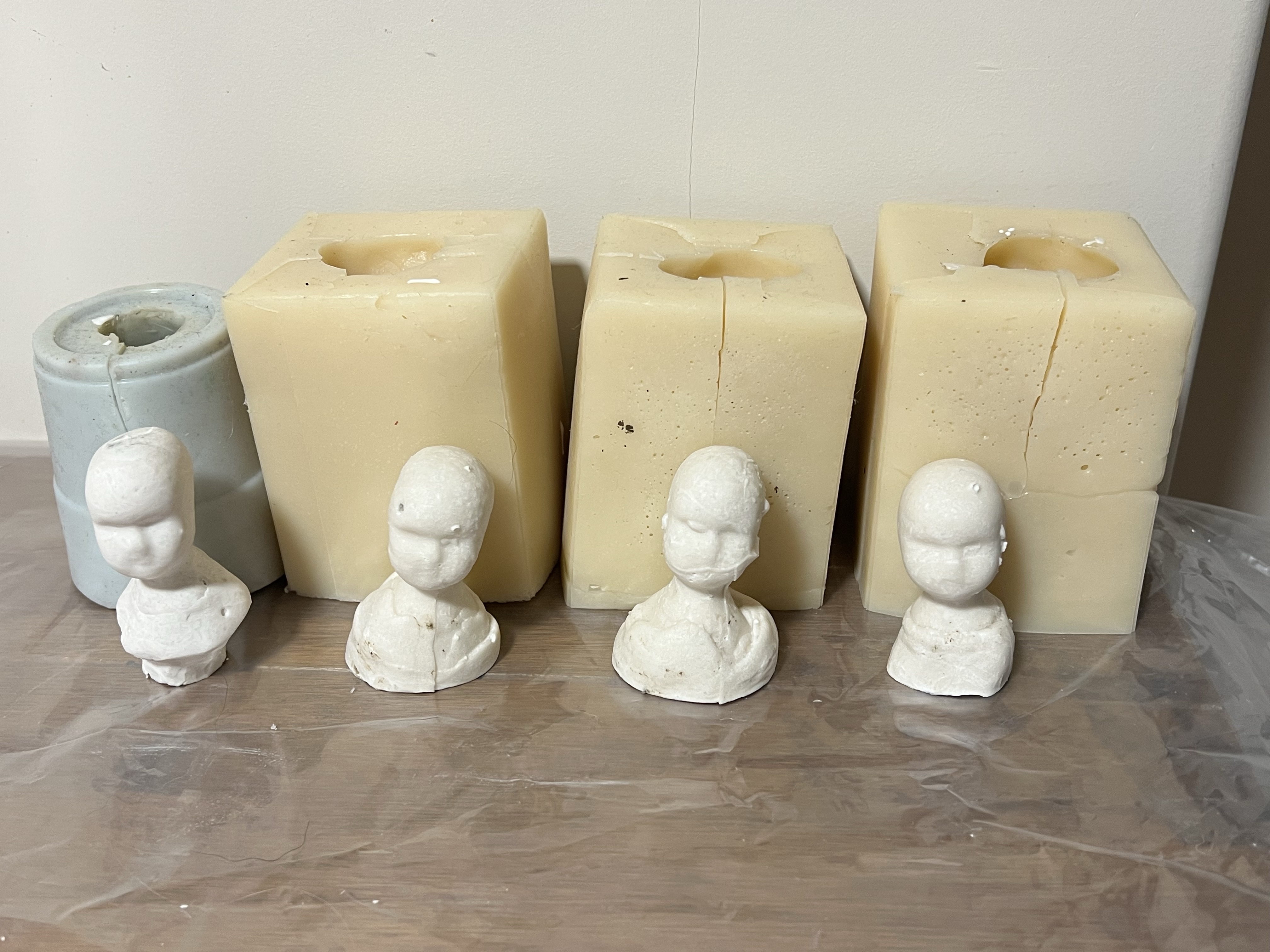

I had a head made for me by a fellow artist a long time ago and I wanted to take this knowledge through into my practice, including these in my figures.
I spent time in applied Art with a technician who took me through the basic steps of making a mould and I successfully made three moulds from ceramic heads that I already had in my collection.
I spent further time in applied arts with a jewellery technician going through the steps using jesminite which is a non toxic resin type plaster that dries to the consistency of a stone.
These are my first heads above, the imperfections lend themselves to my work the process of mould making is like printing in that you so not know what your going to end up with. Taking this work forward, I’m aiming to add to the heads then make new moulds, learning as I go, this will form part of my next module.
Printing
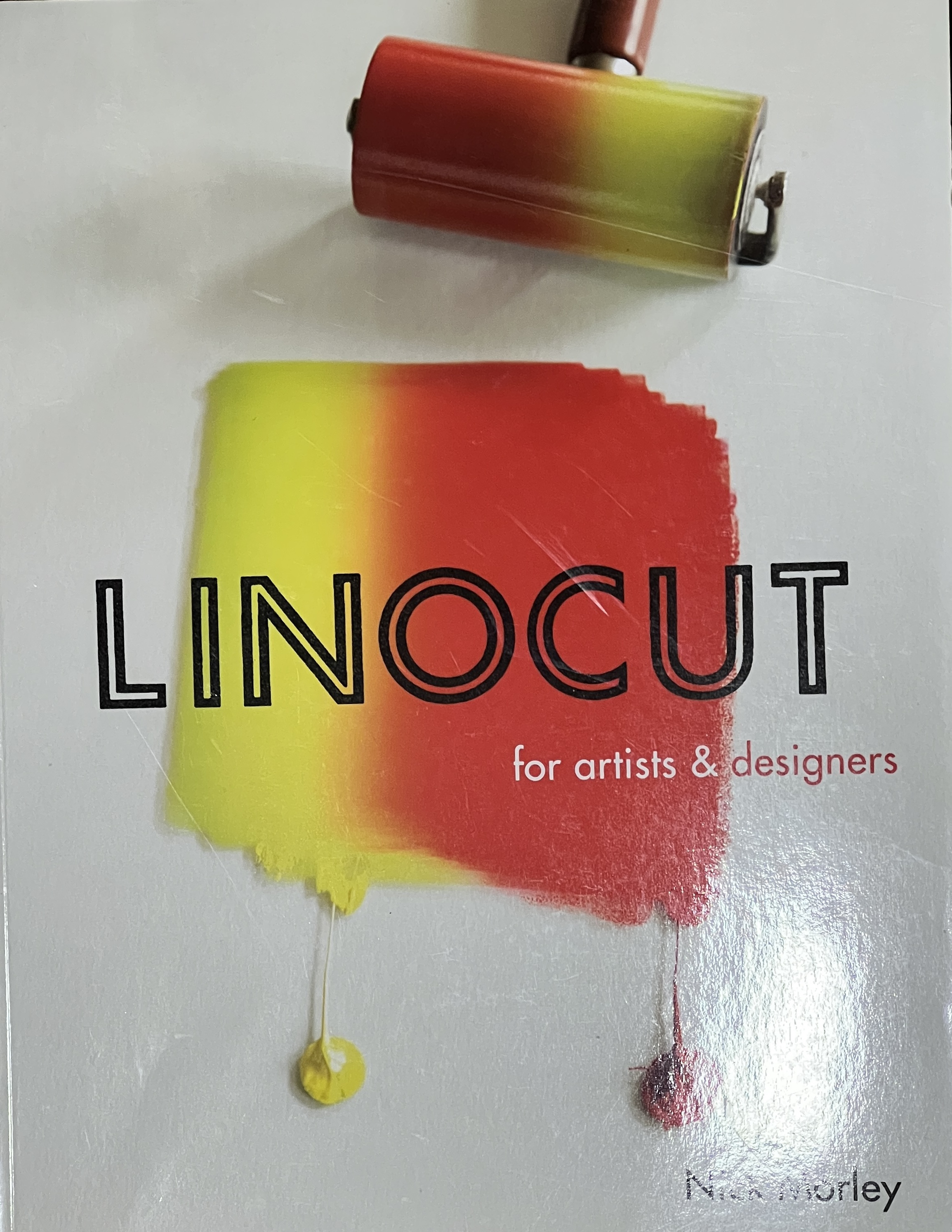
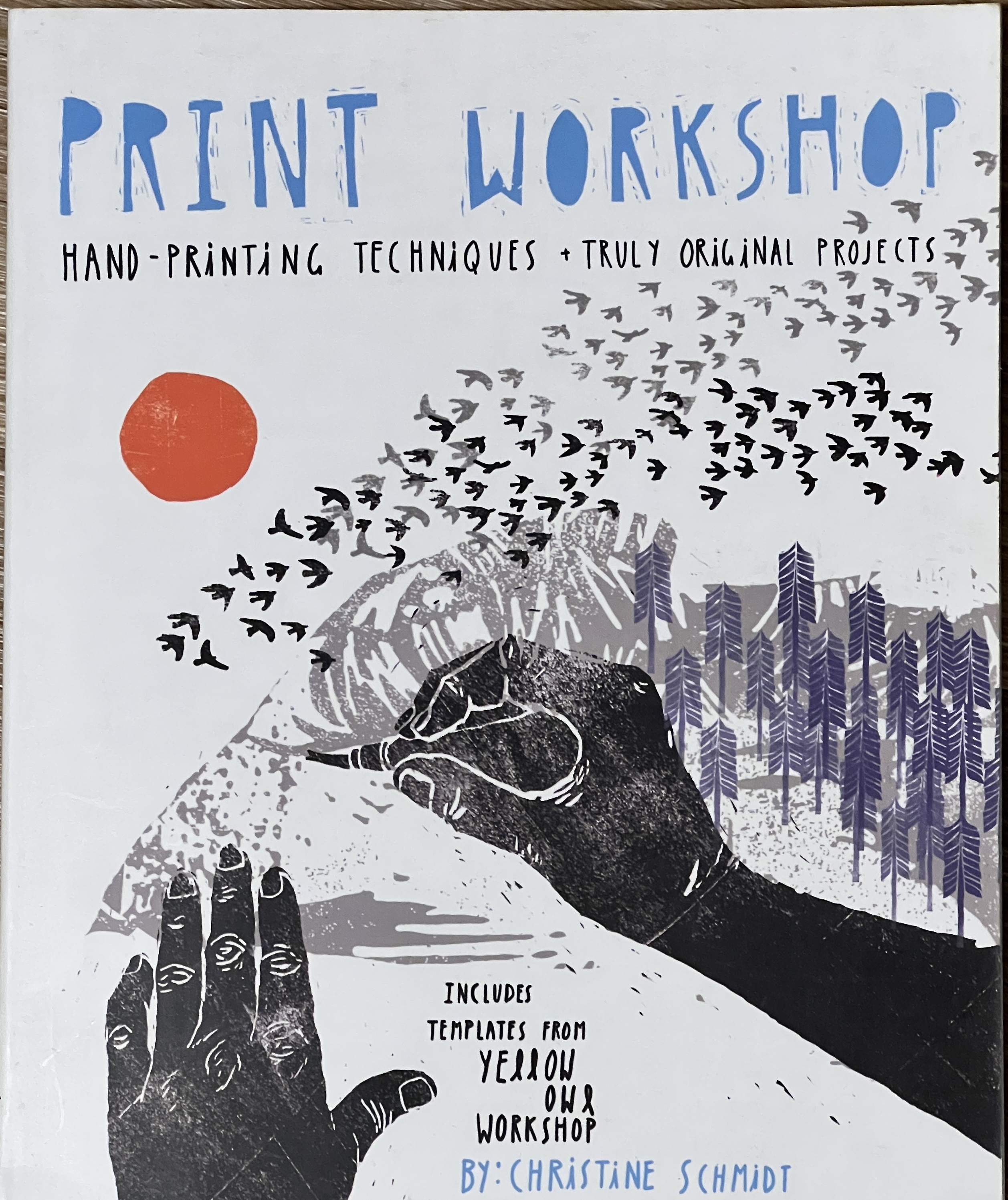
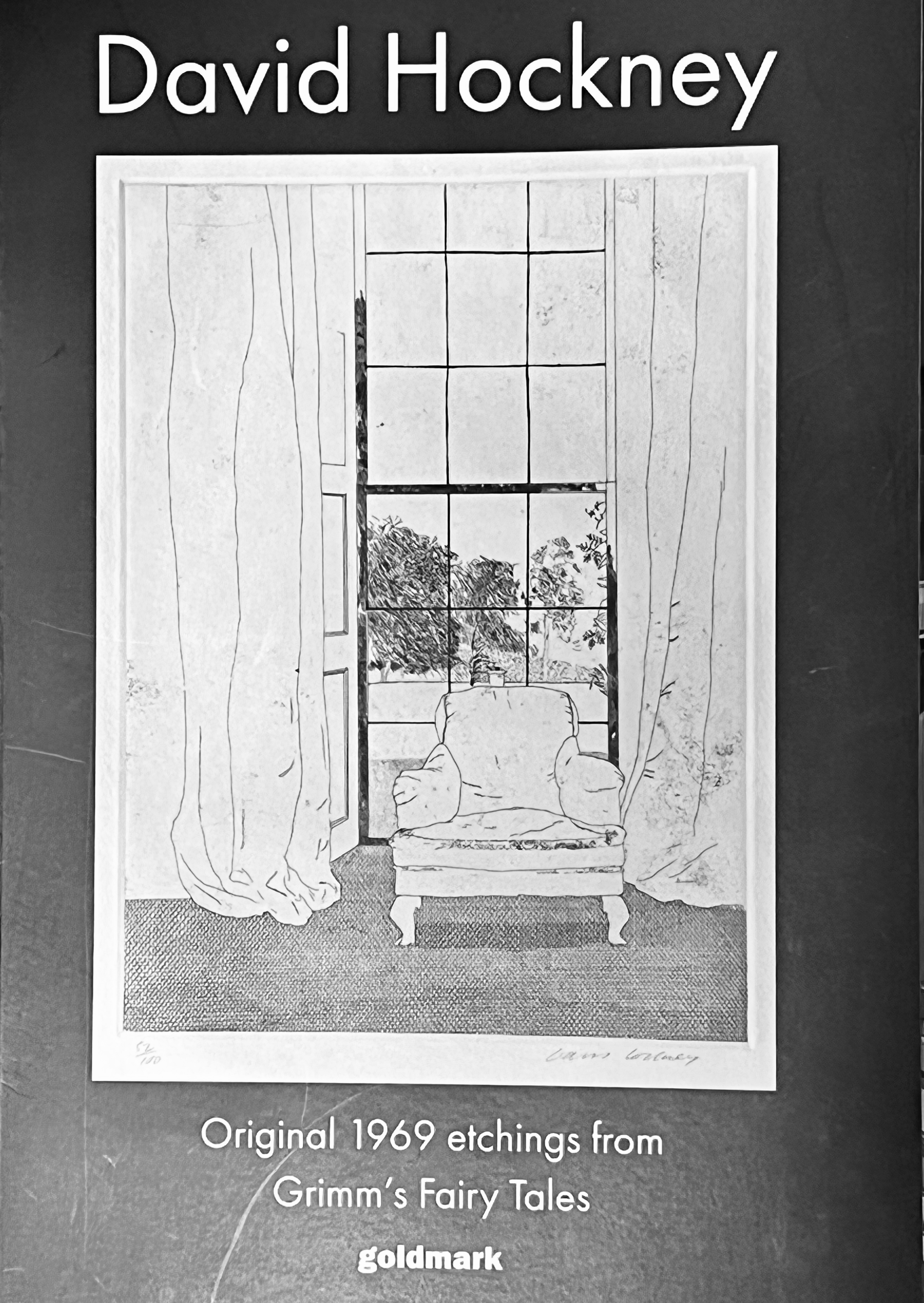
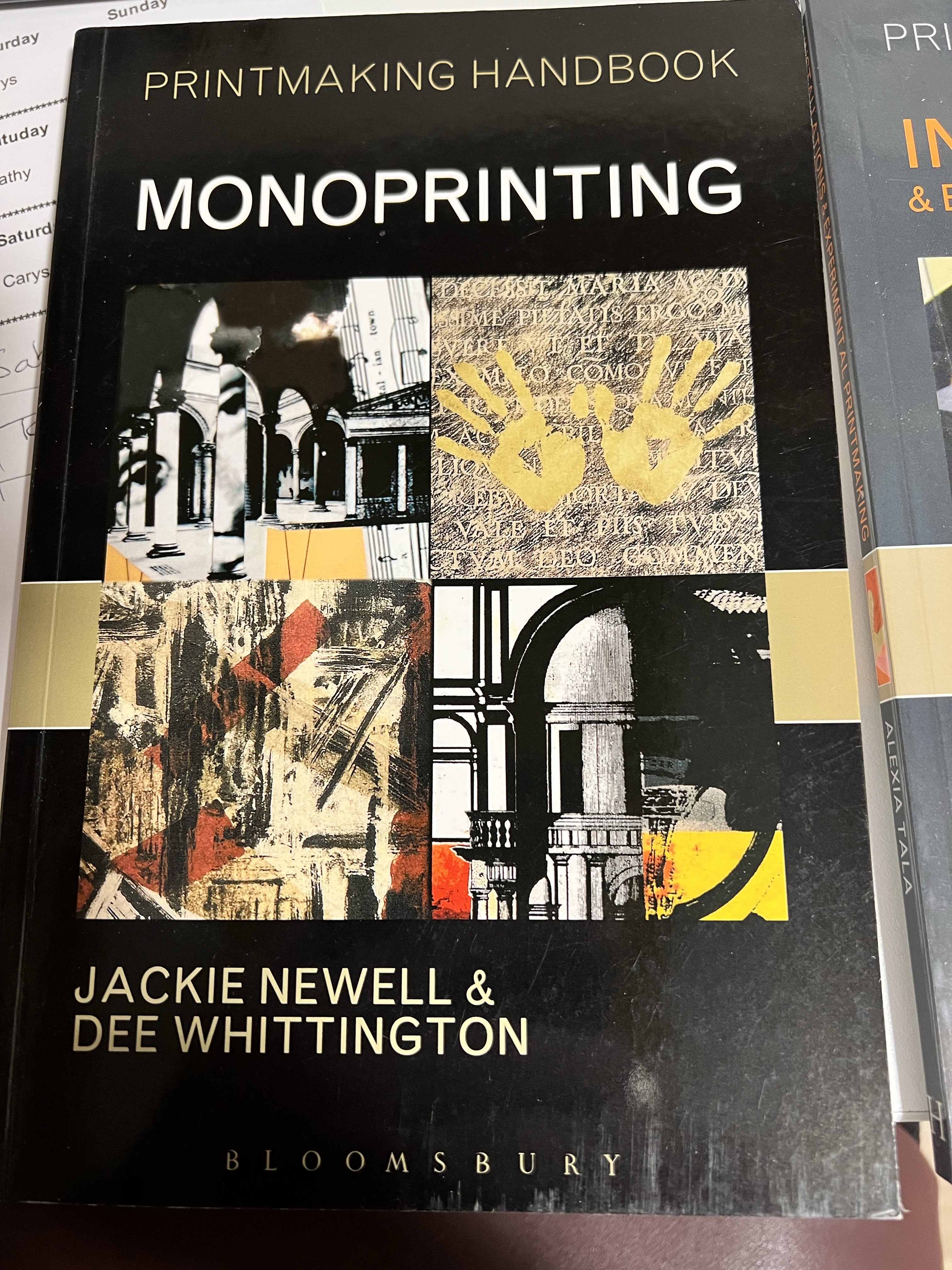
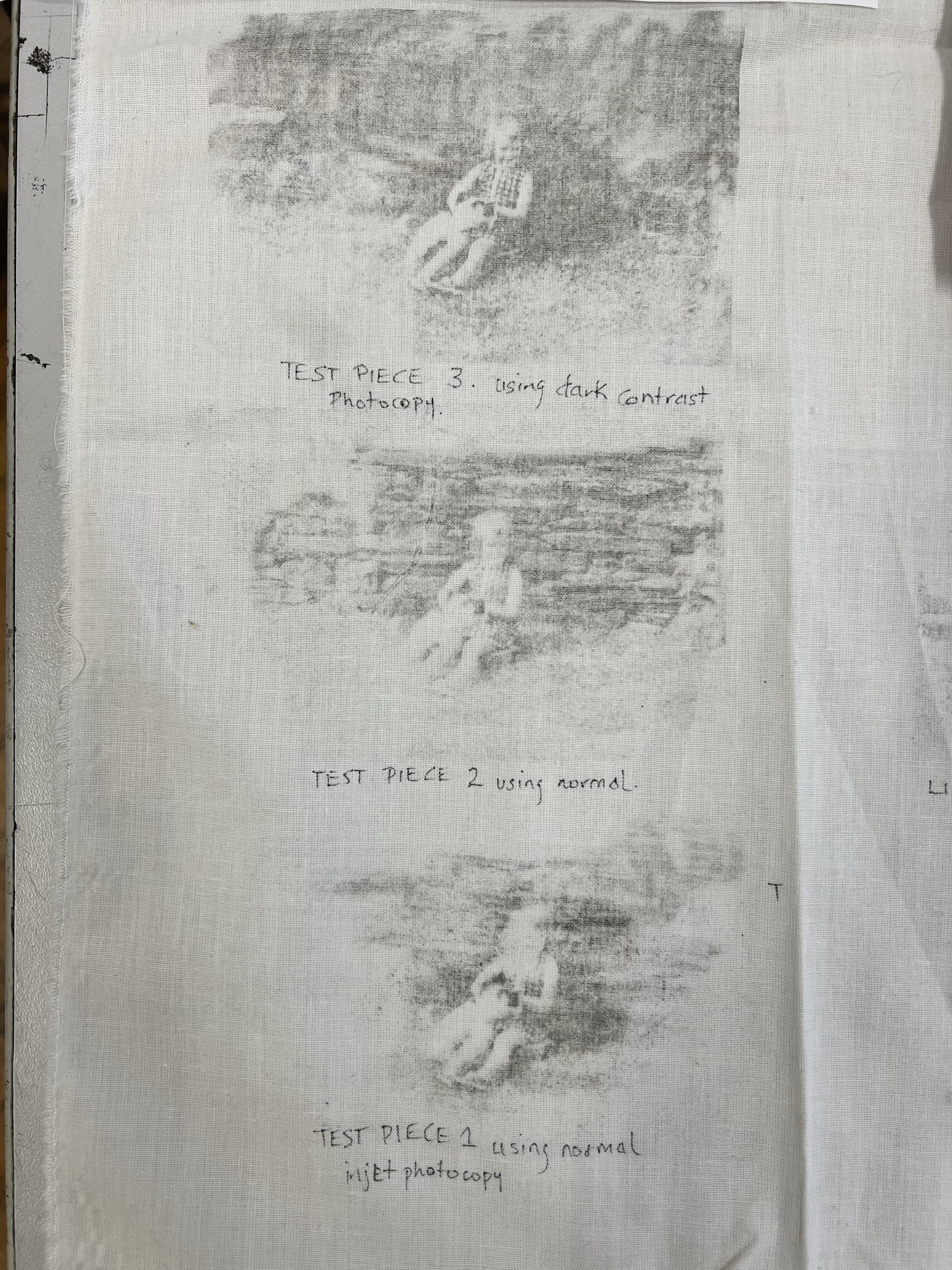
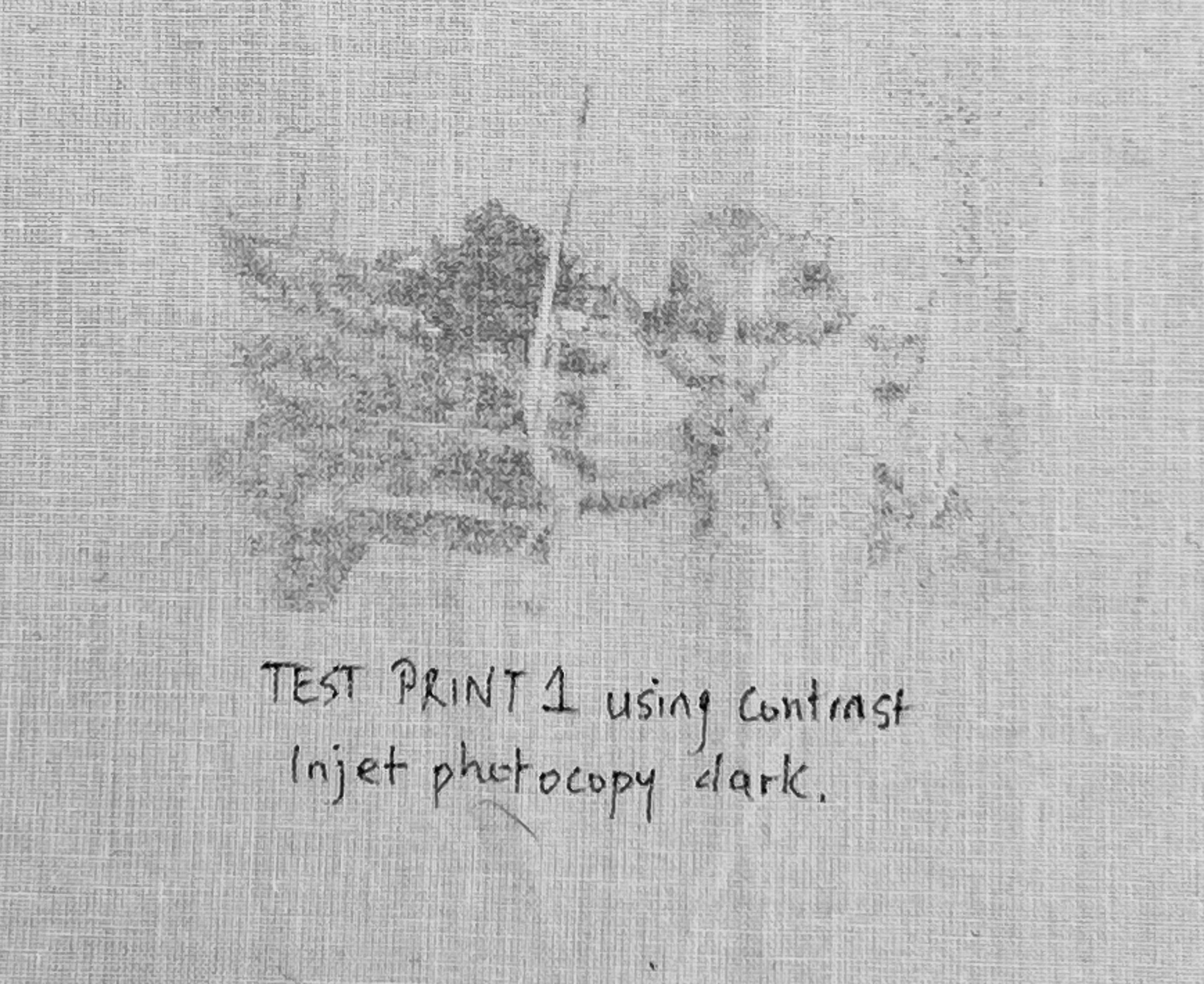
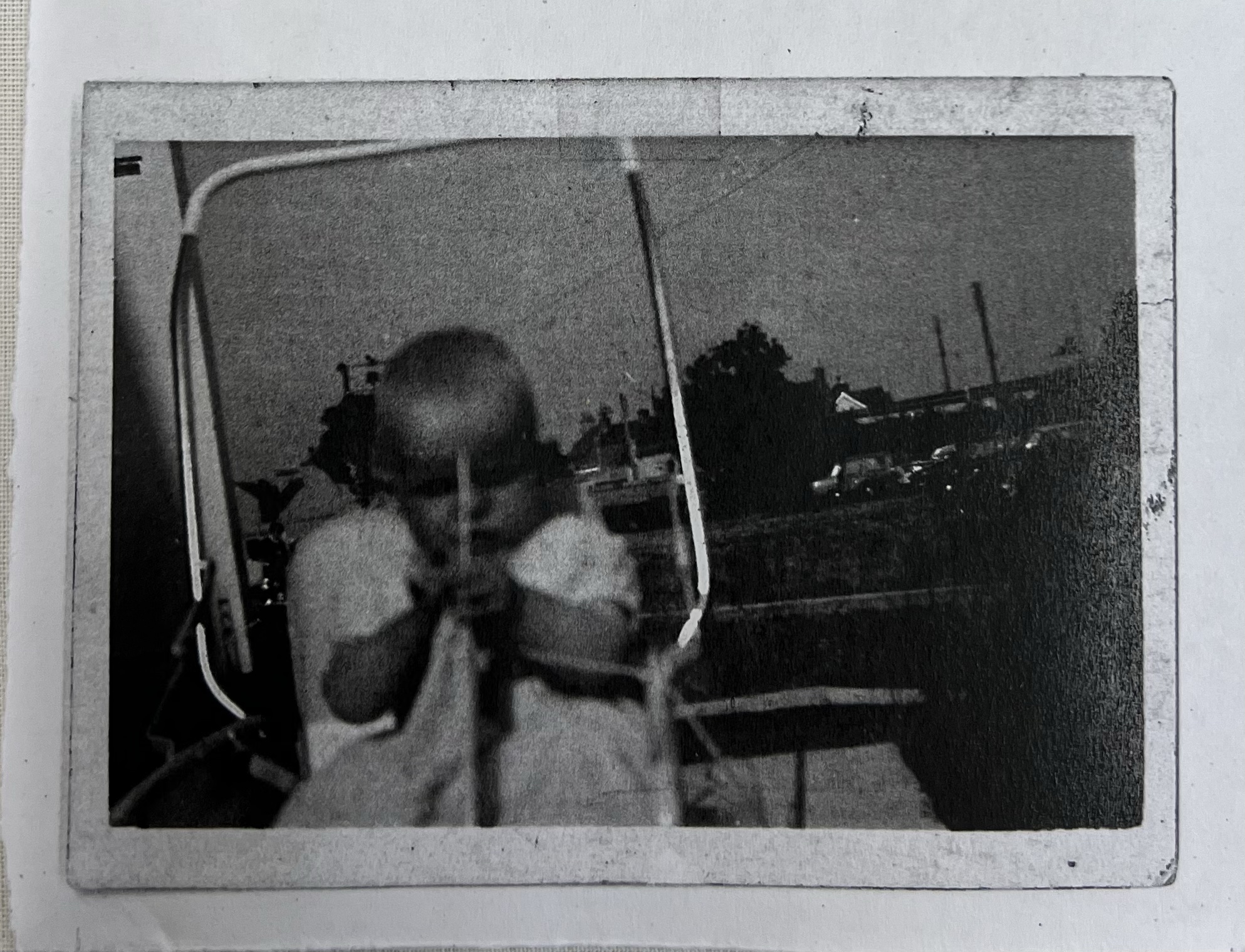
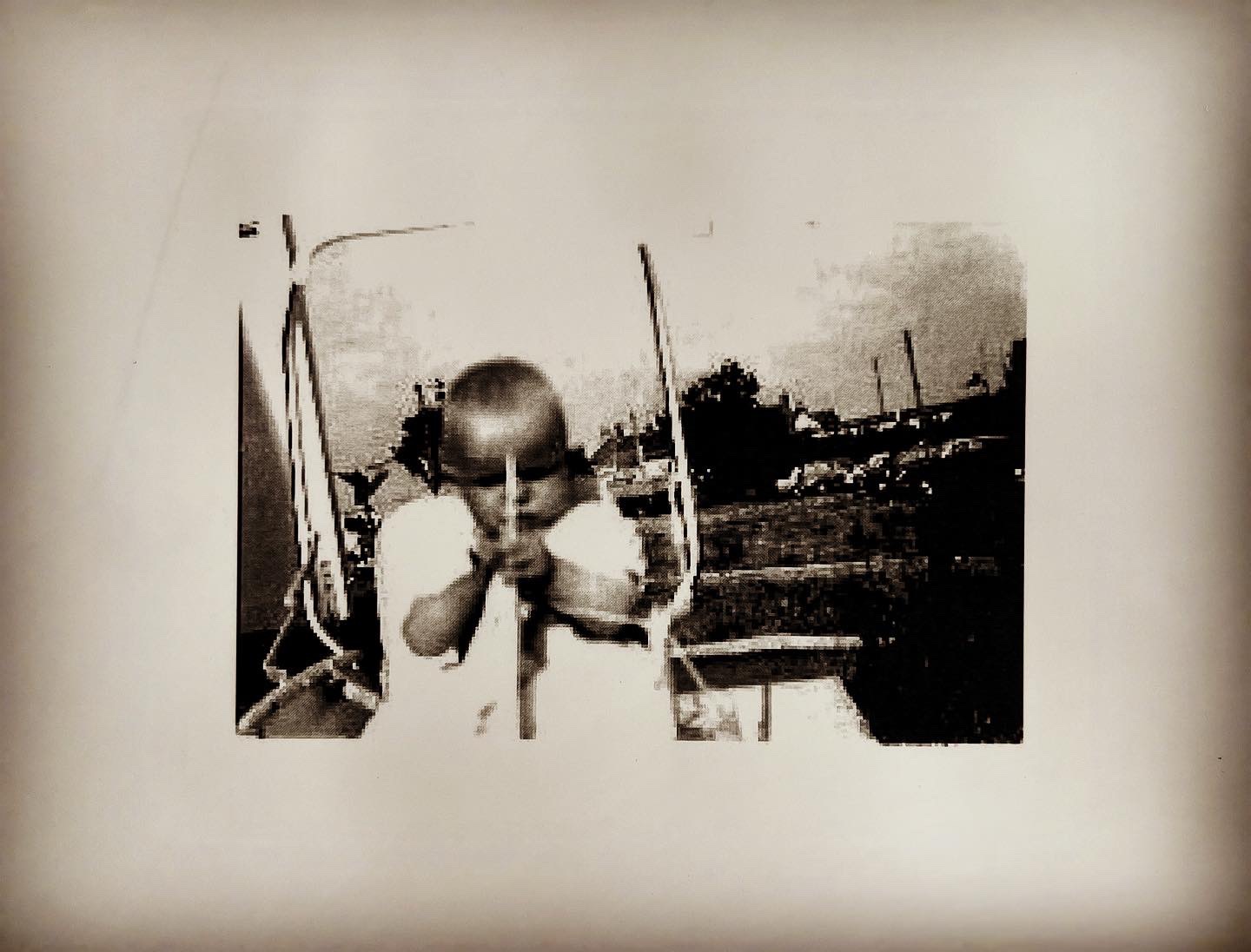
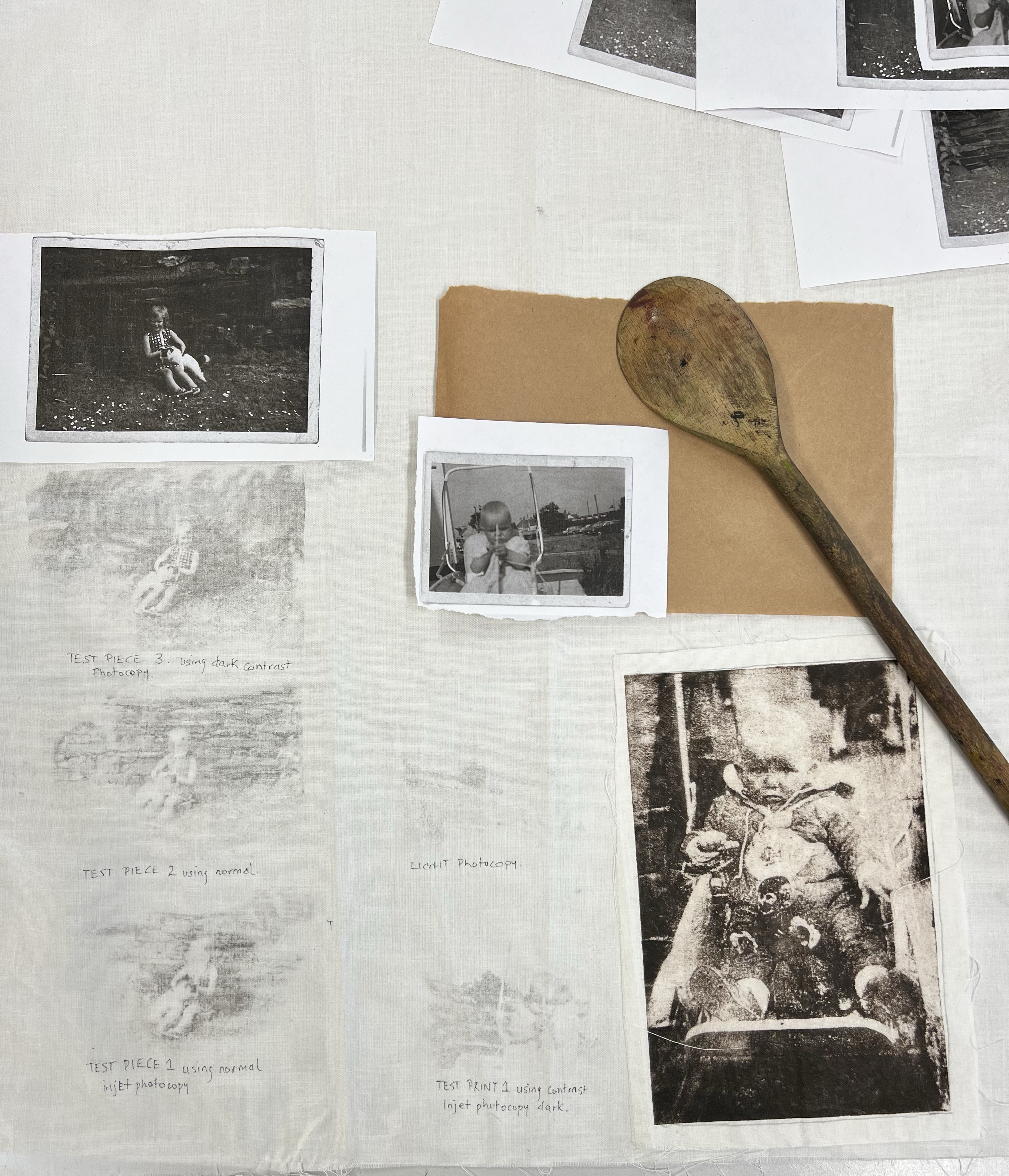
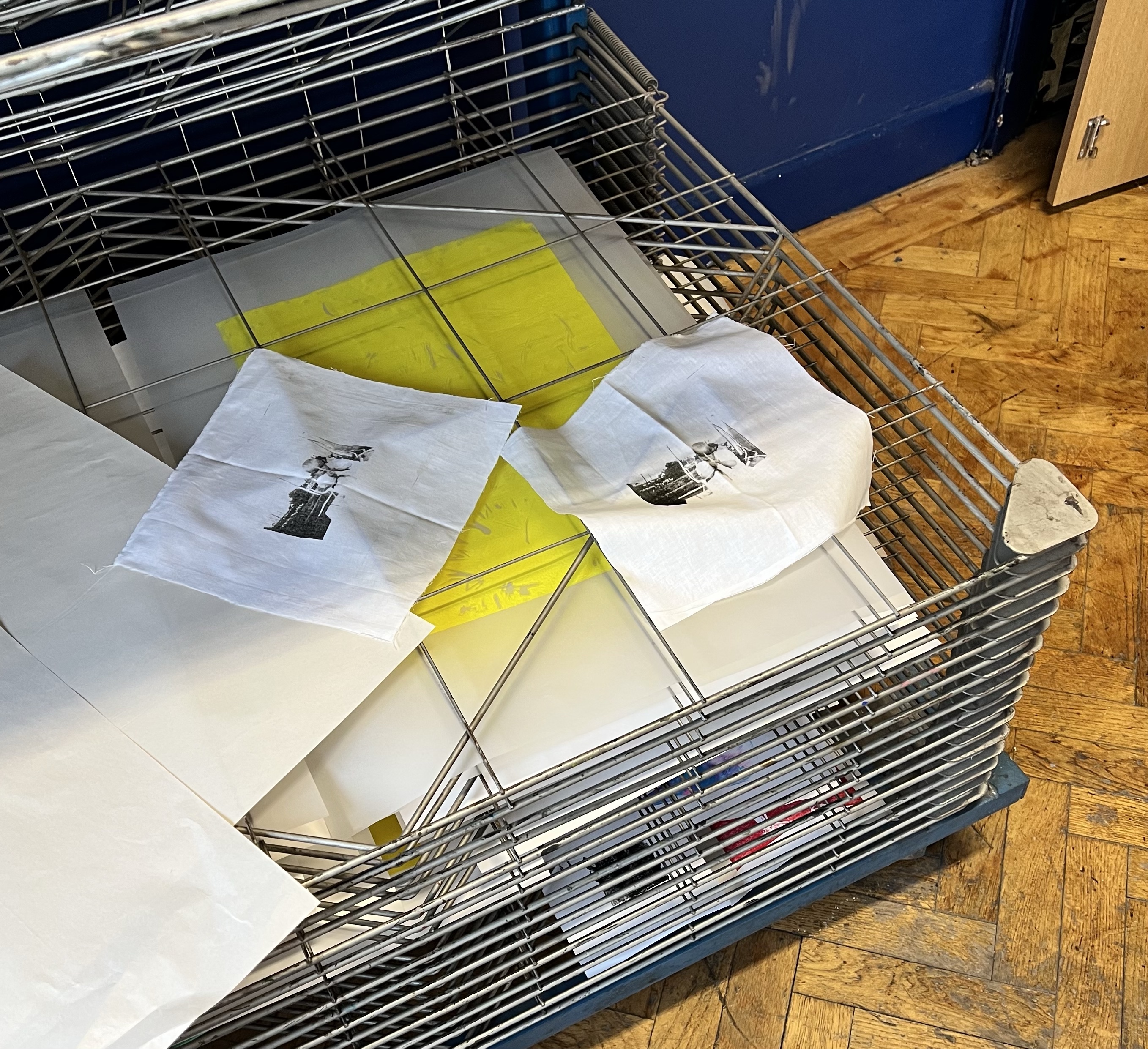
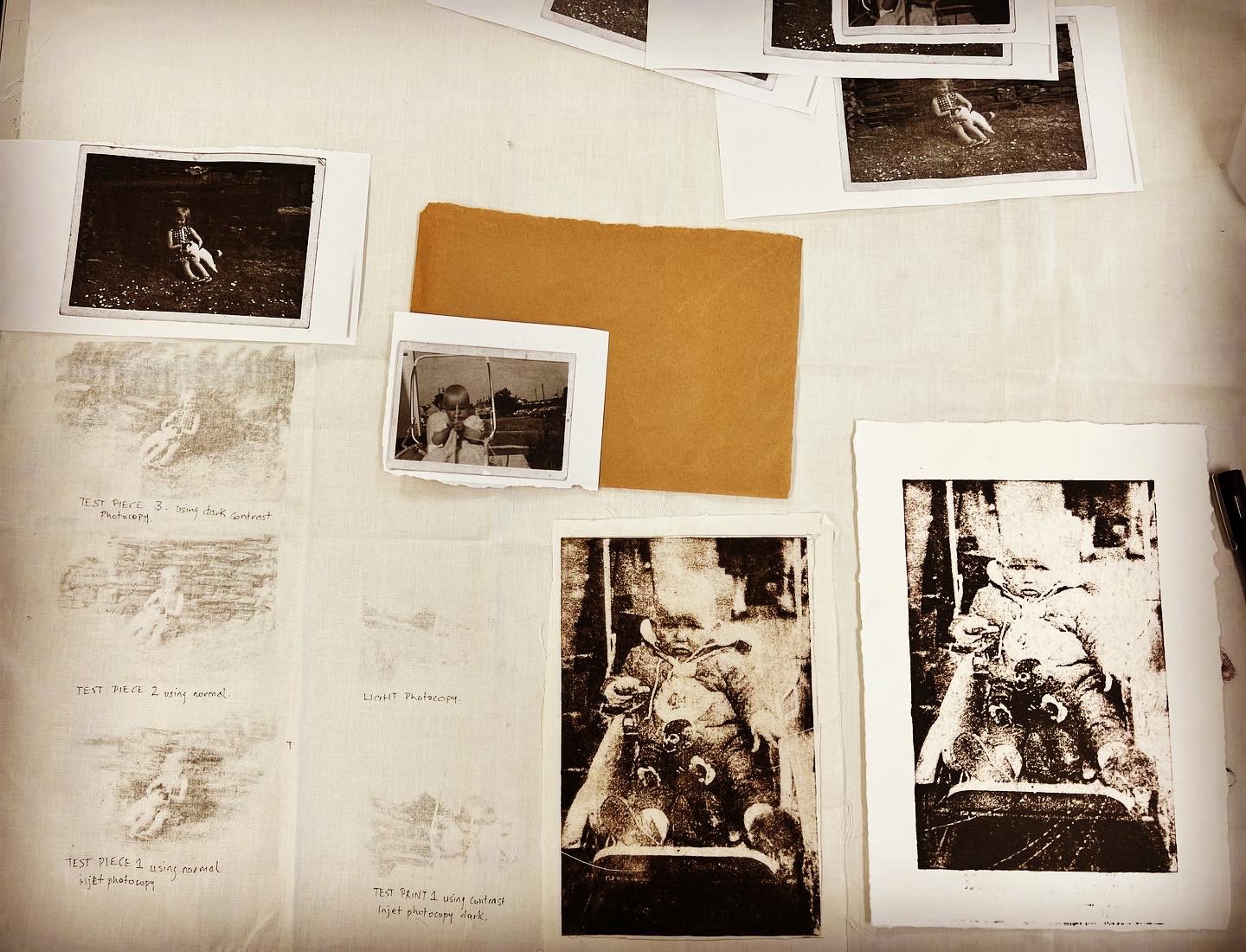

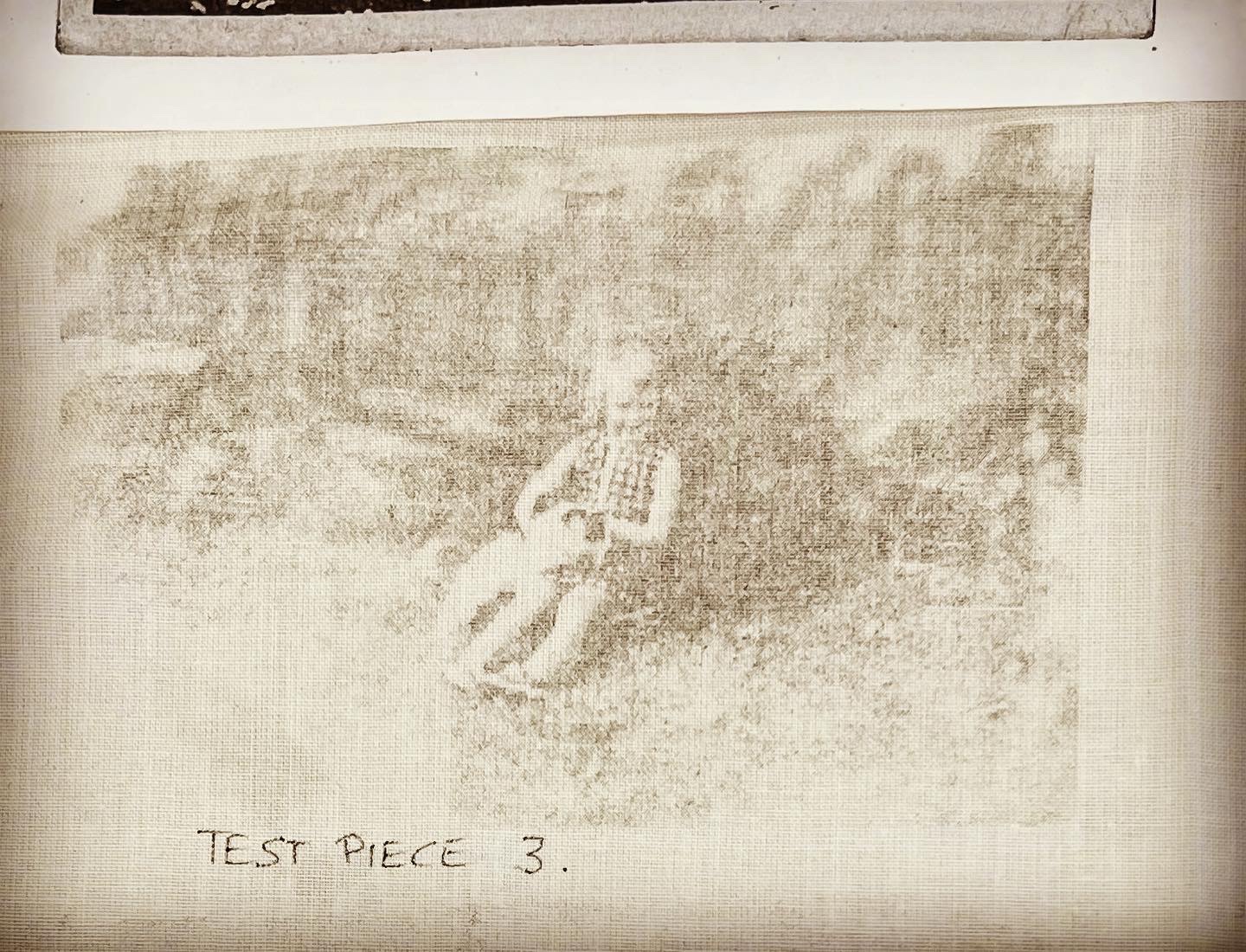

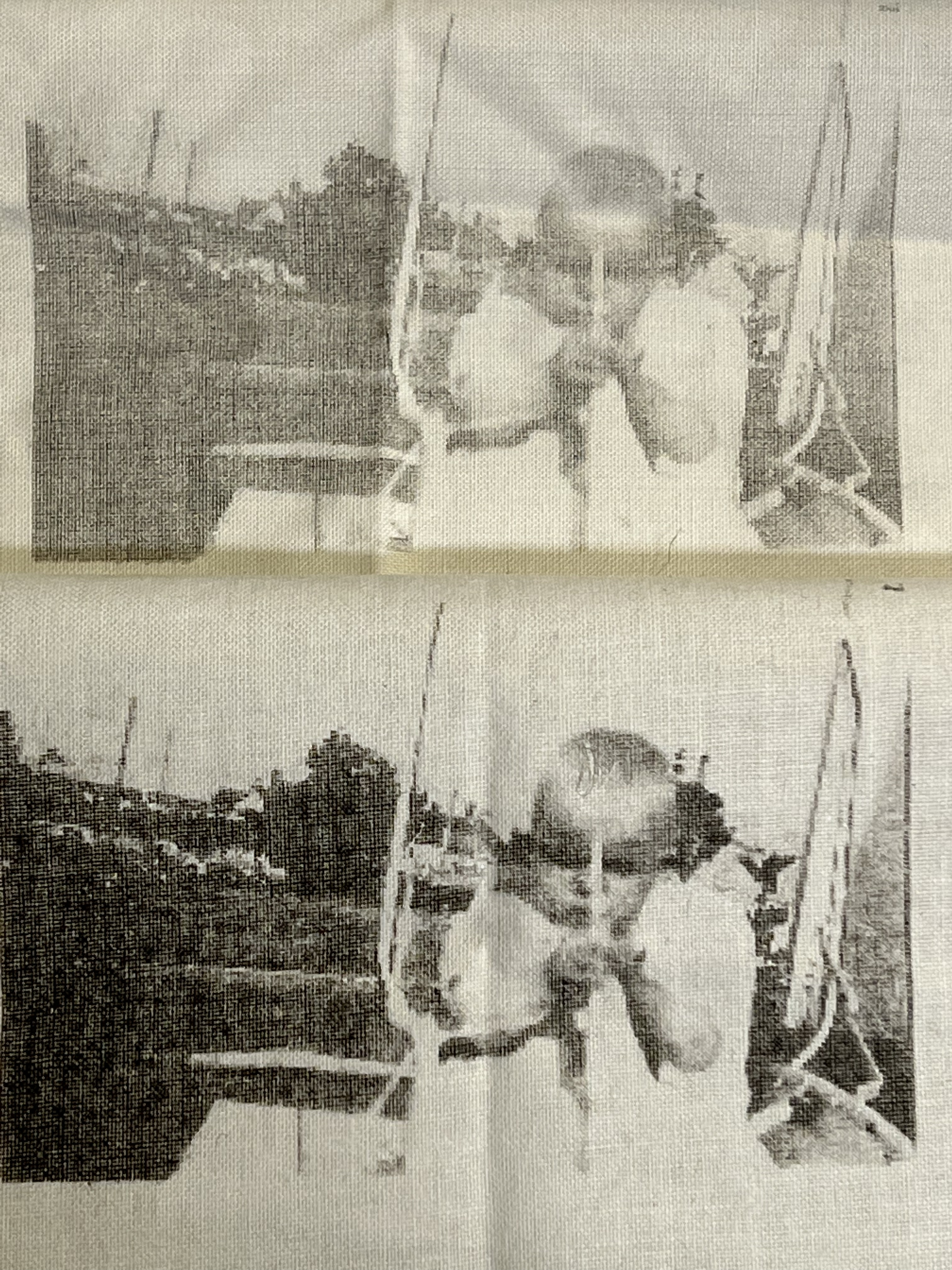
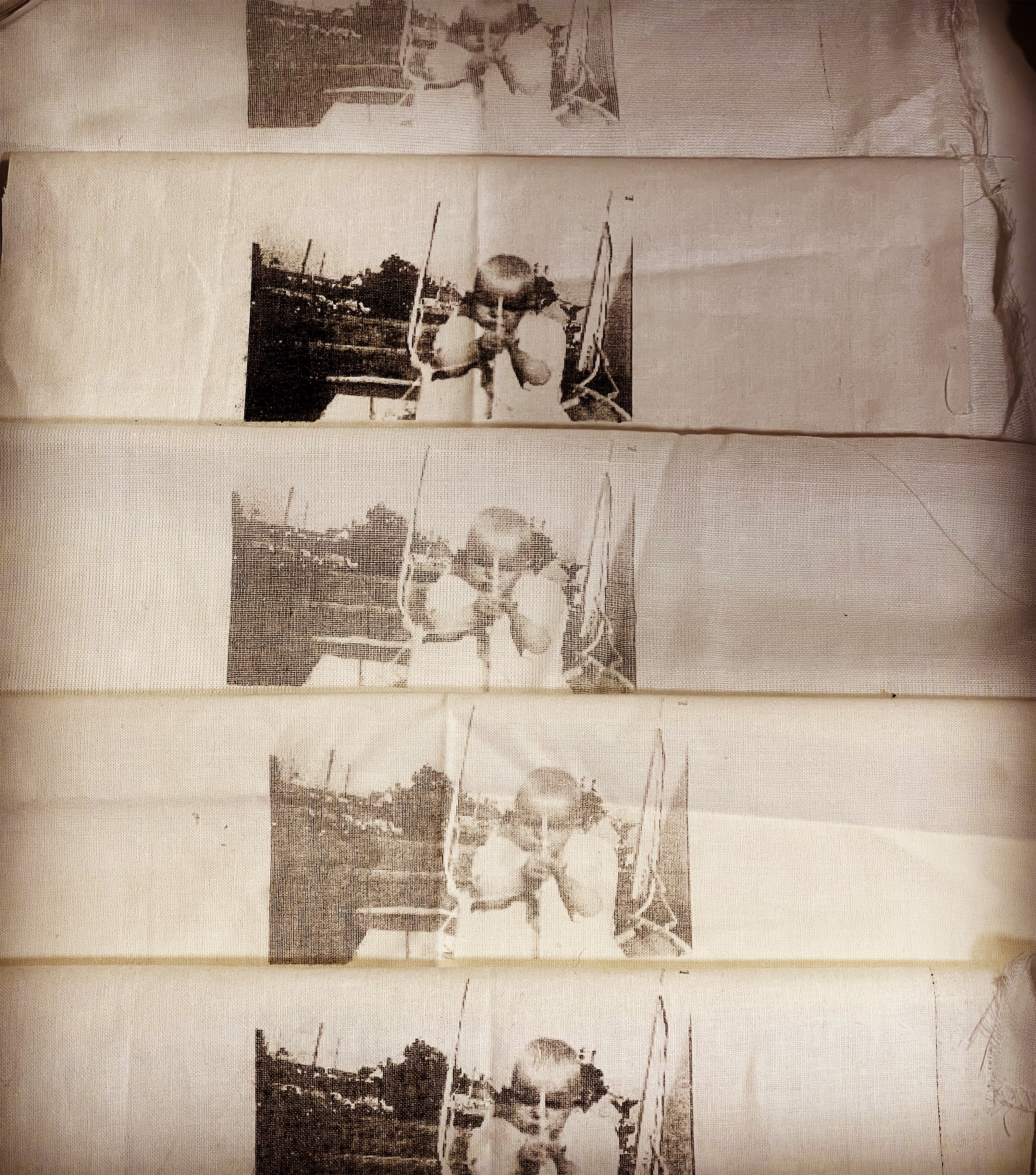
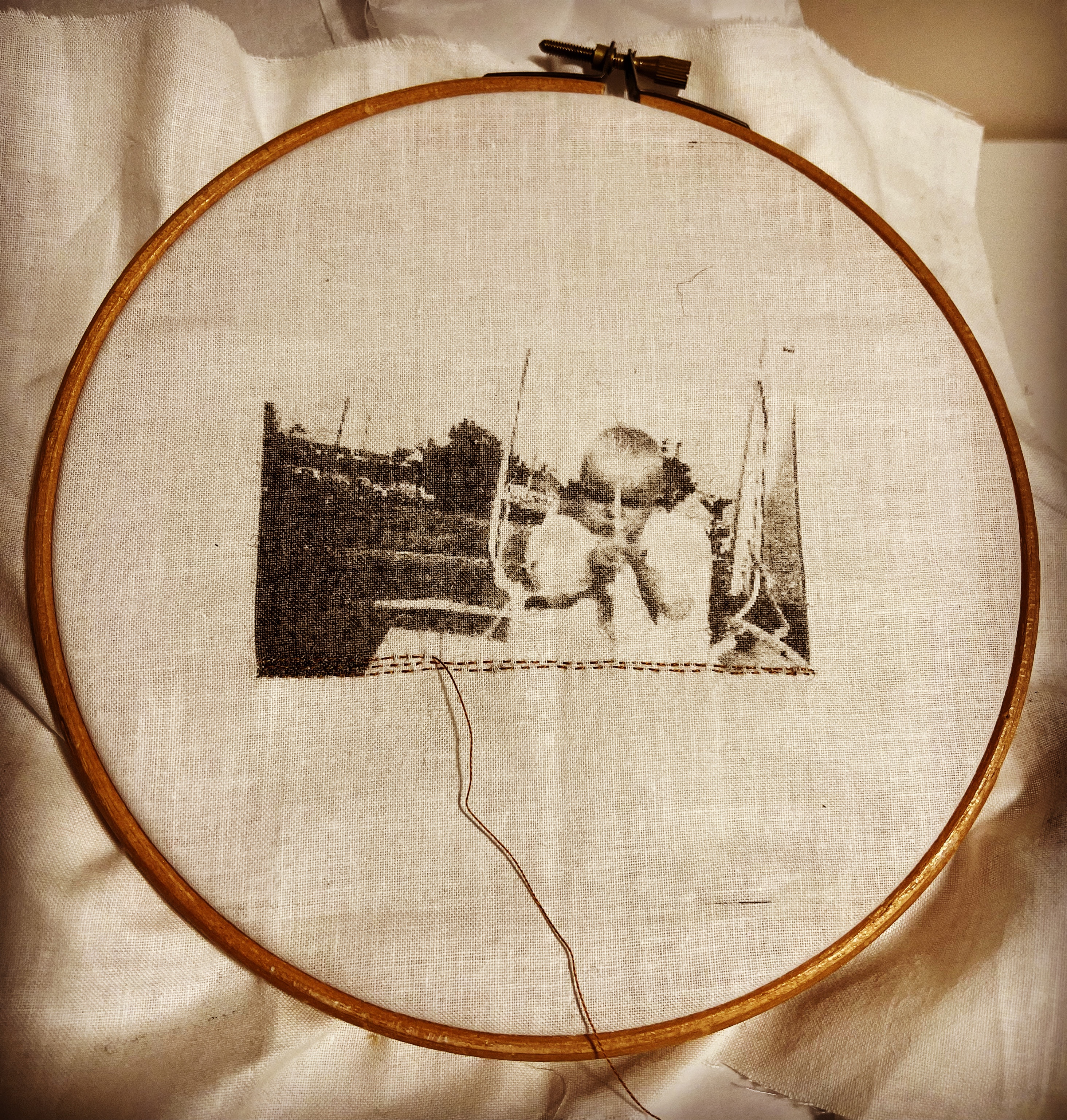
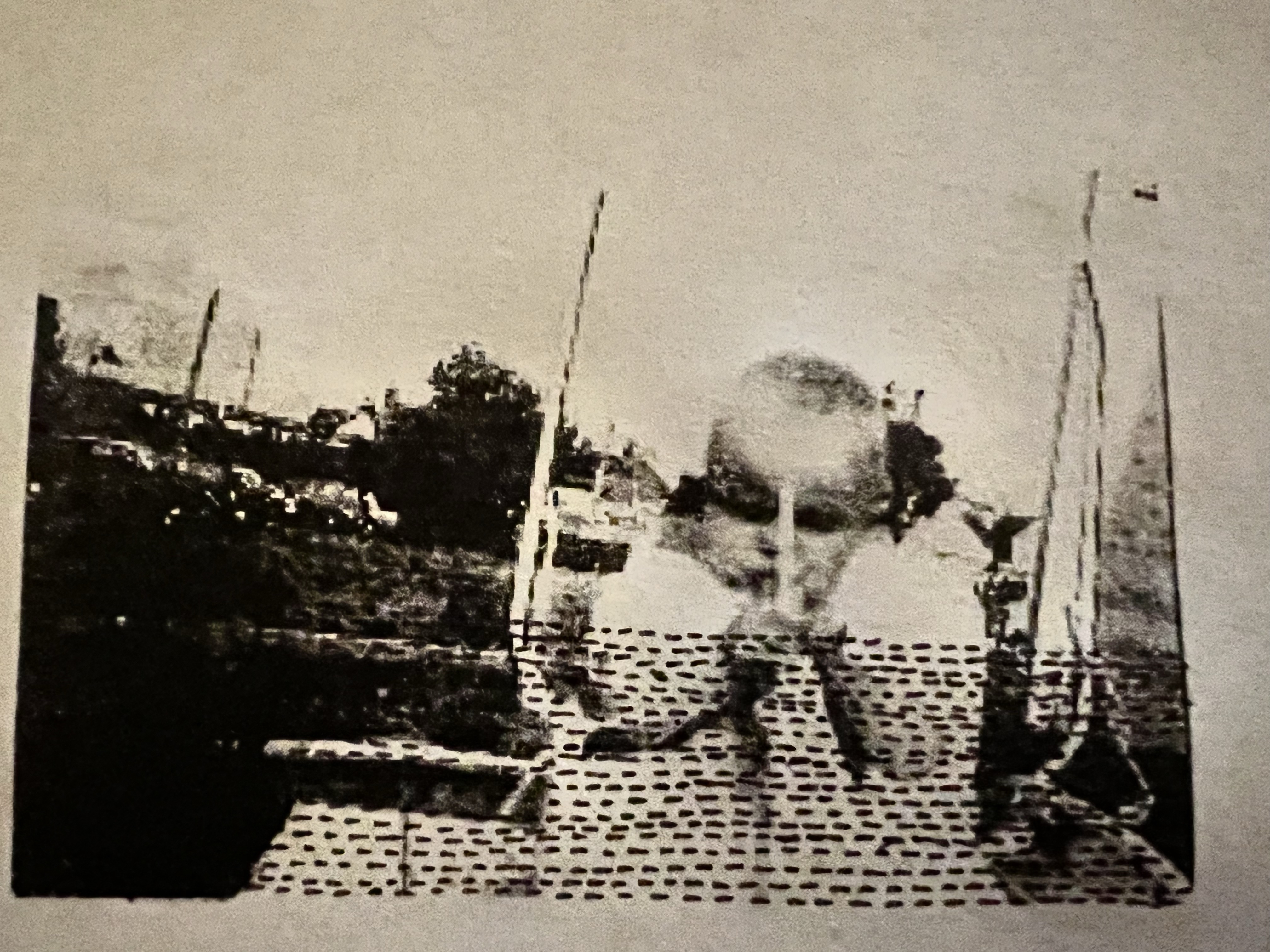
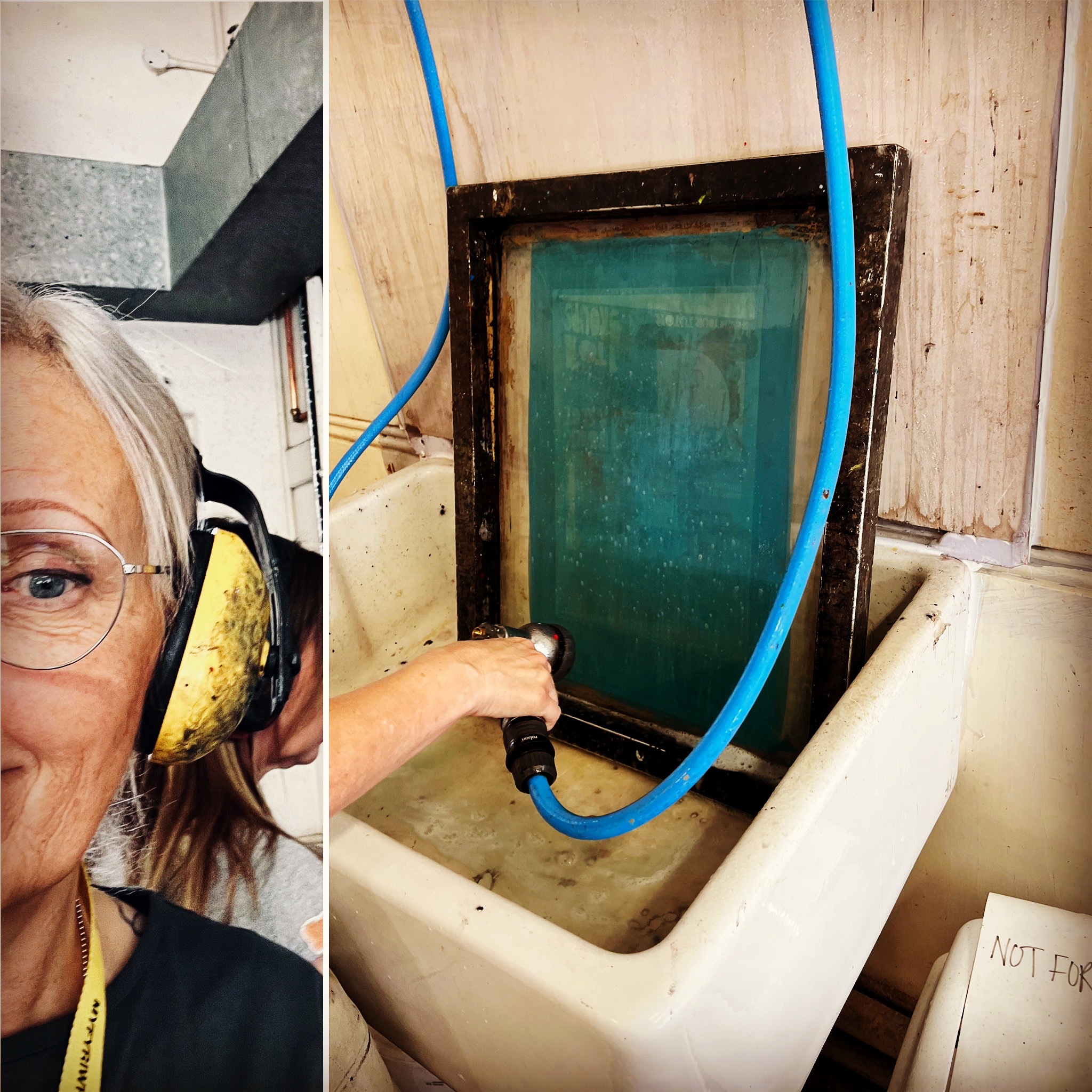
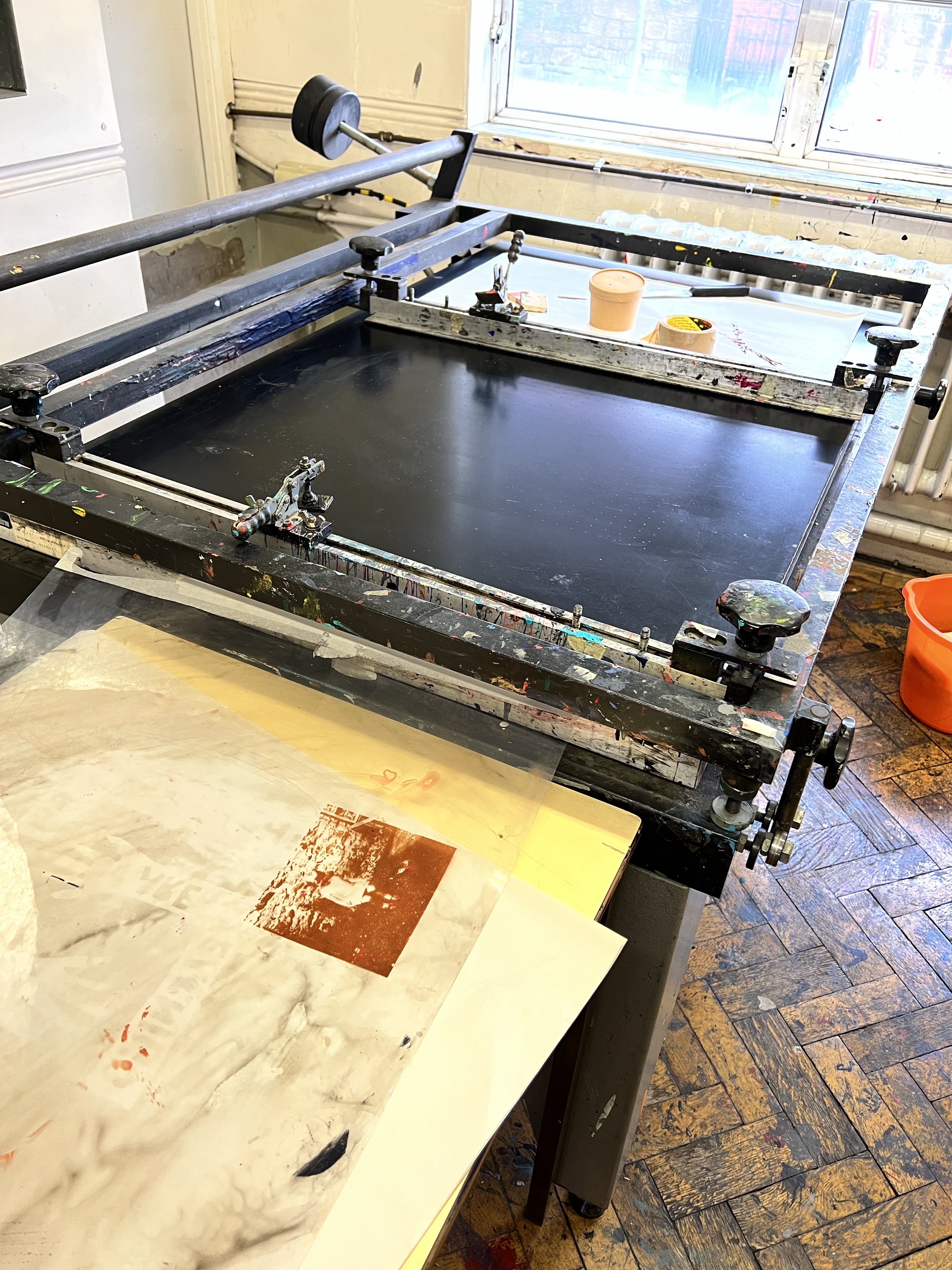
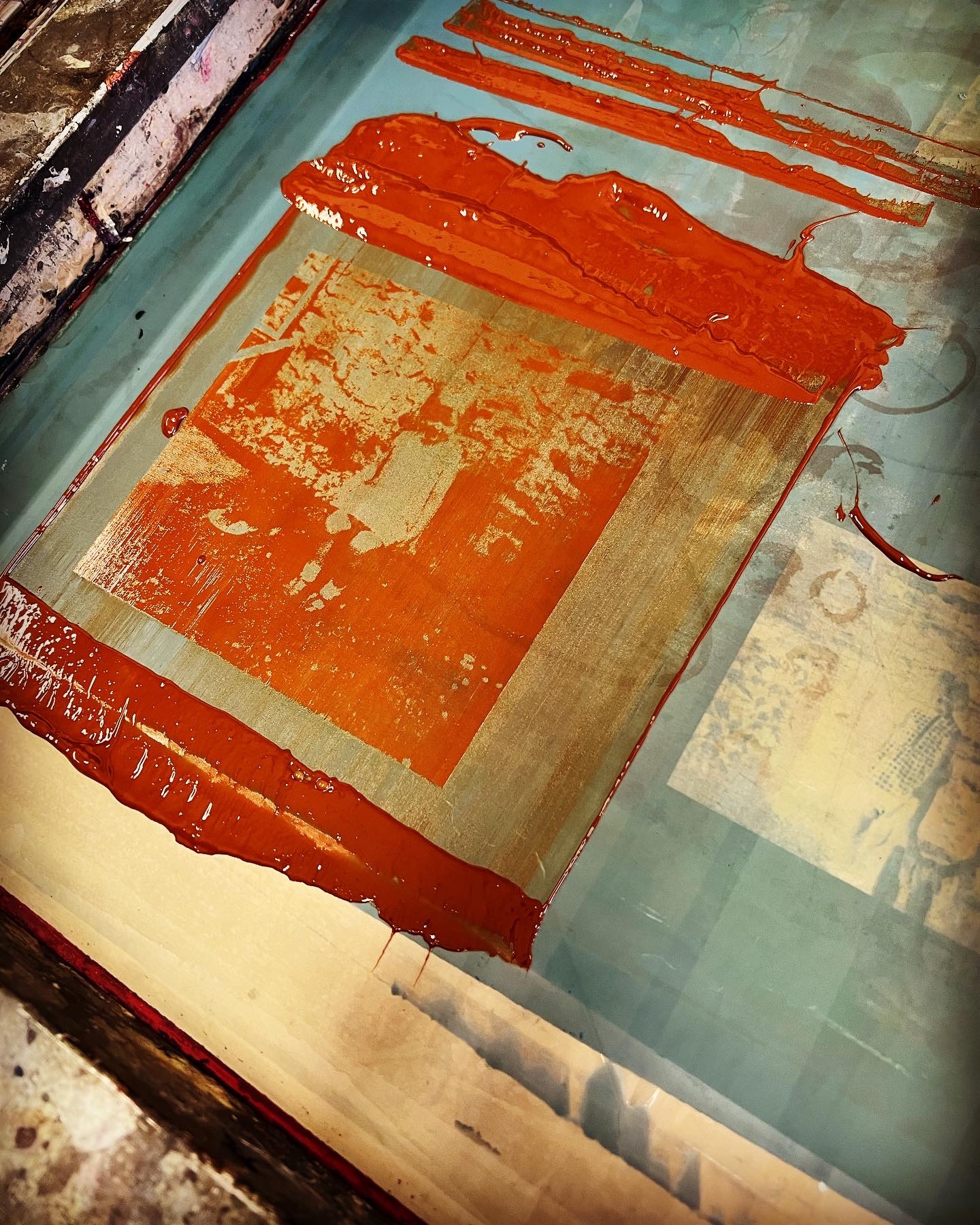
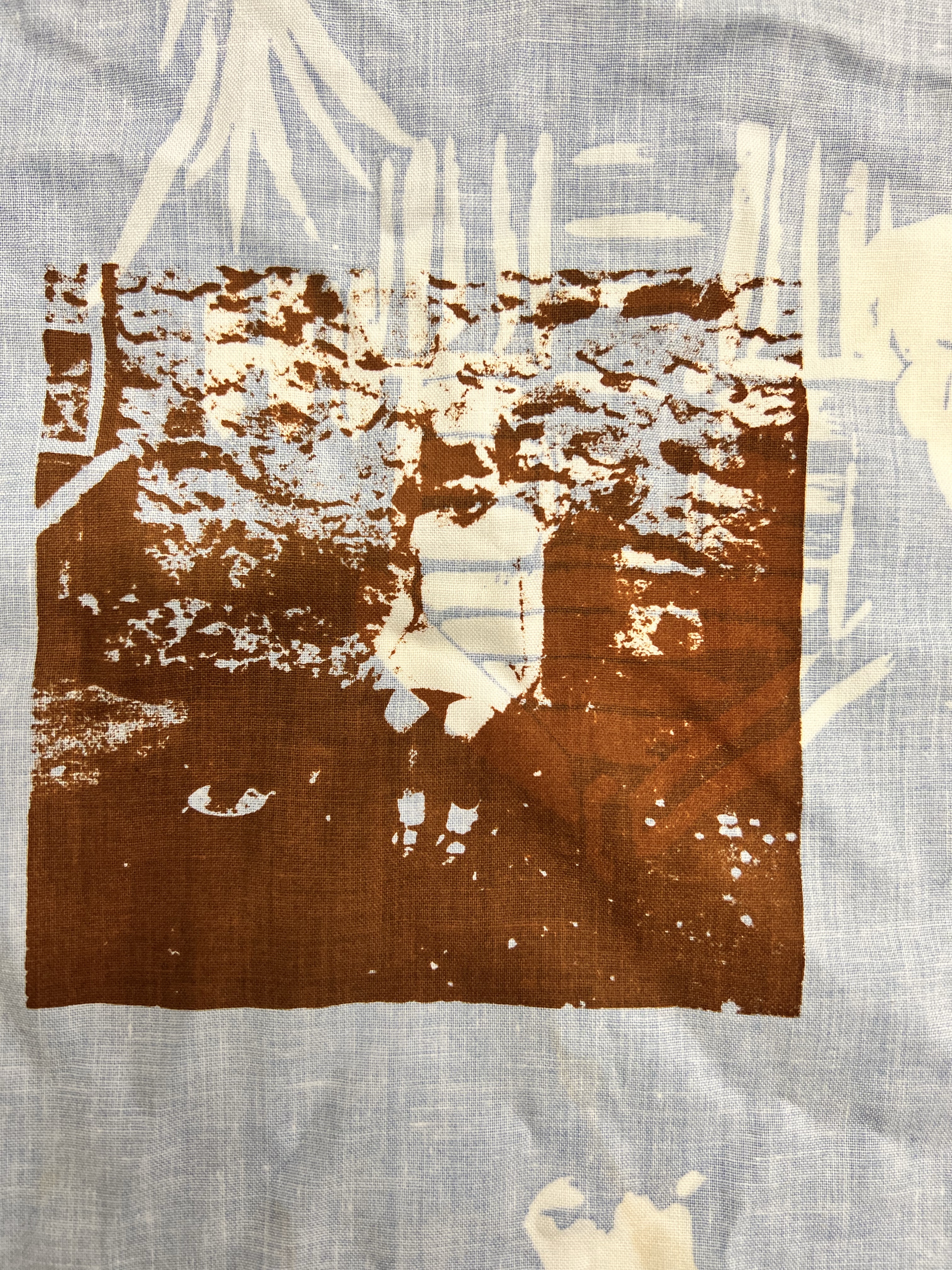

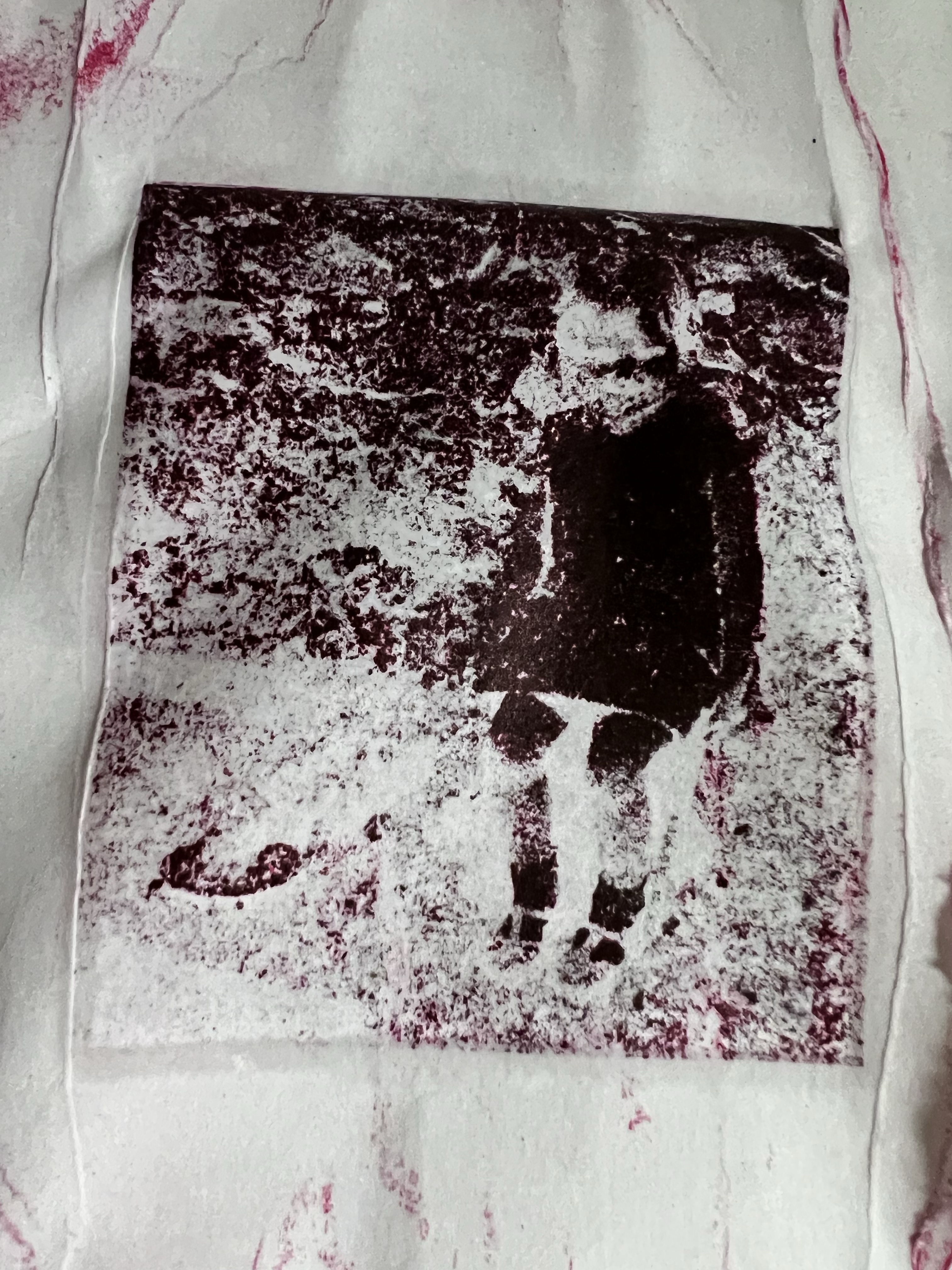
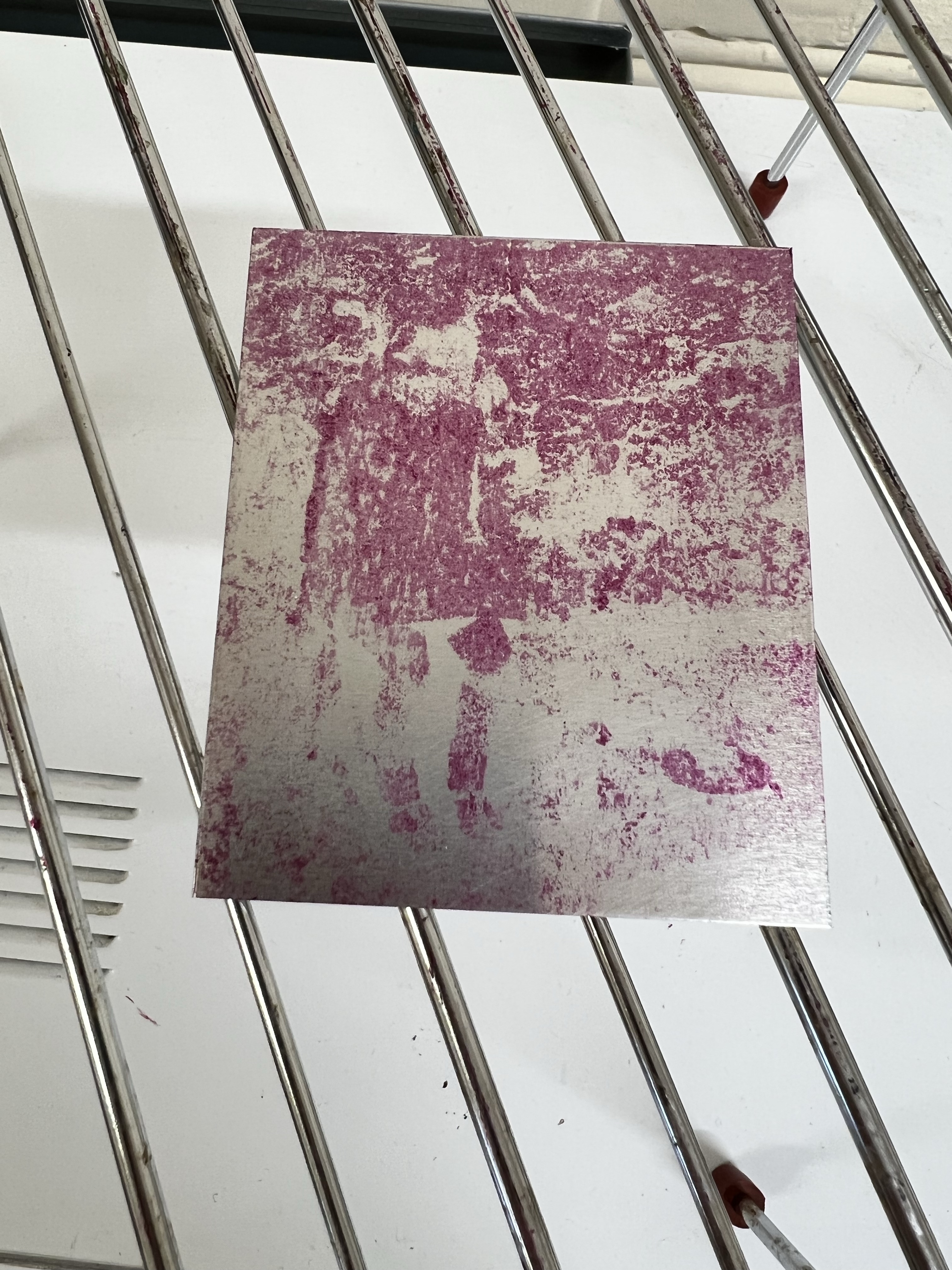


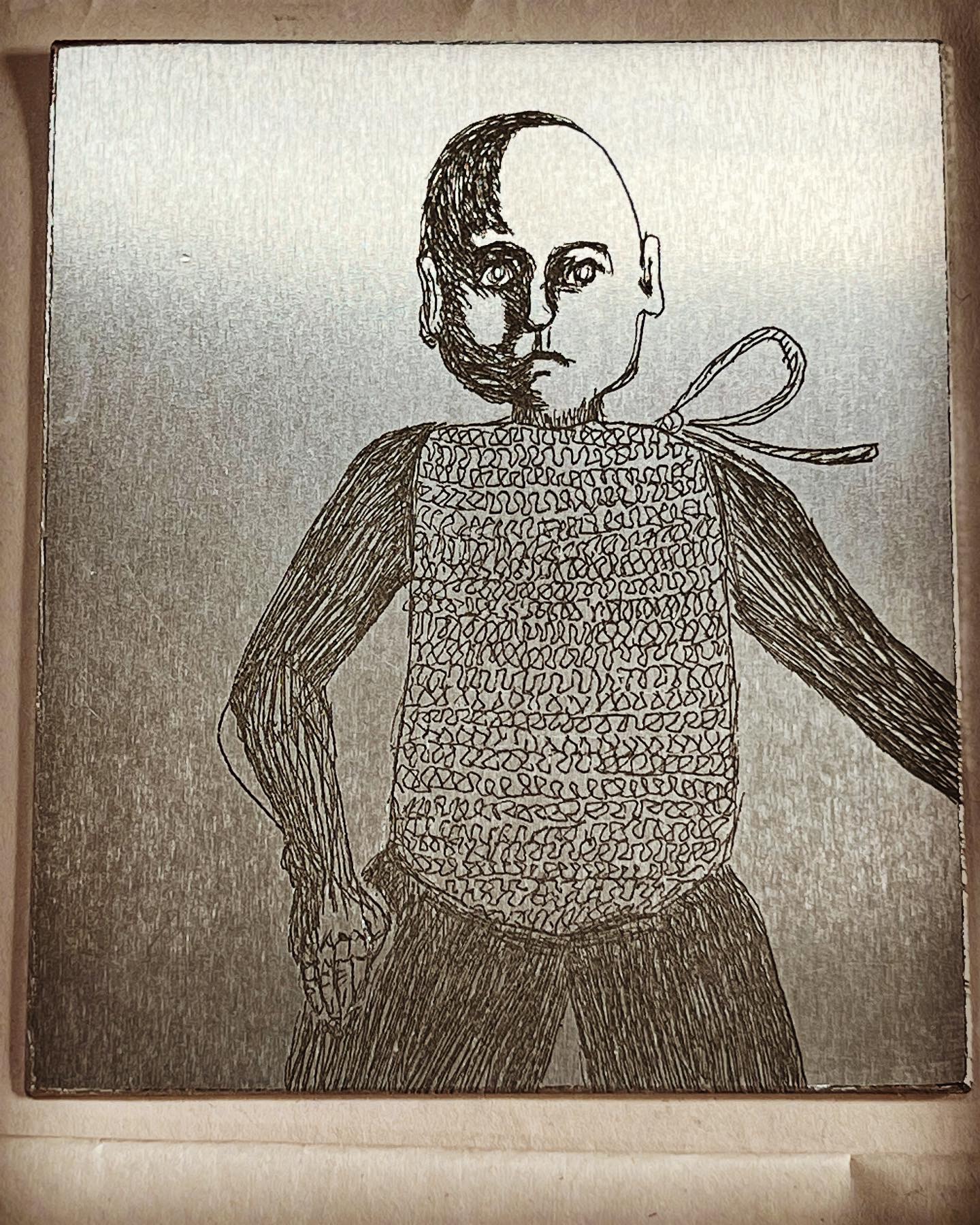
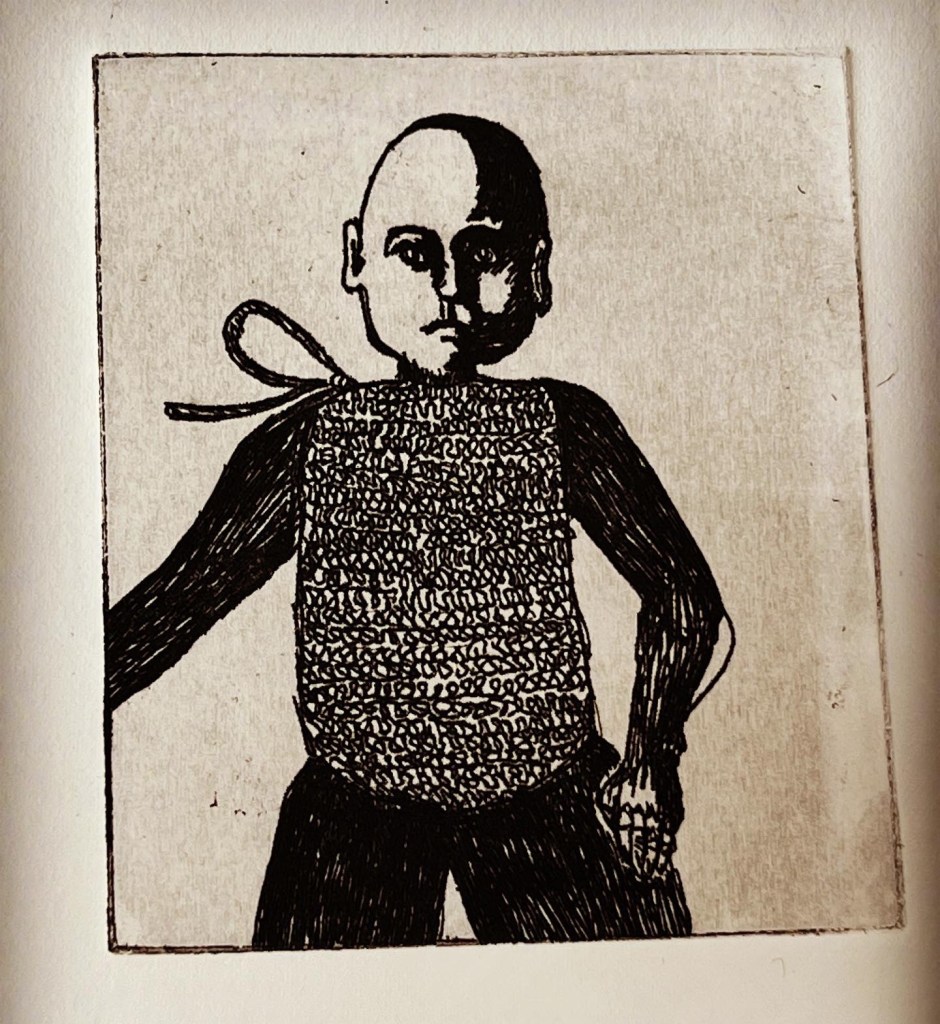
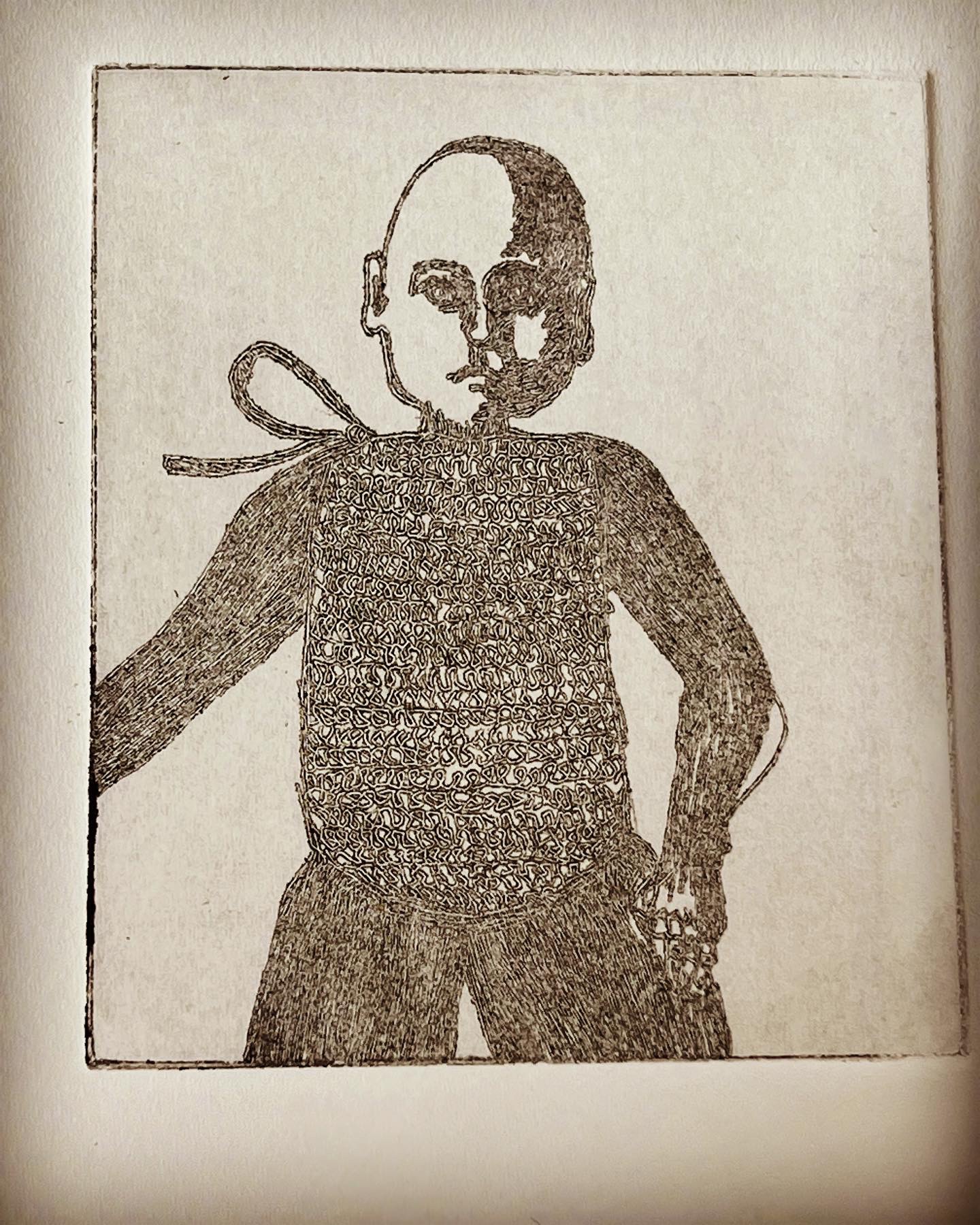
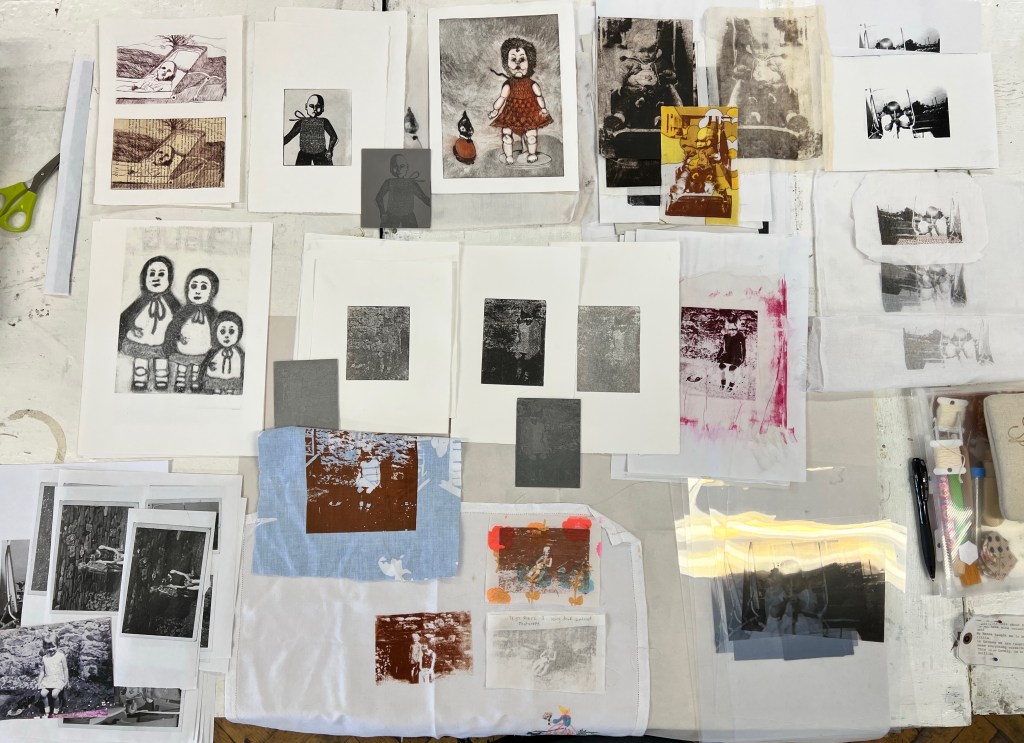
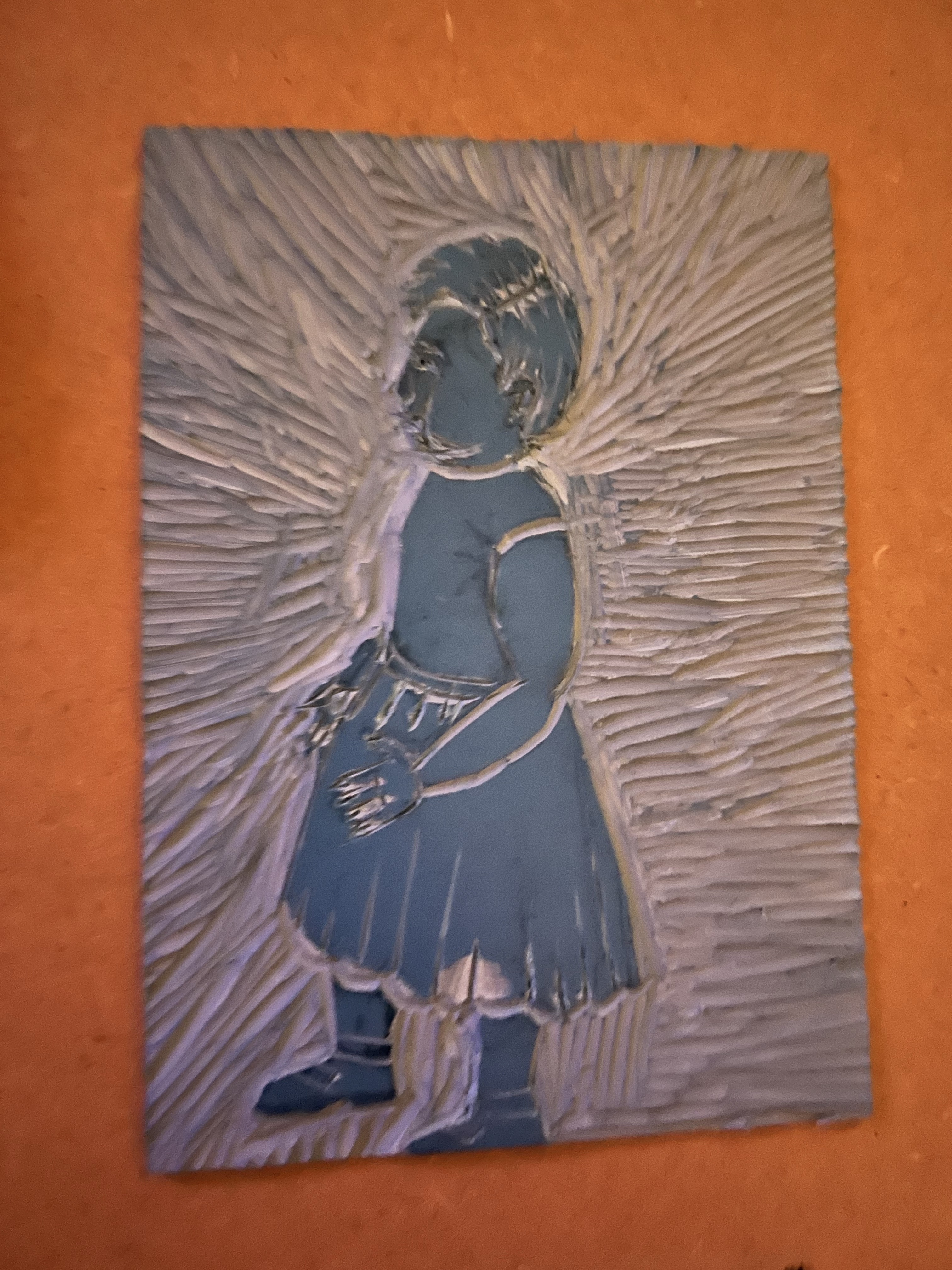

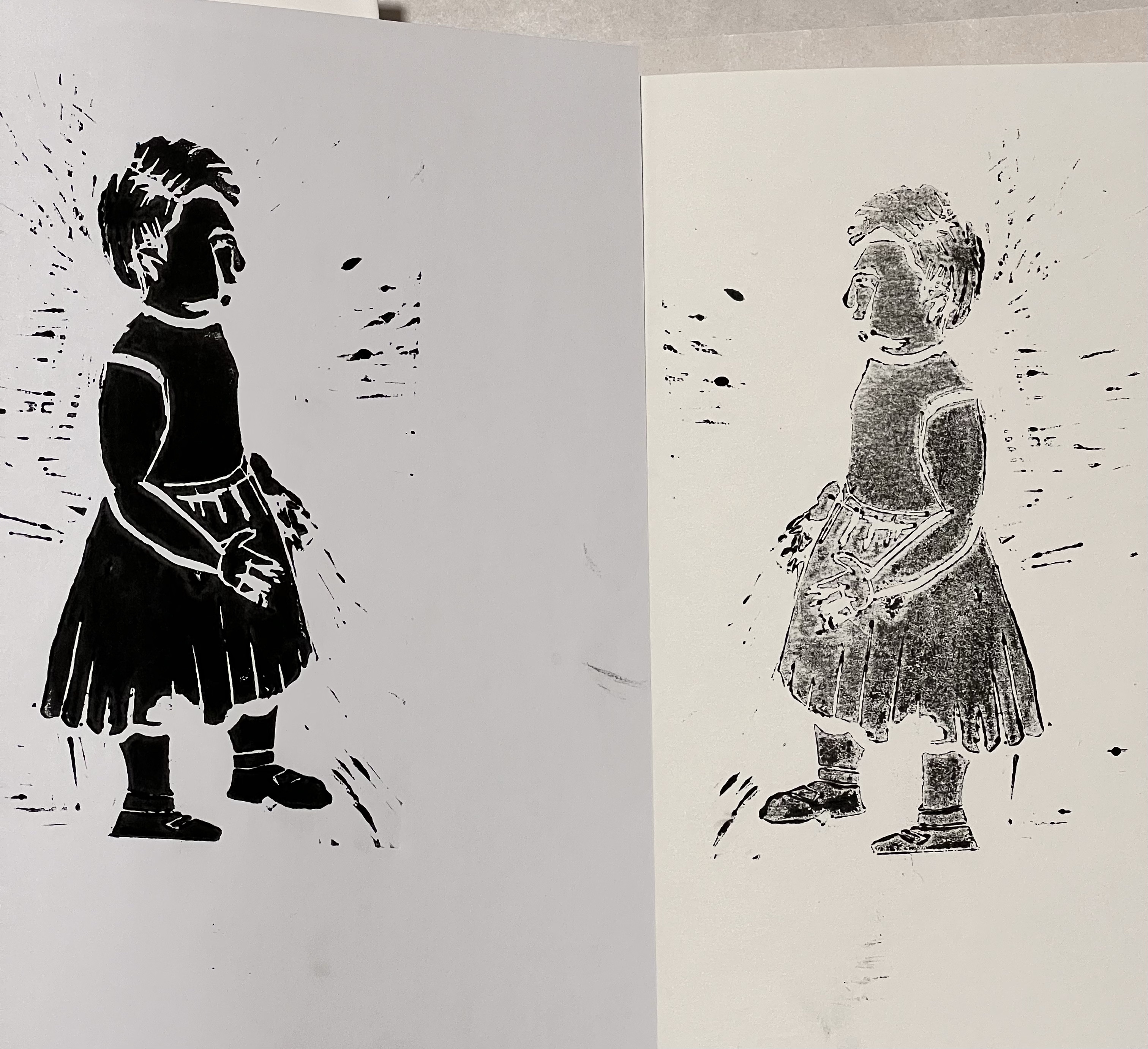

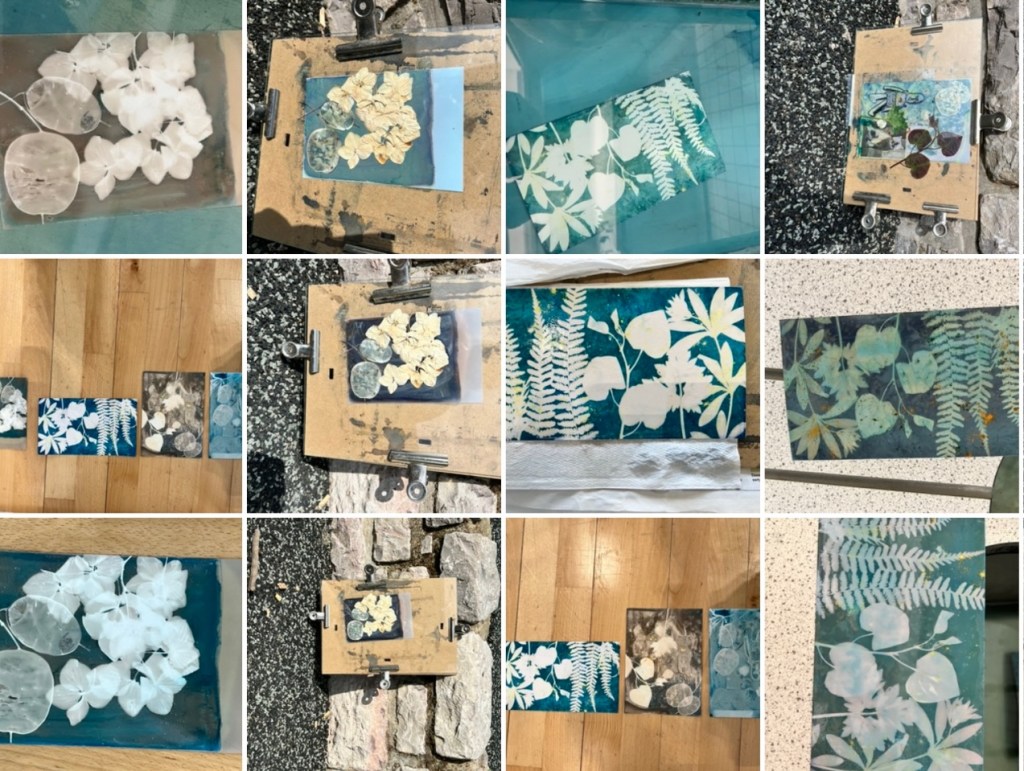
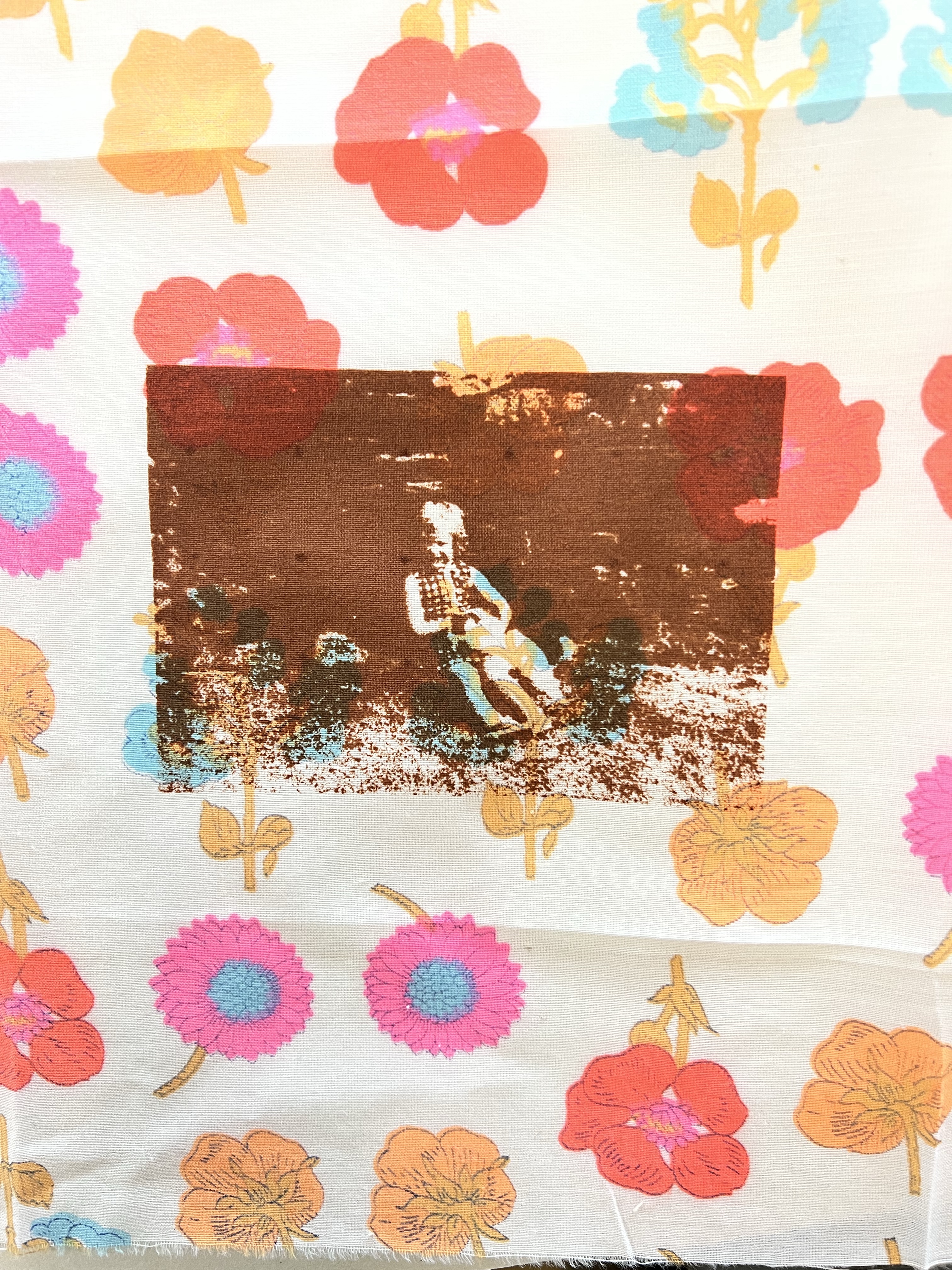
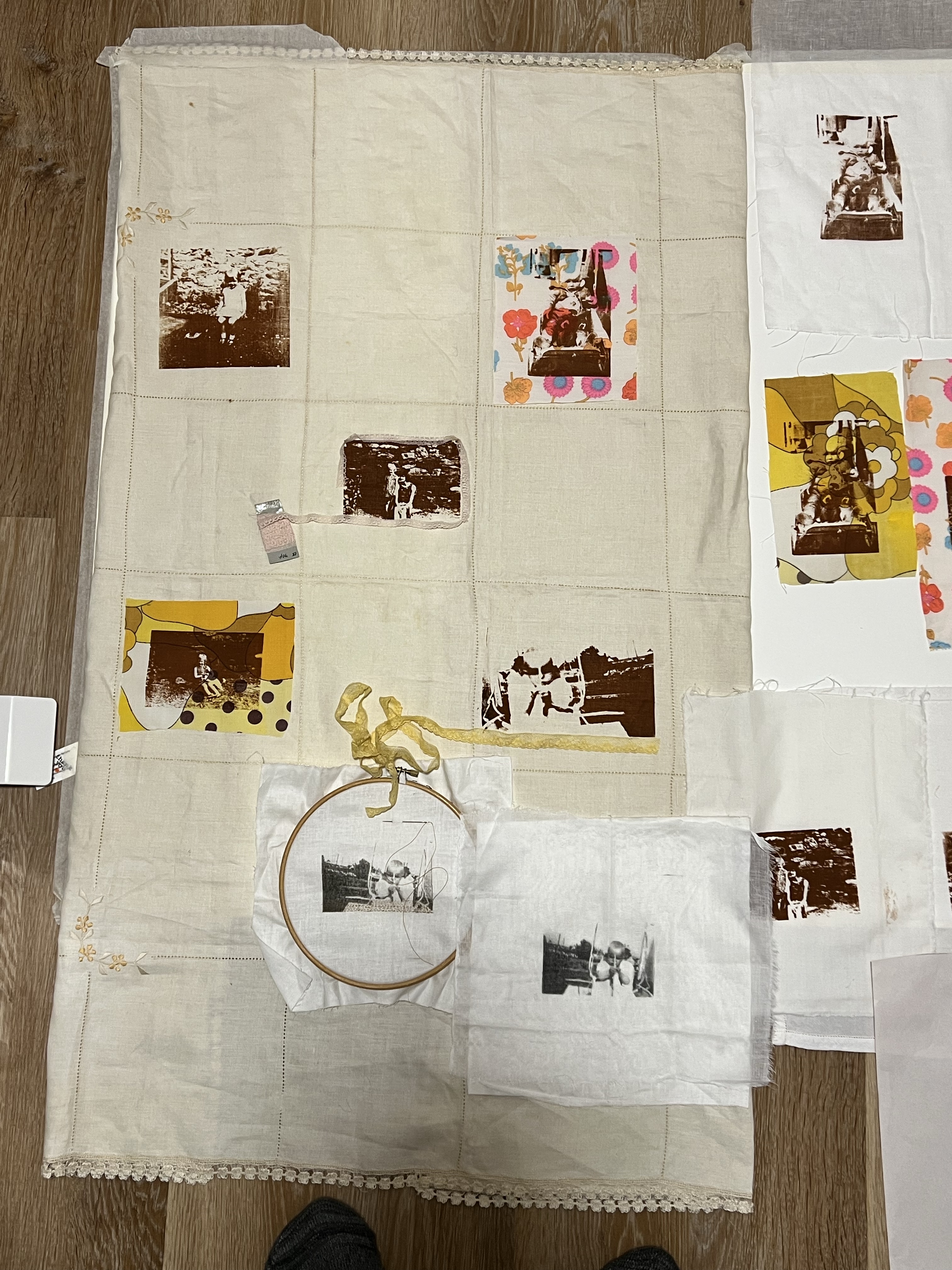
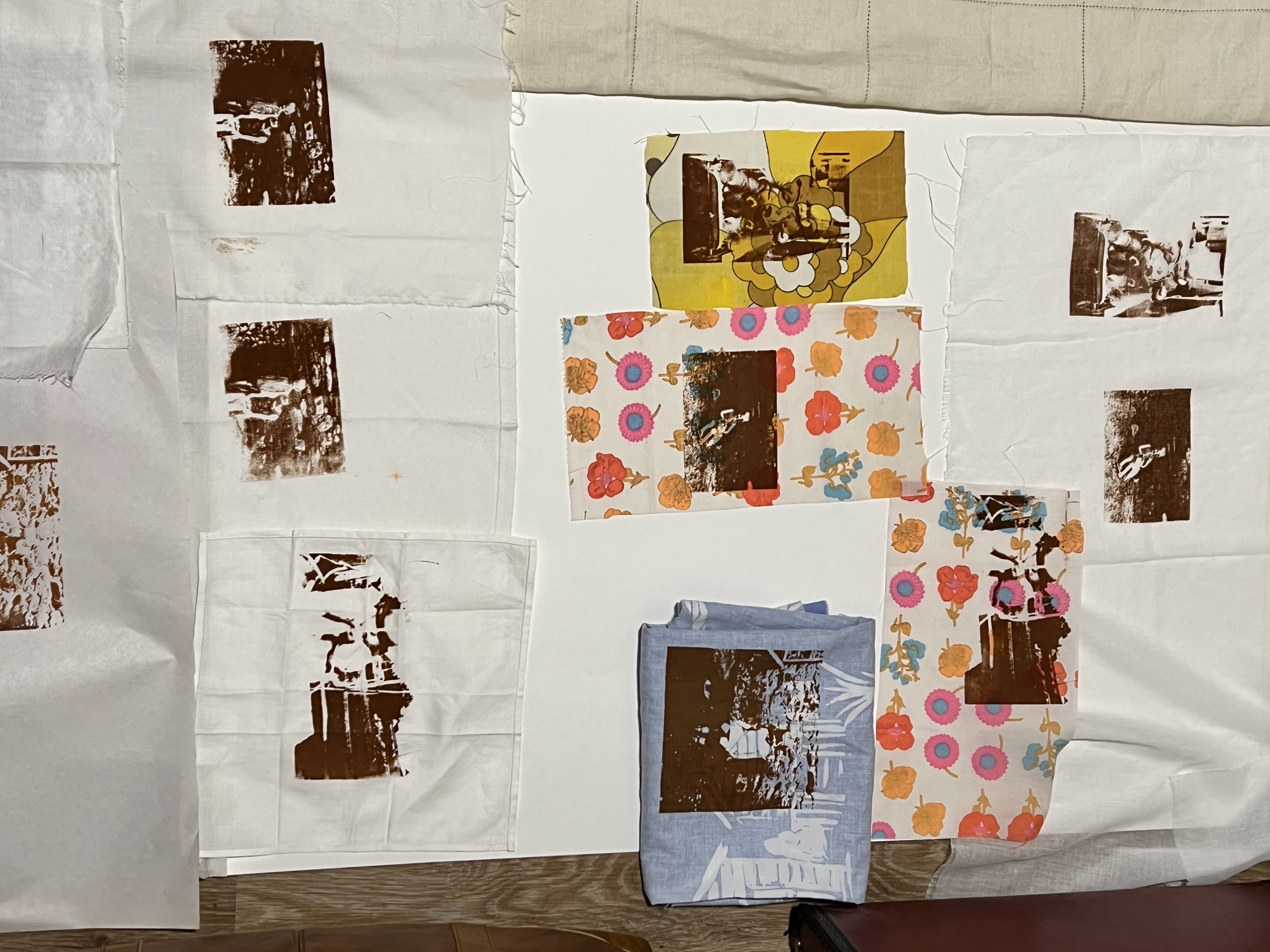
Printing! The process of printing for me is like drawing and painting blind, the unpredictable nature, and the experimentation that can be achieved is limitless, I am a beginner and I have only screen printed once under the direction of the technician and my plan is to complete an online course with Lisa Evans and continue to innovate ideas in this field.
The reason I feel that print as a process is important for me as a visual storyteller I am able to be less precious about my images, the non predictability of the end result, as someone who has always been a little terrified of the blank page it’s been a long journey to find a process that eliminates this fear and has also enabled me to loosen up in my drawing finding my own style that I’m happy with.
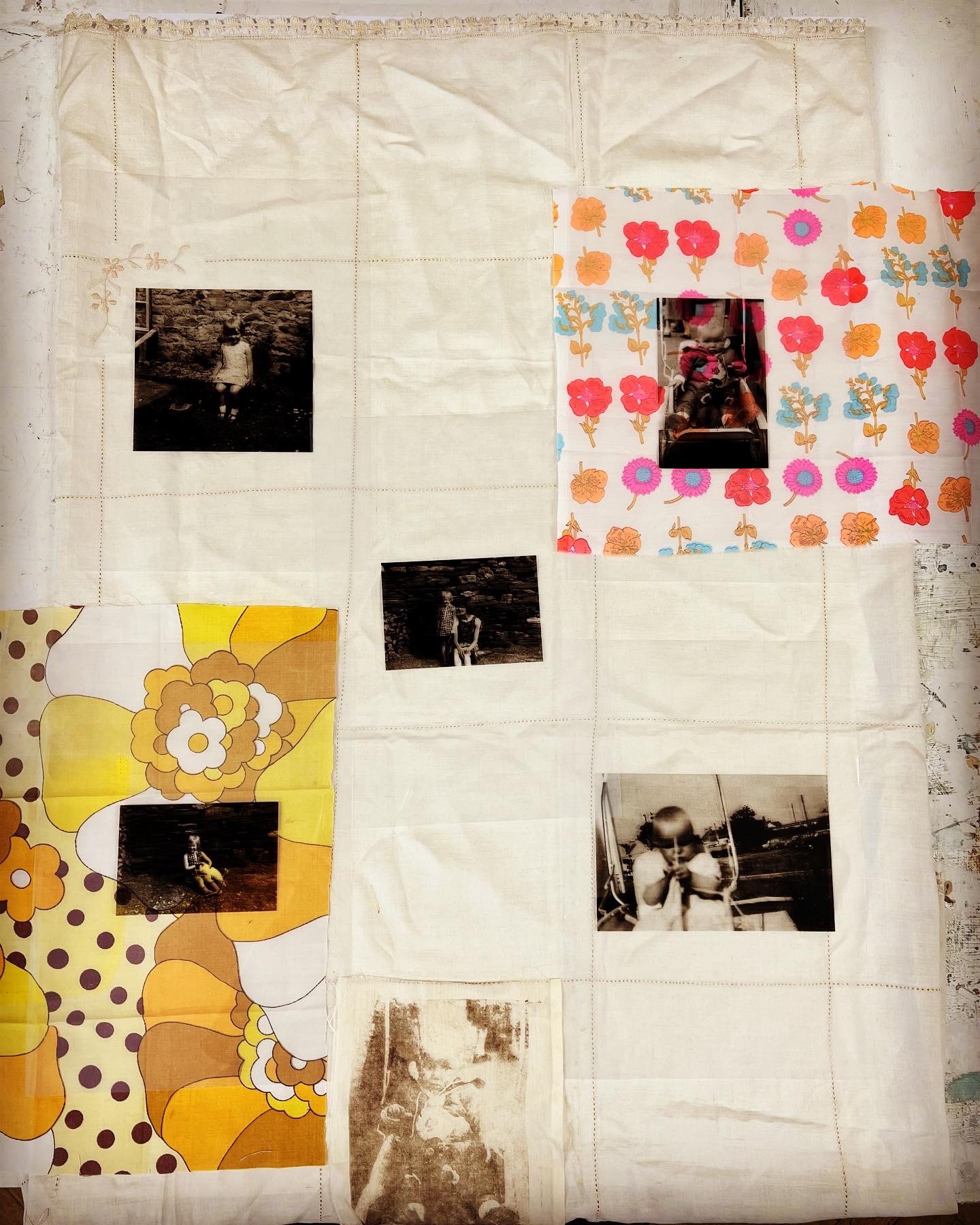
Using photographs from my childhood in this process allows me to work into these, my hope is that through experimenting I will be able to make larger pieces that have multi layers of meaning, drawing on my childhood trauma in this way feels a lot less raw than making figures as well as the recent realisation that due to a debilitating disease rheumatoid my hands are in constant pain and therefore finding new ways to tell my story benefits my working practice.
Drawing


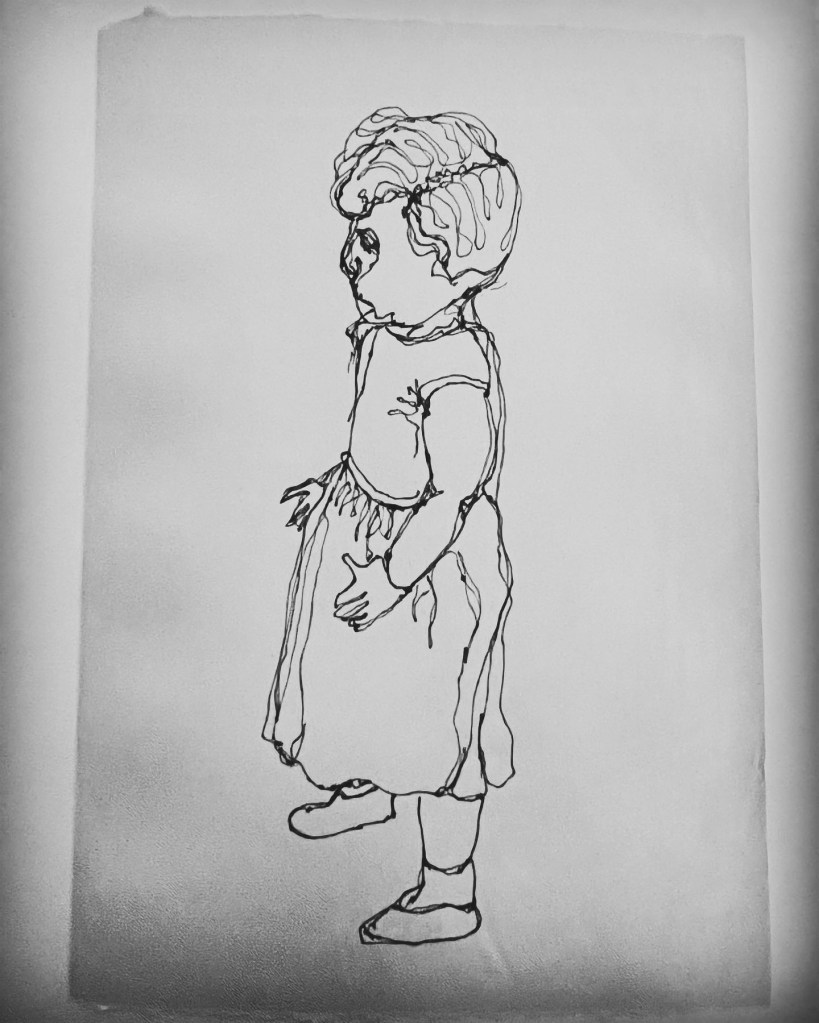


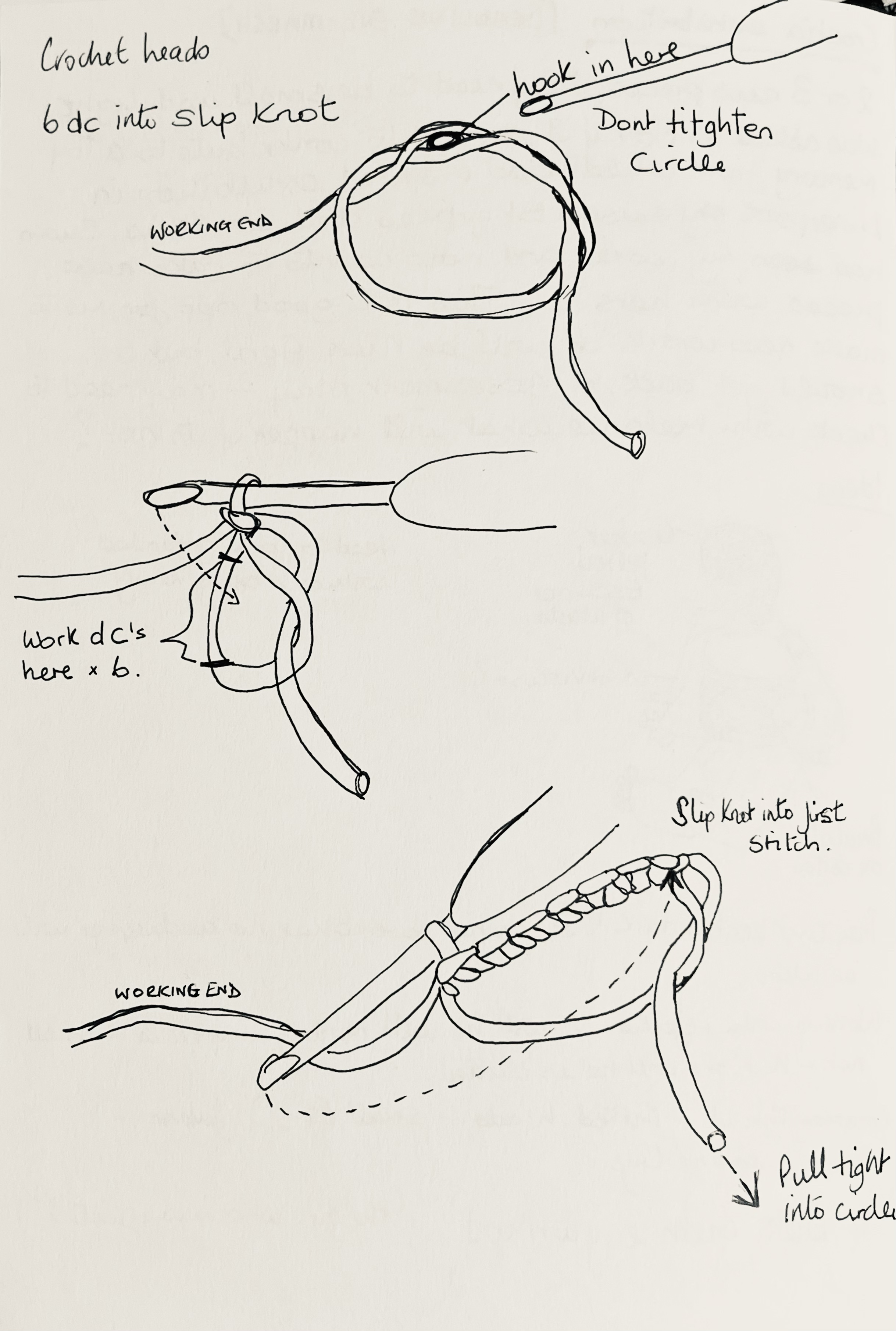
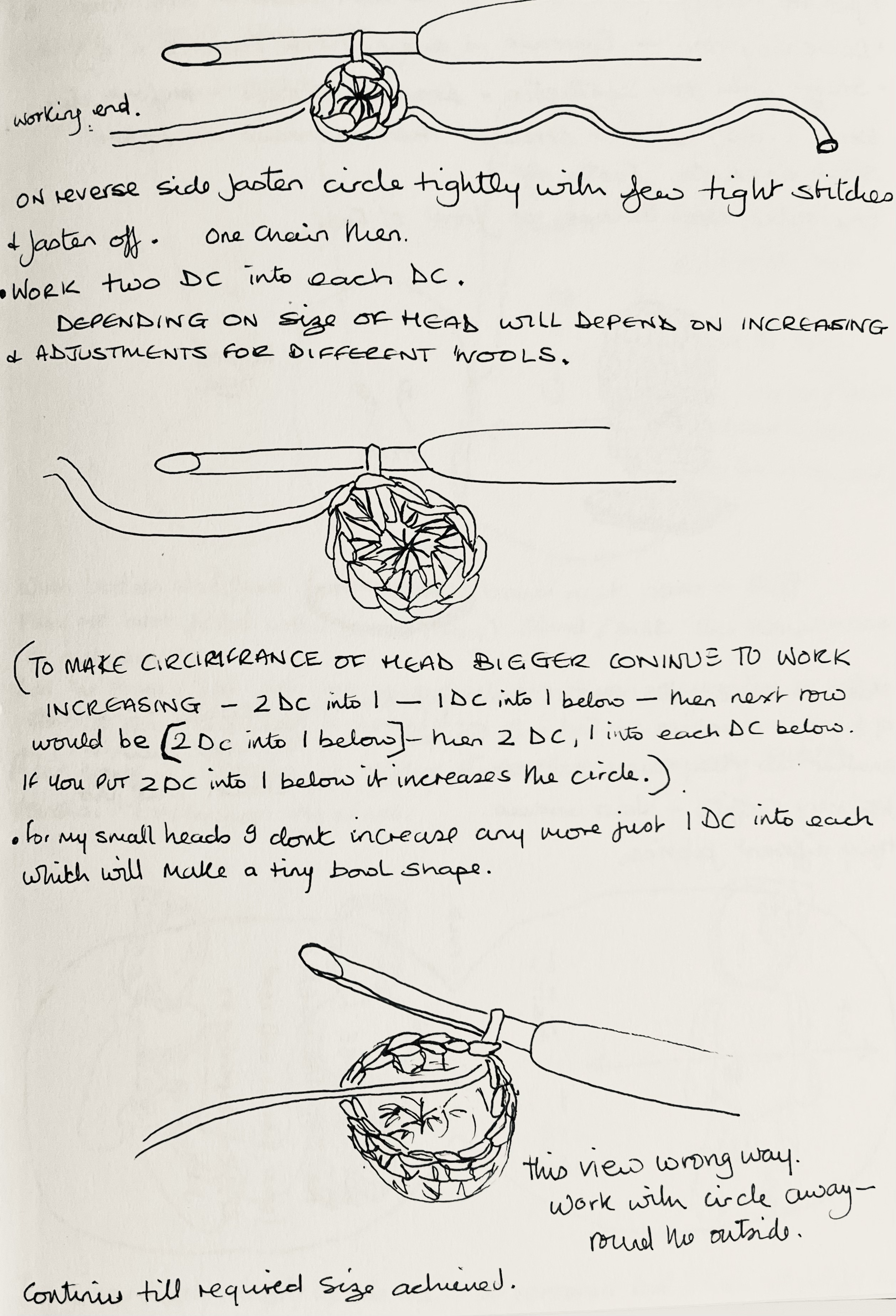
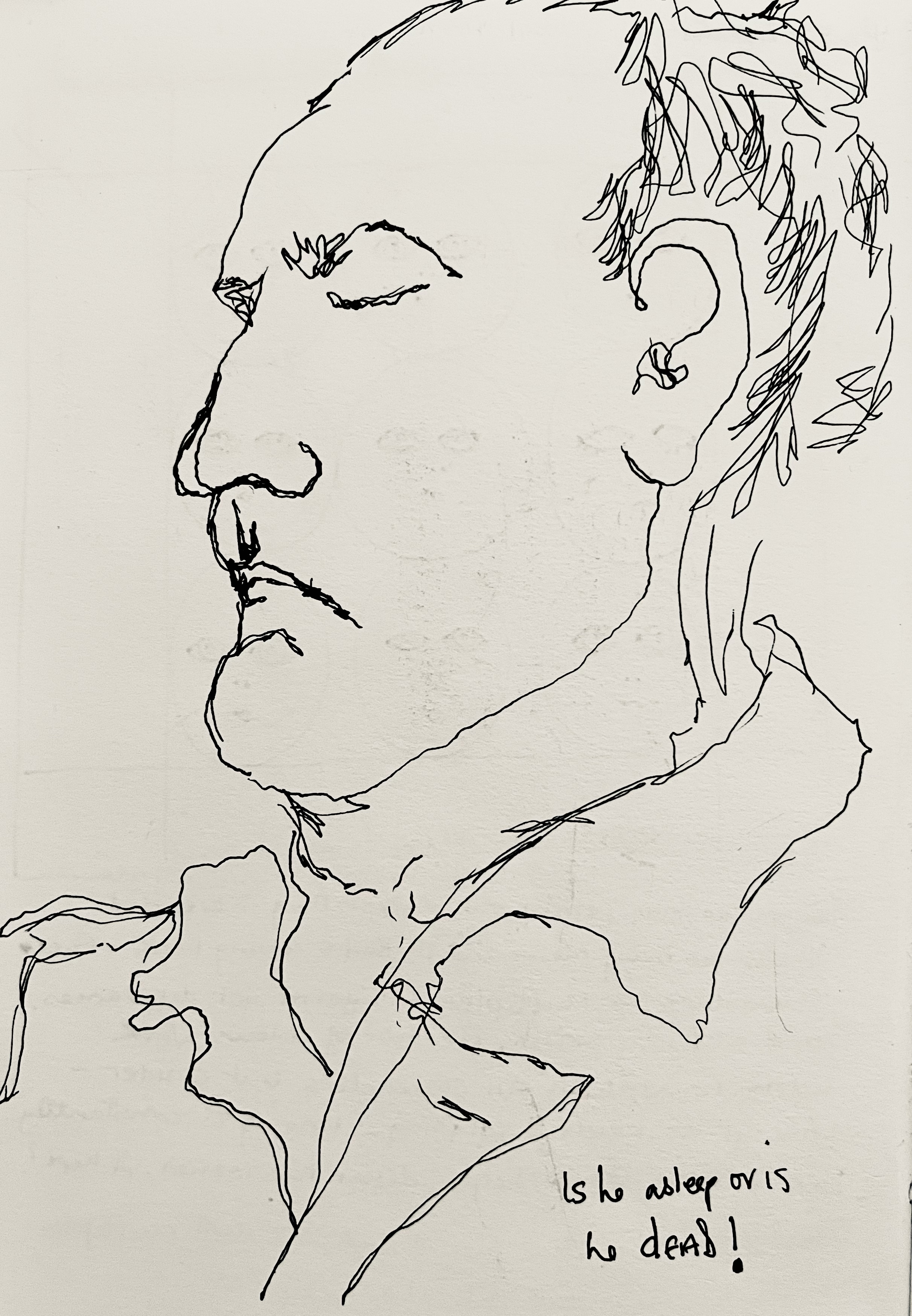
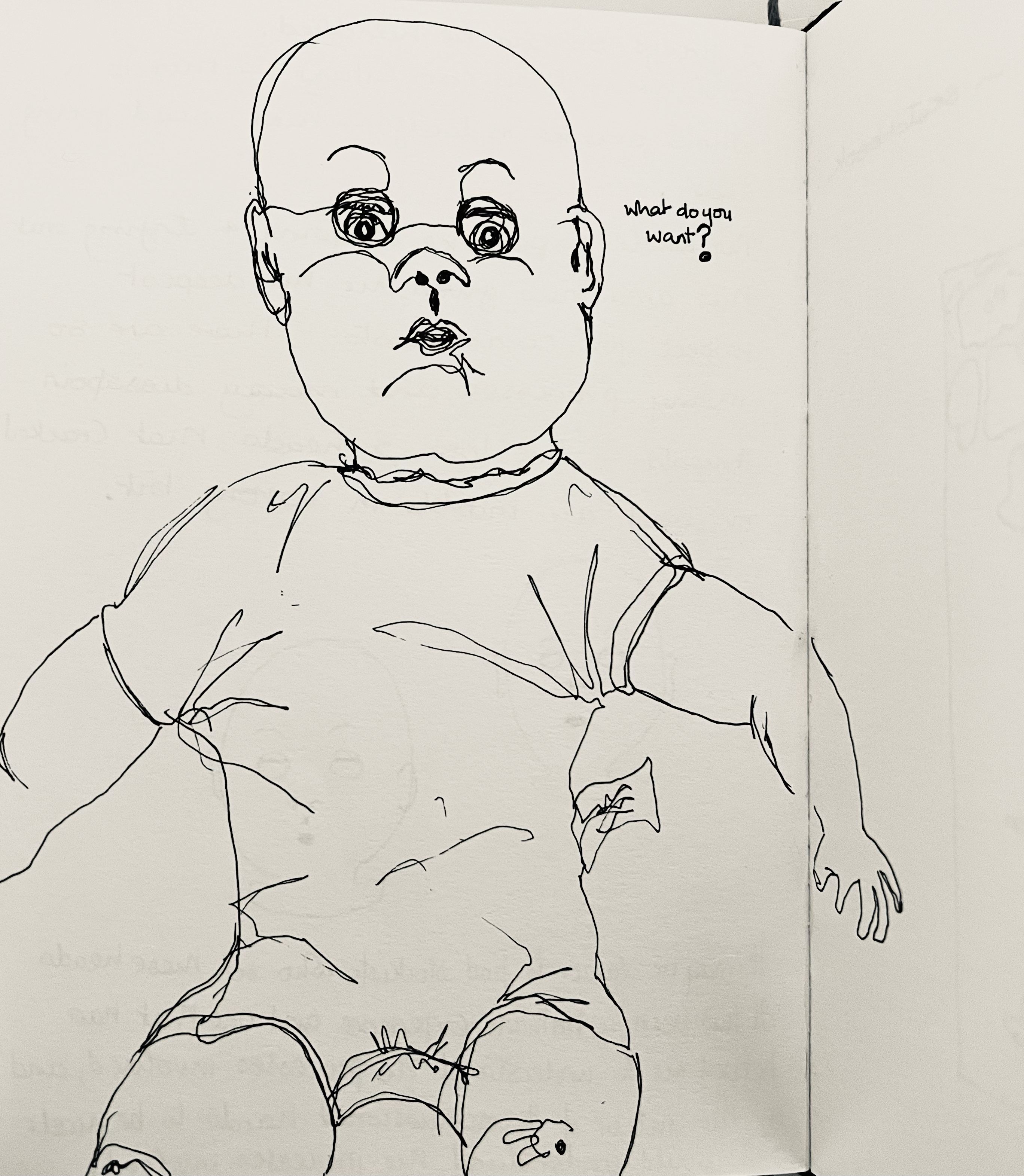
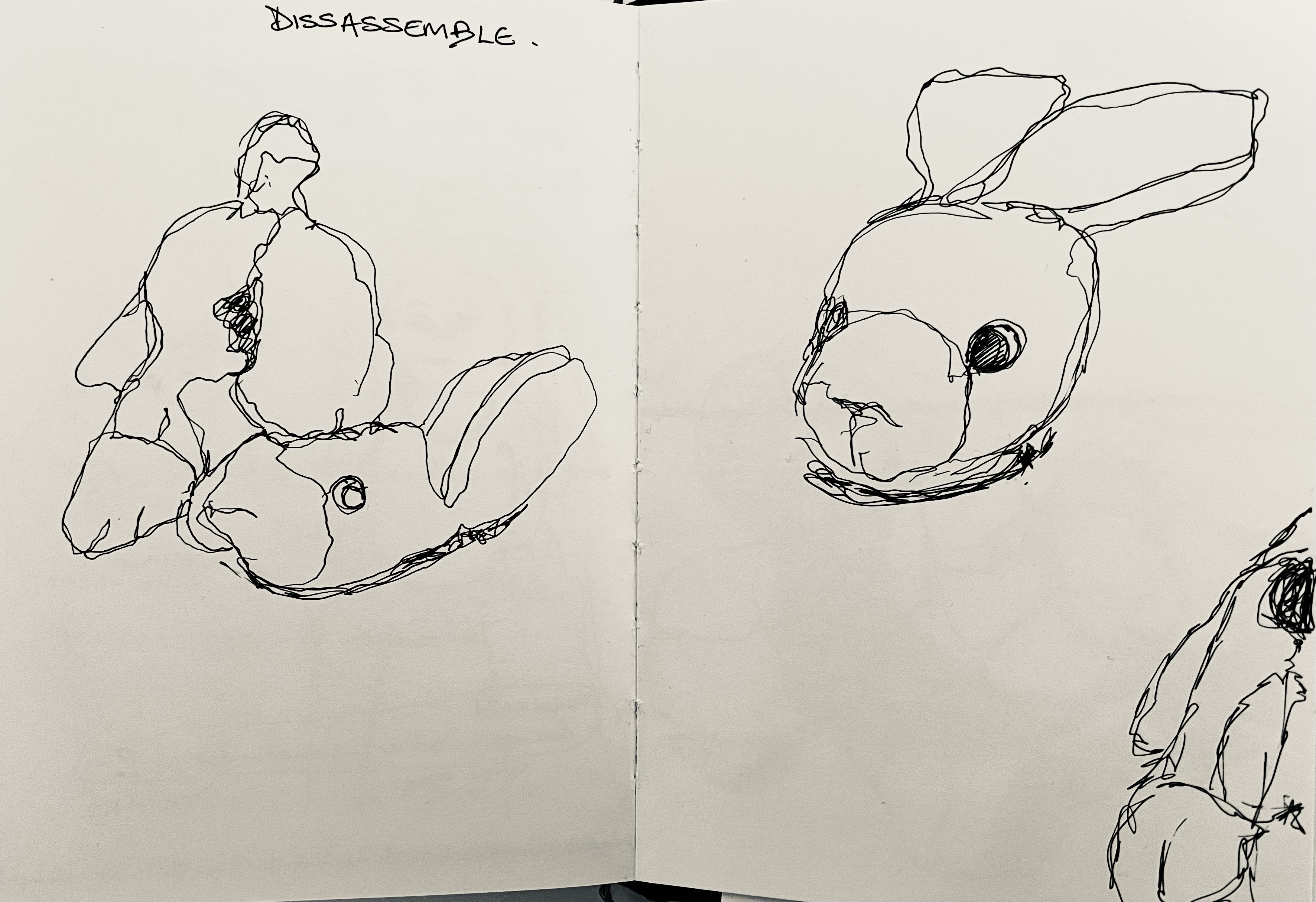
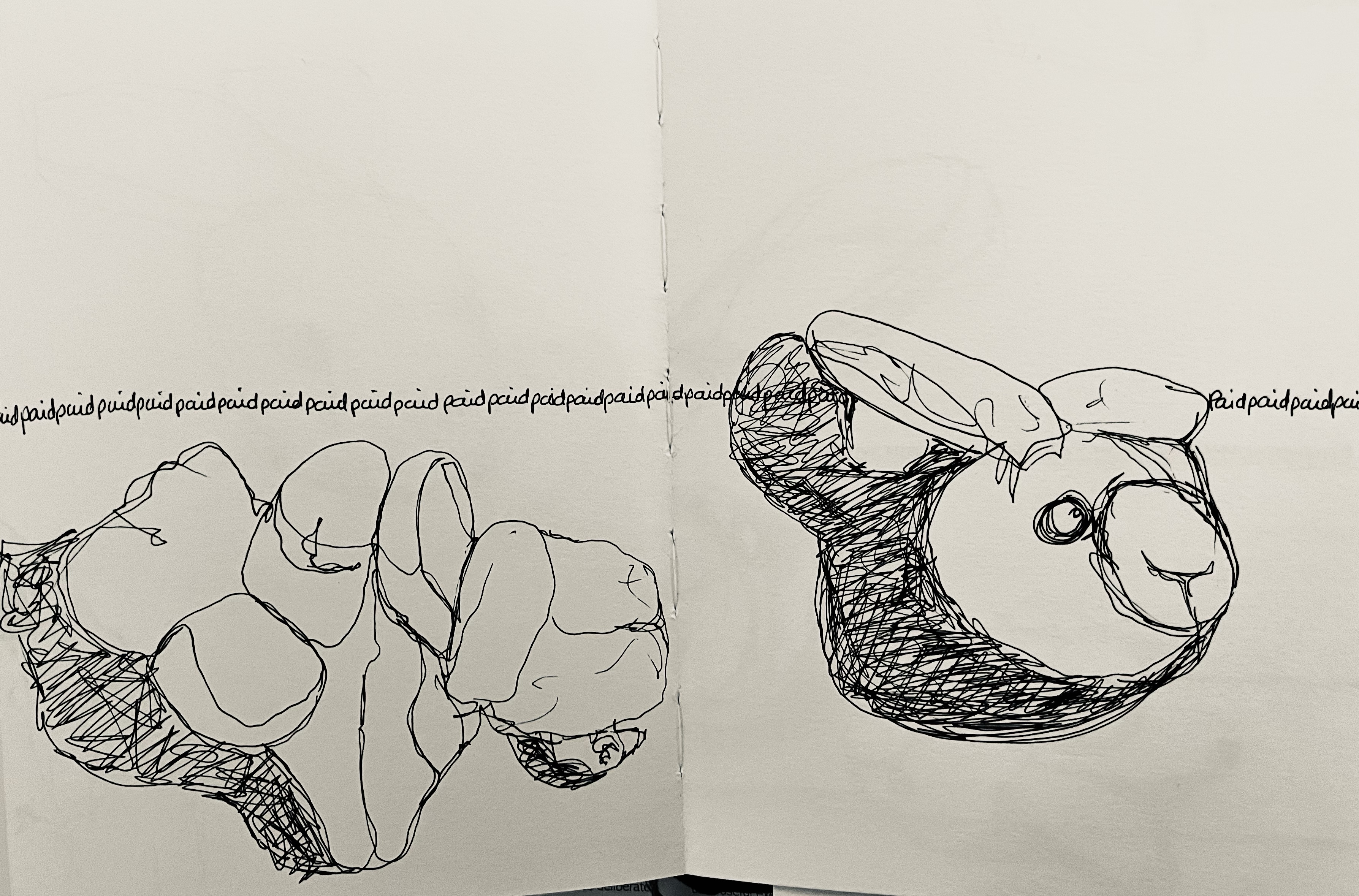
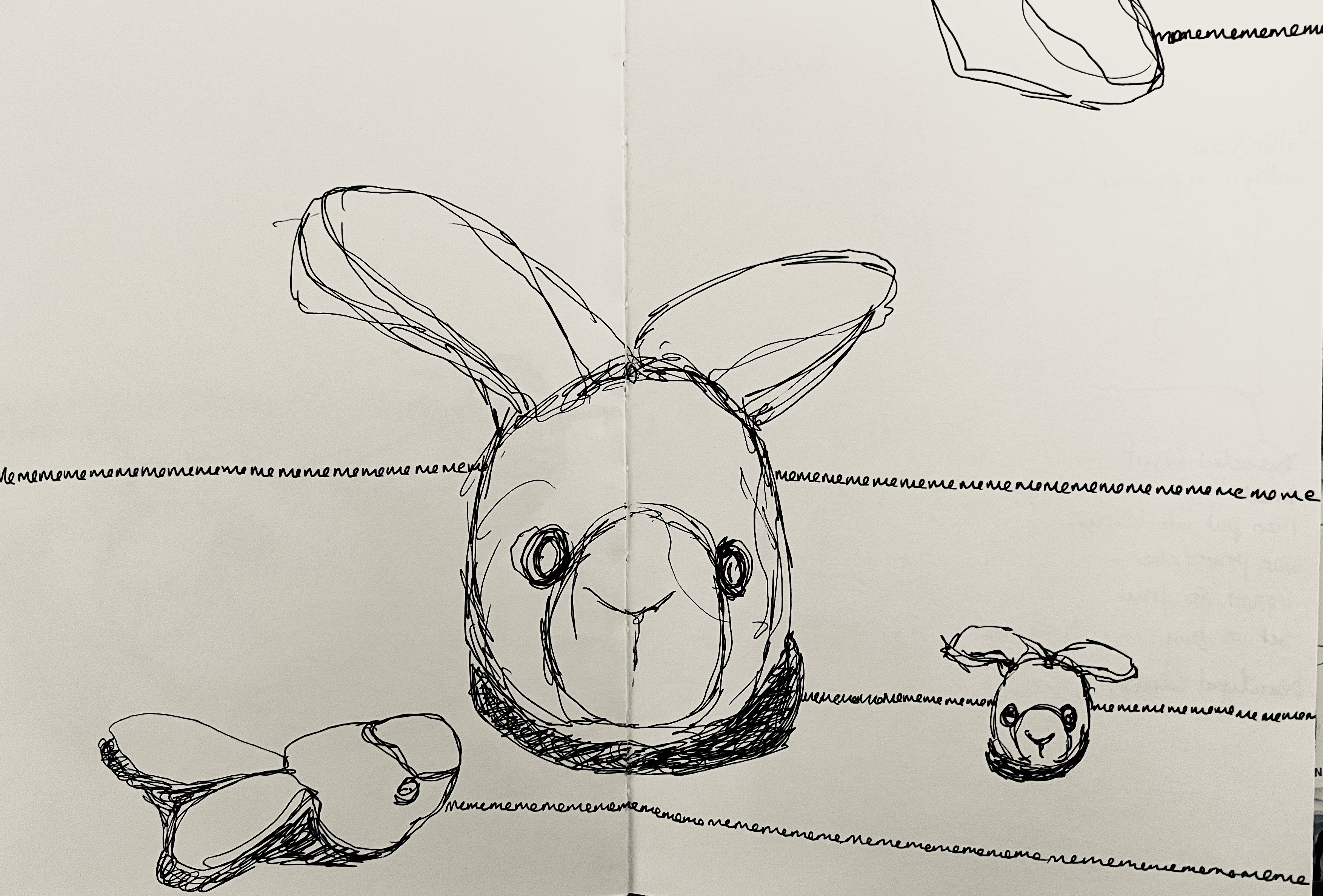

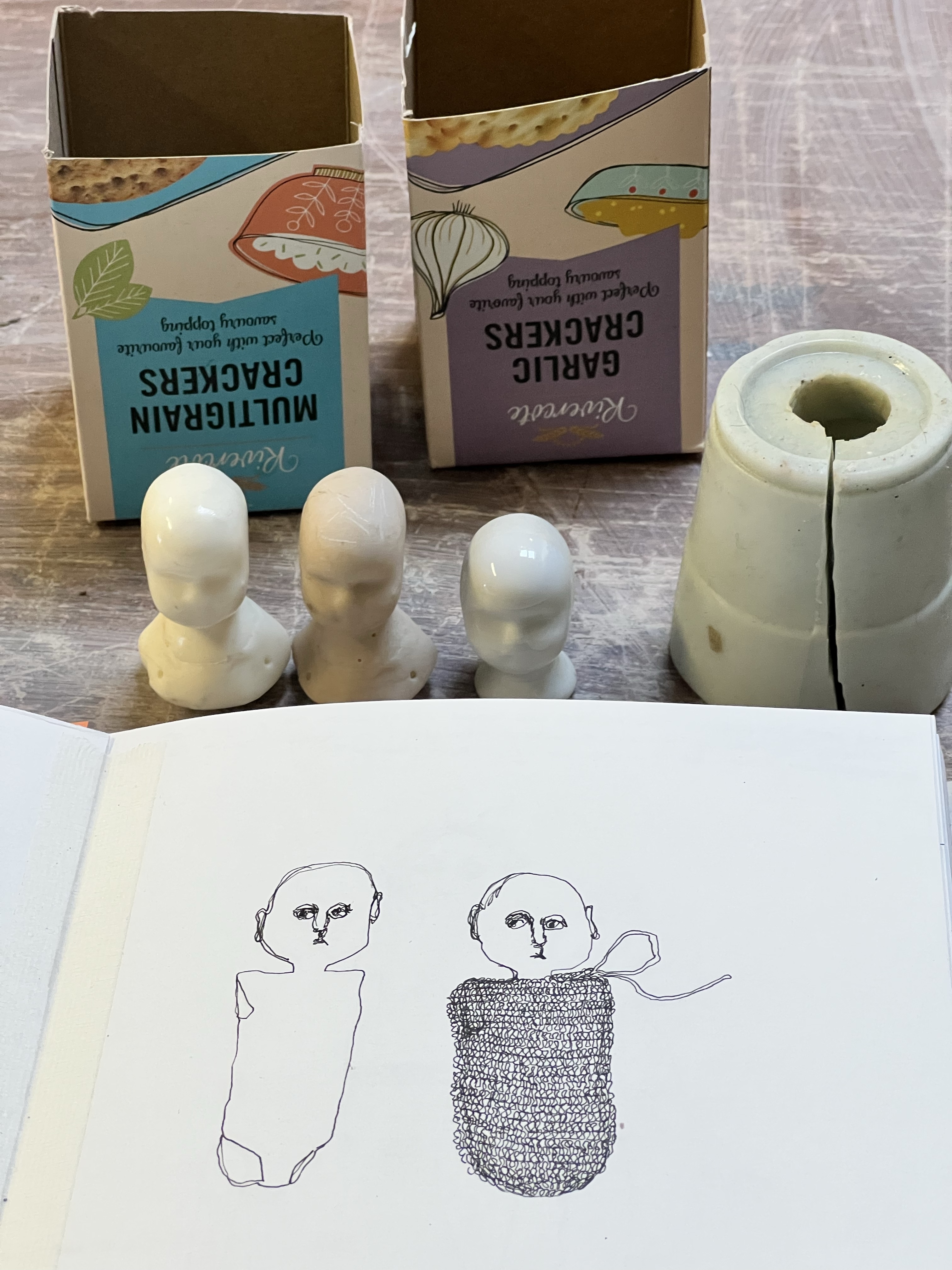
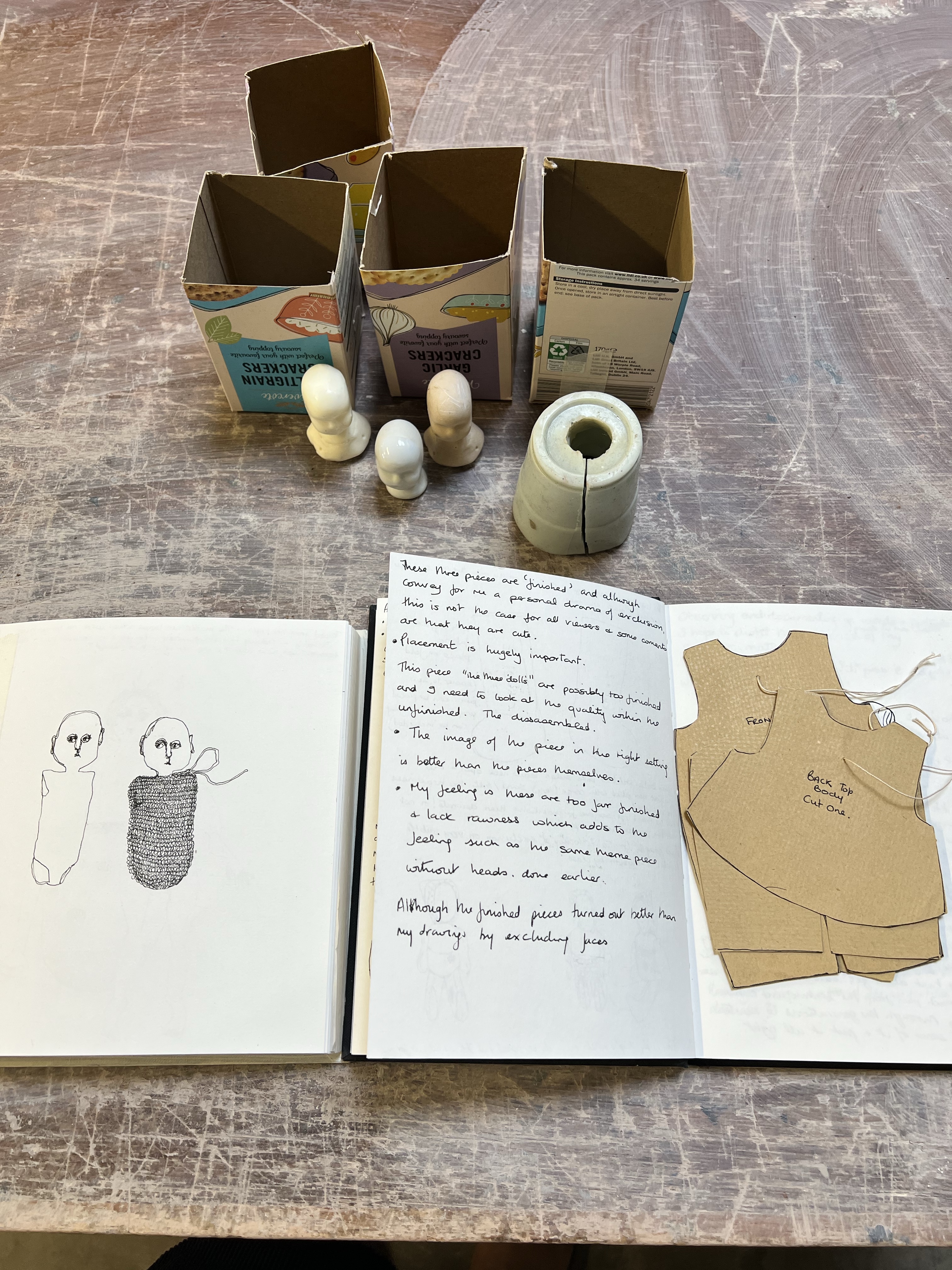
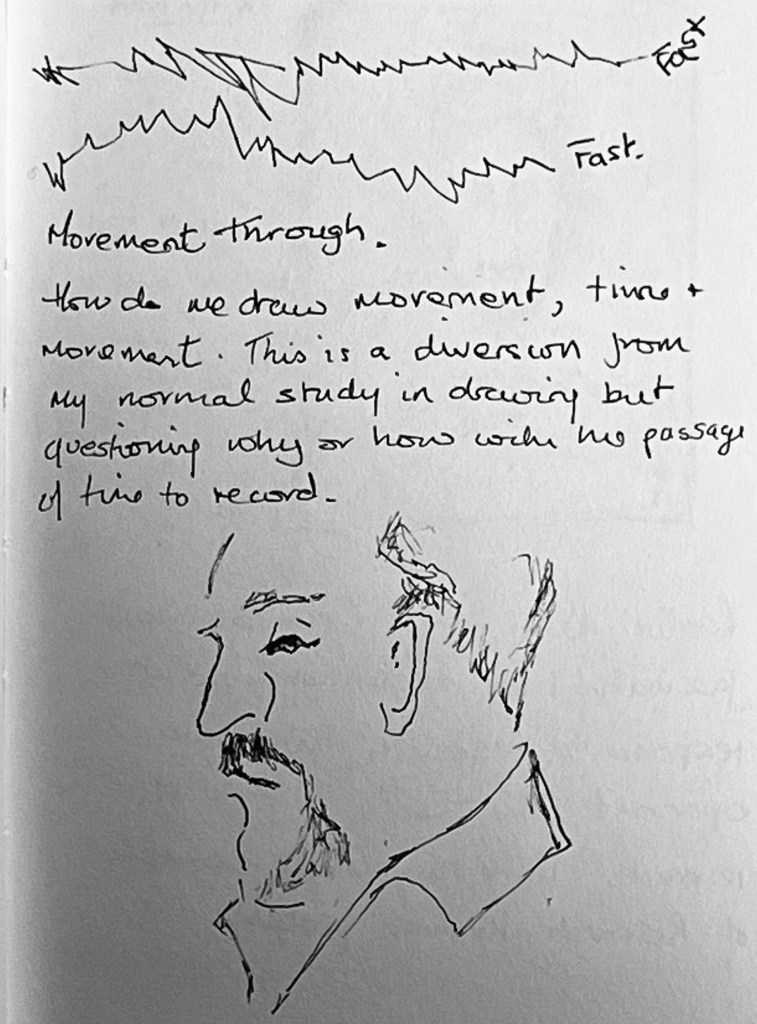
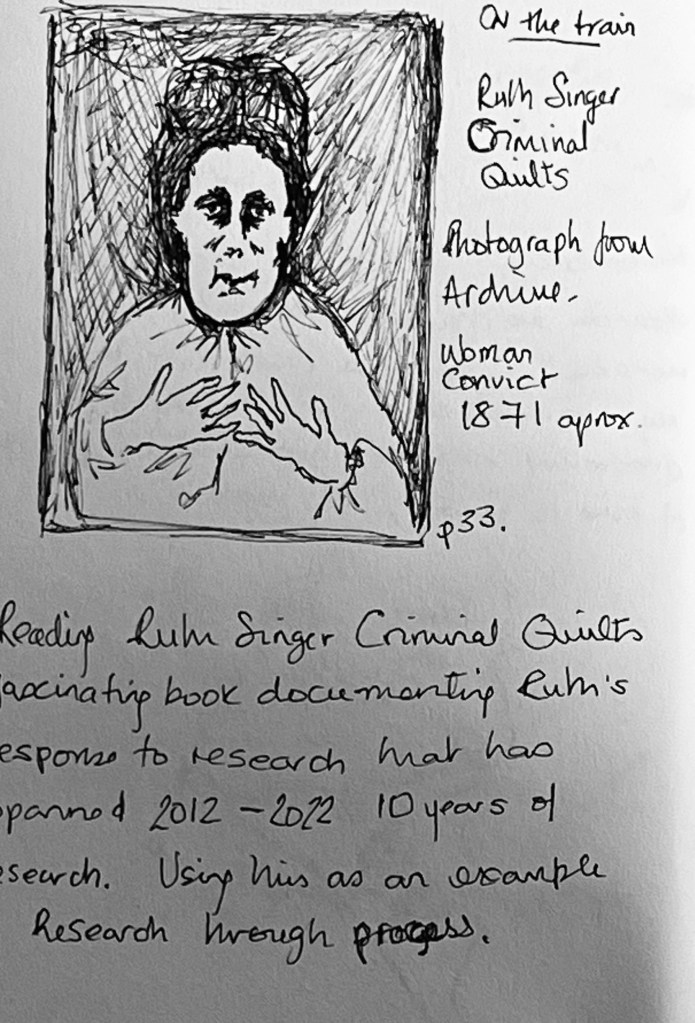
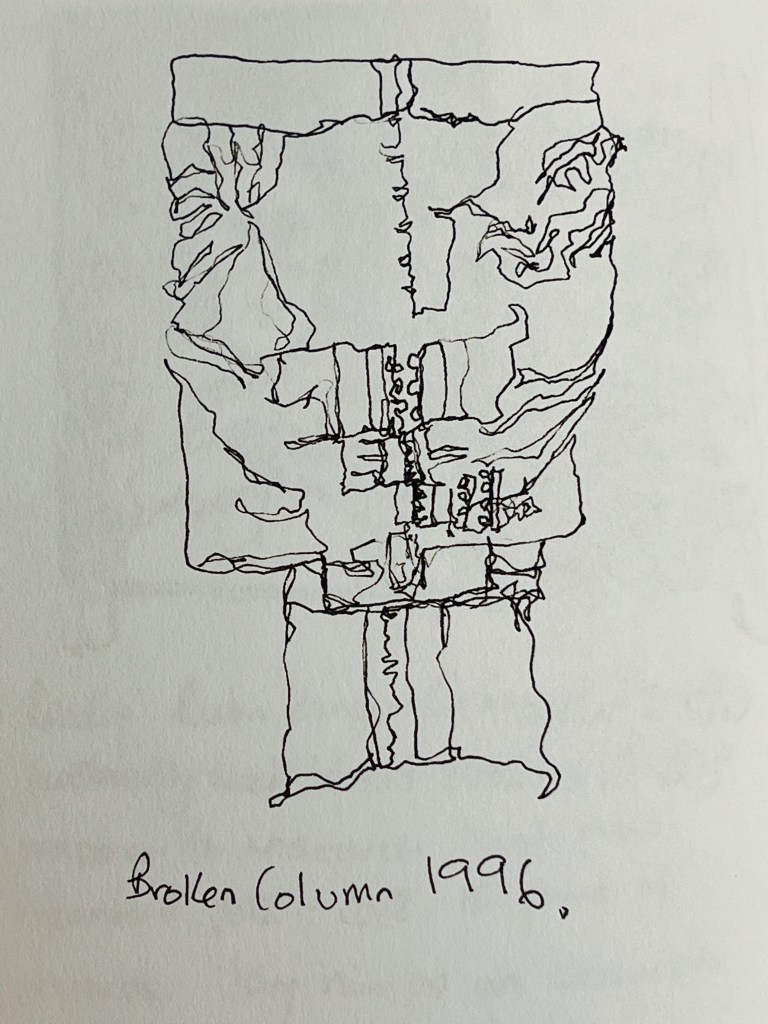
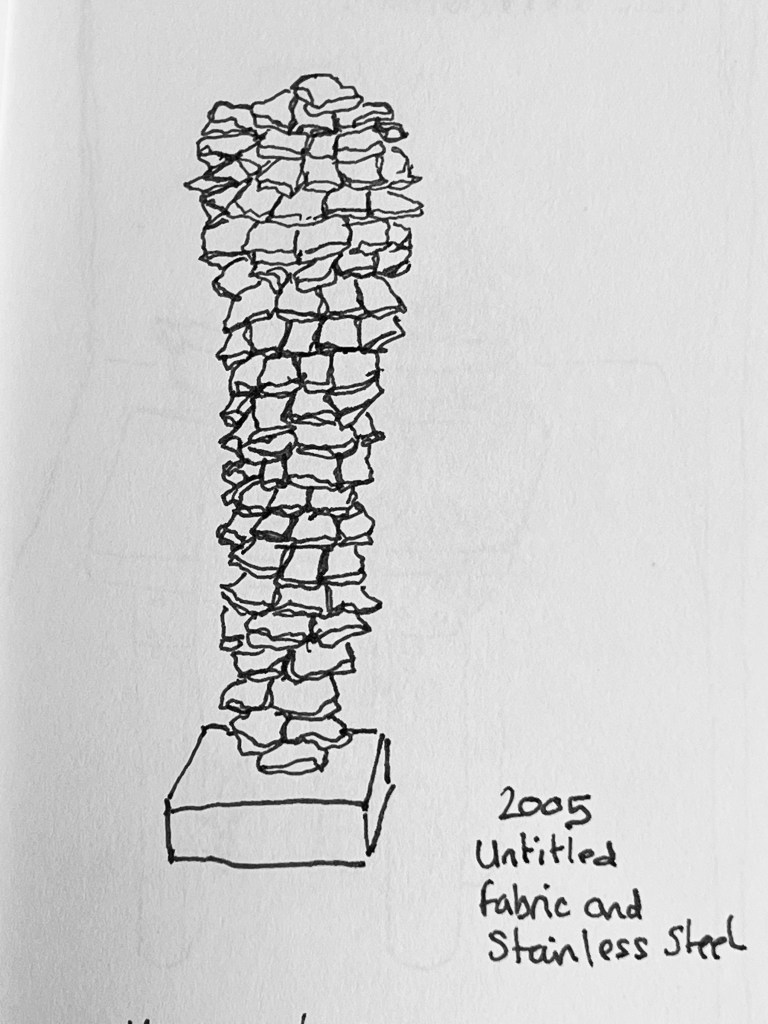

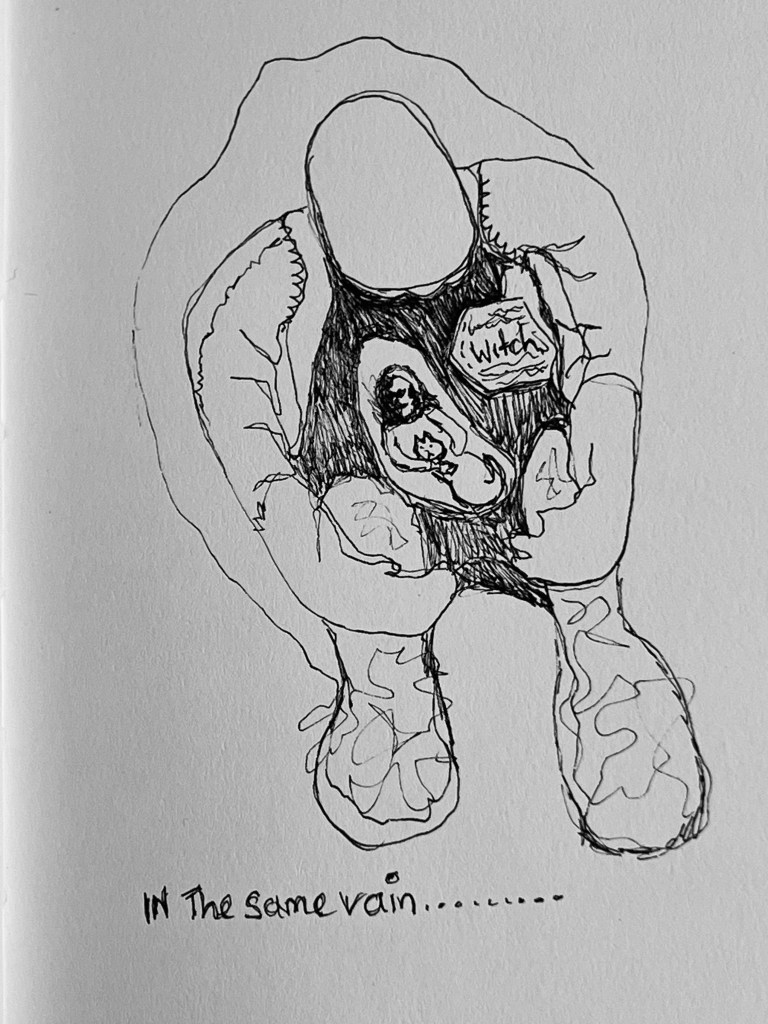
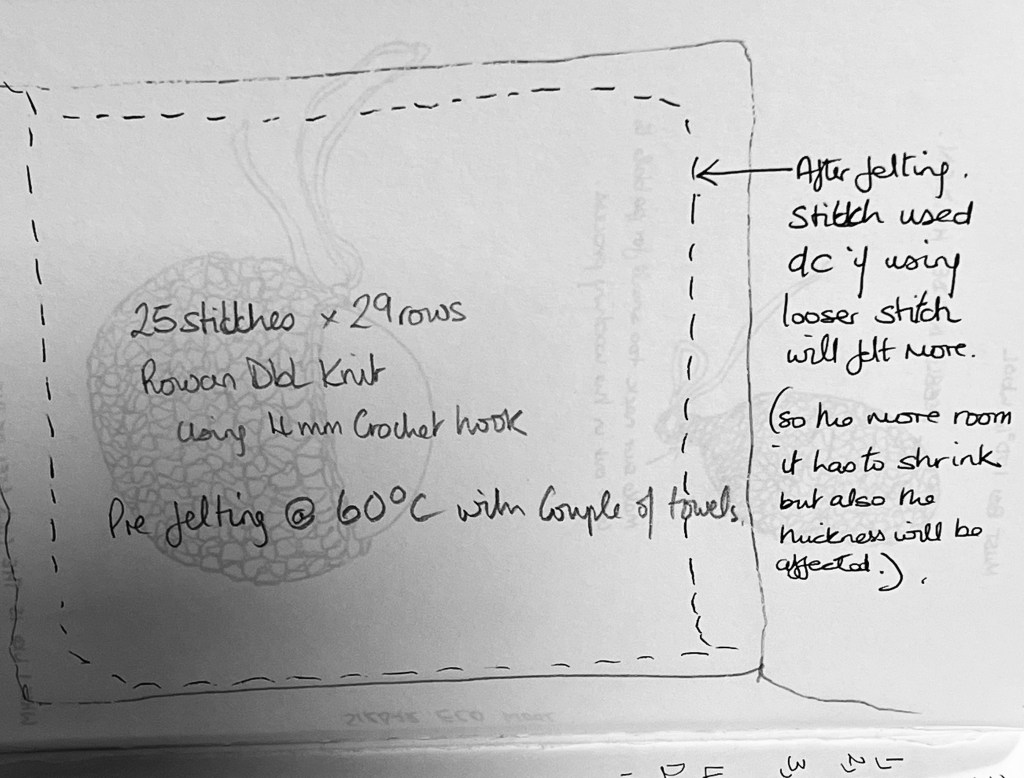
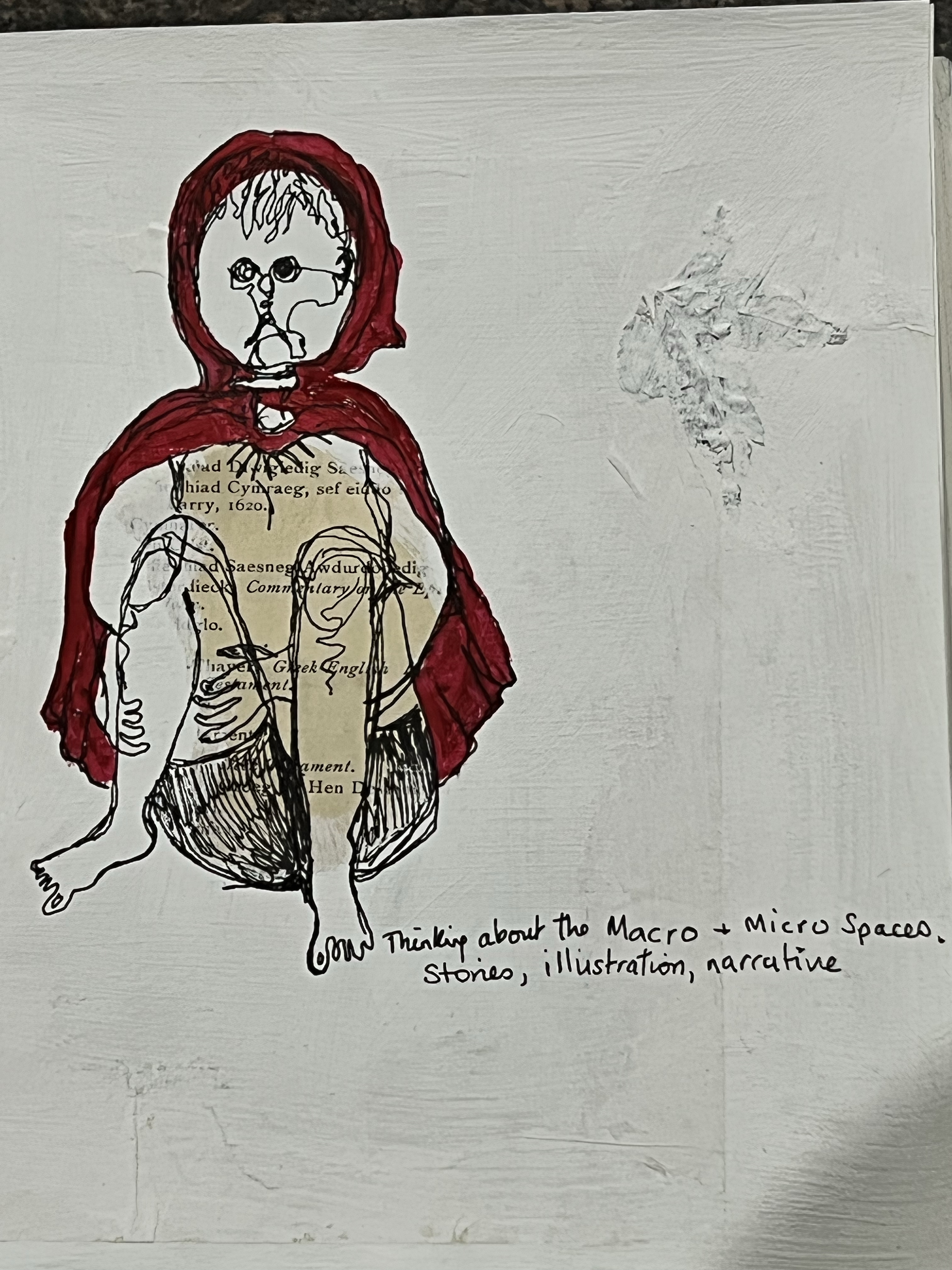
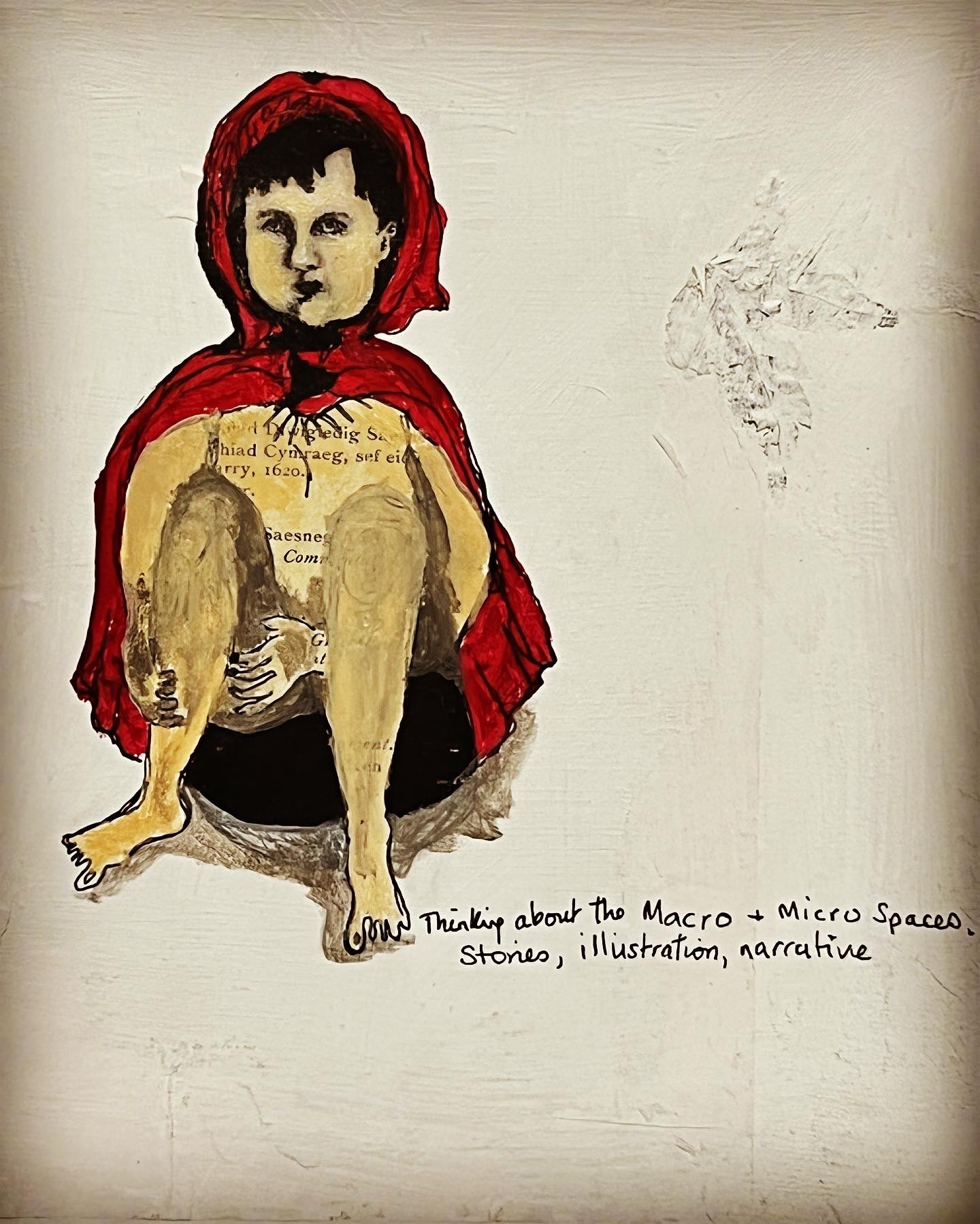


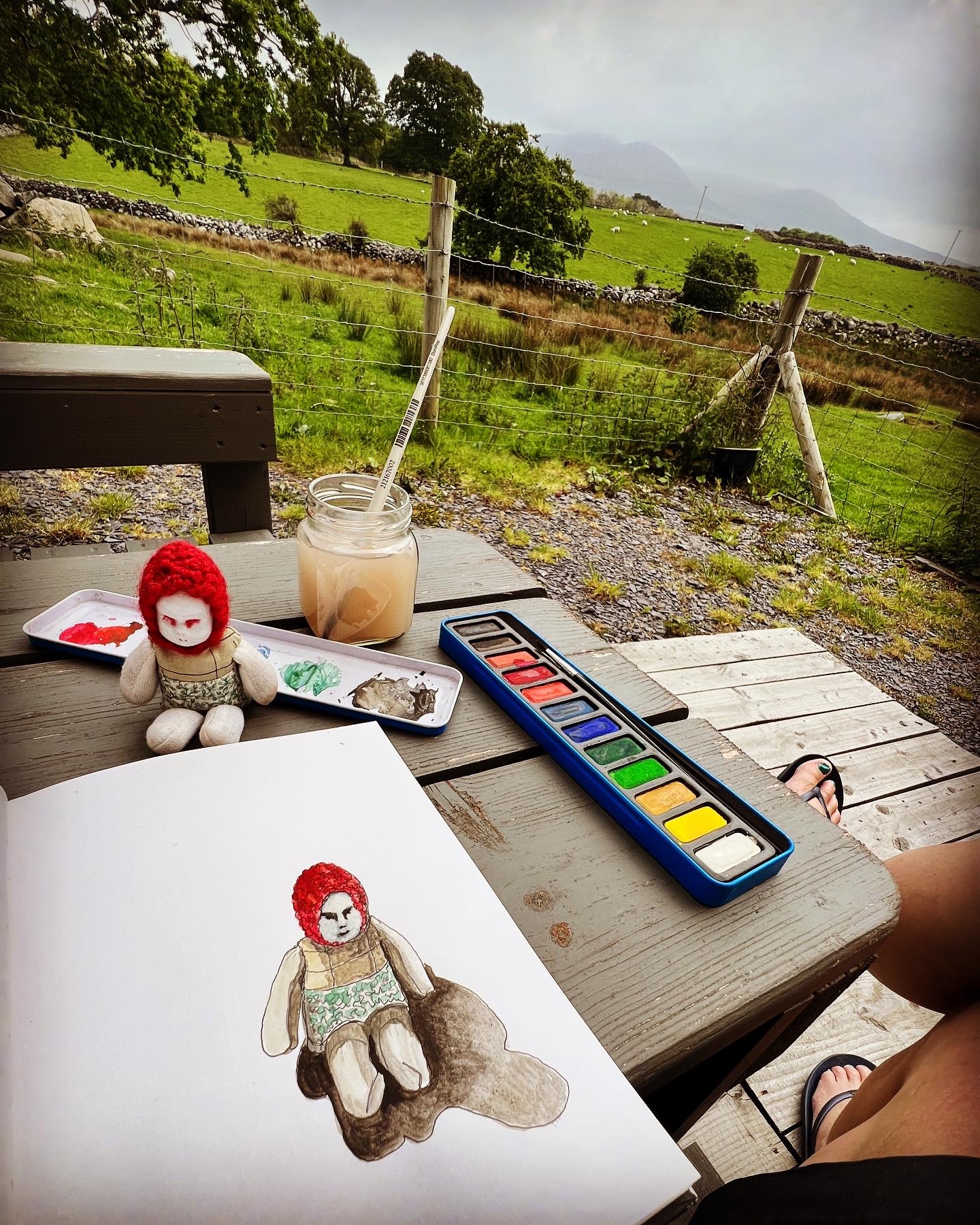
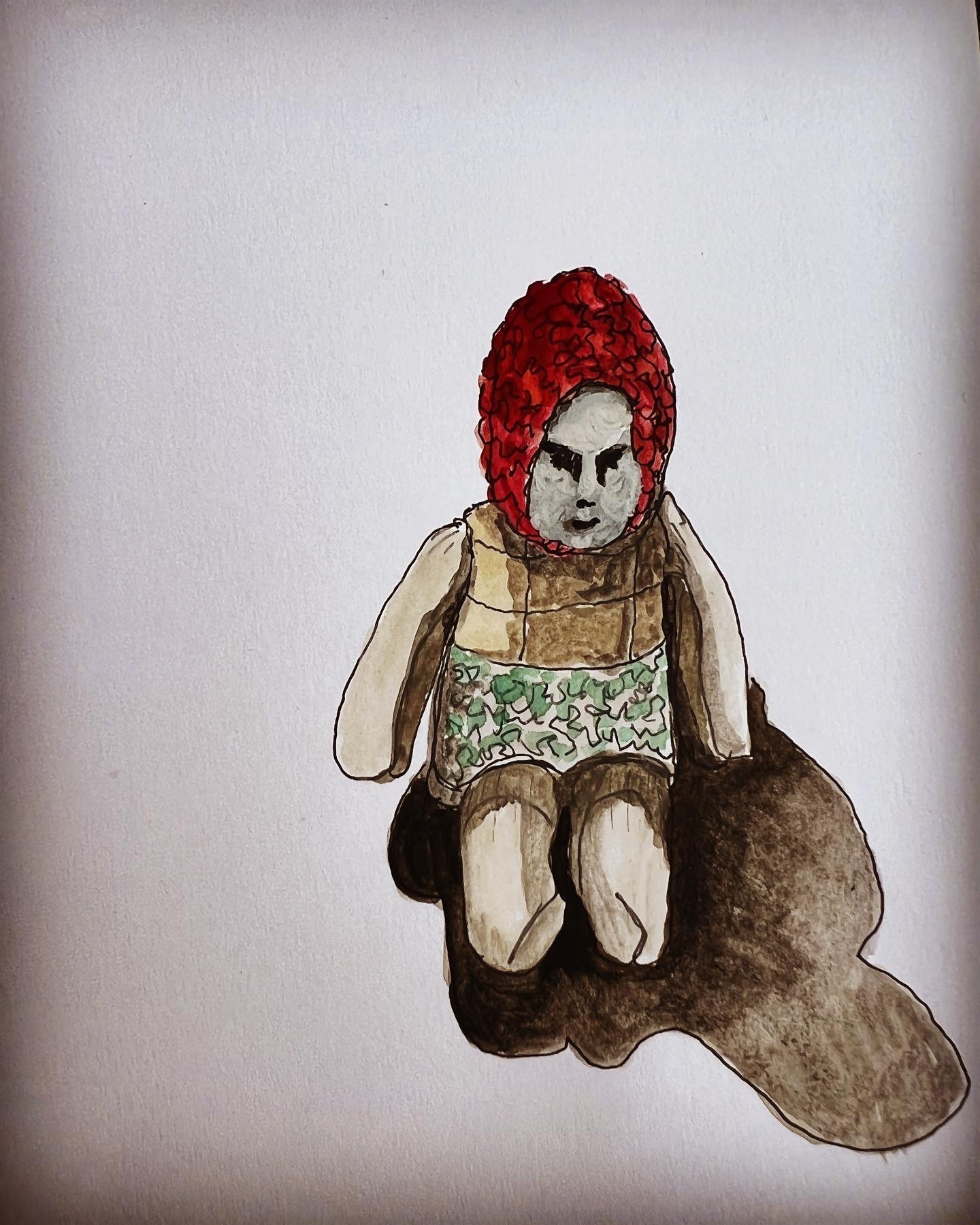

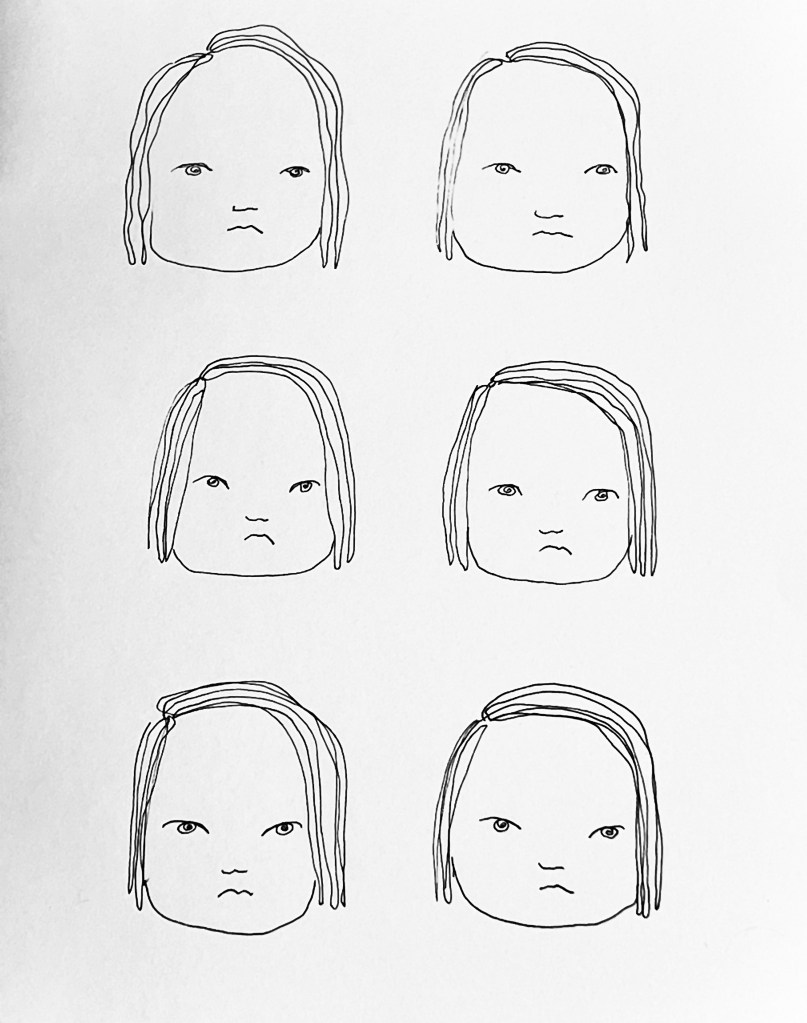
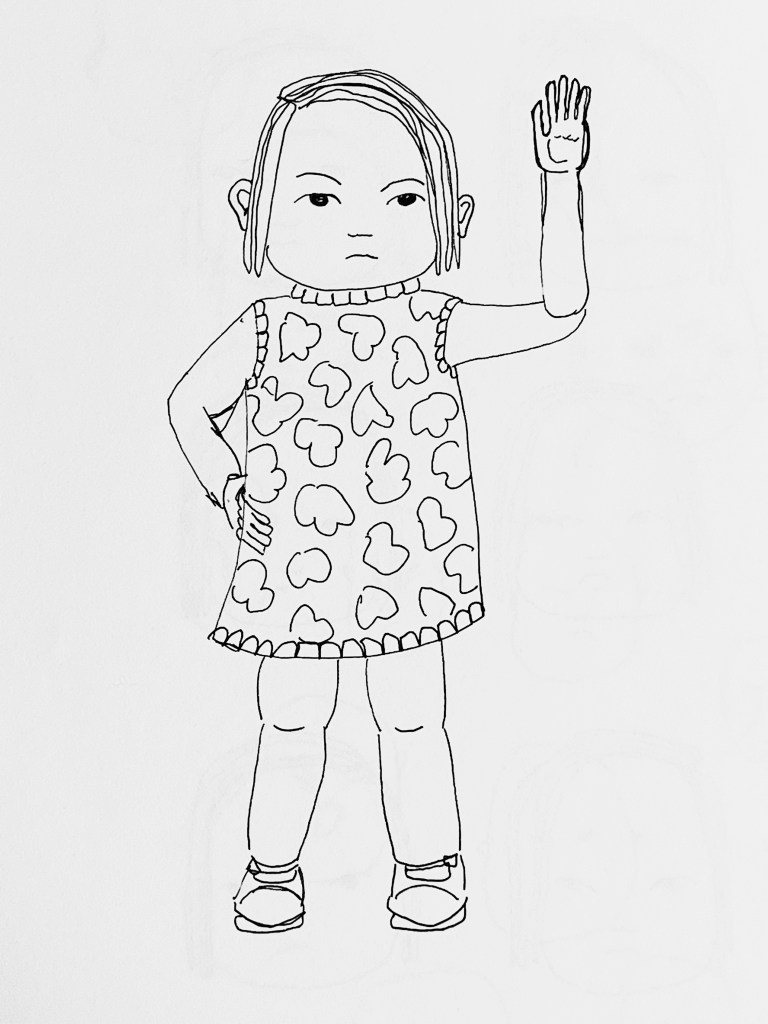
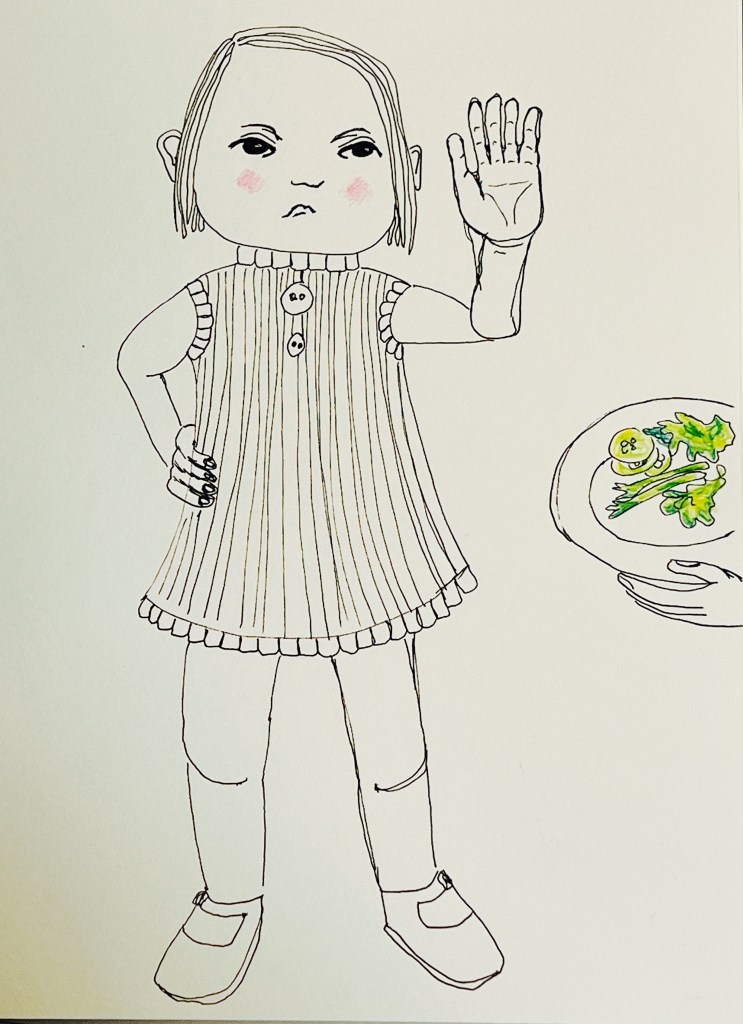
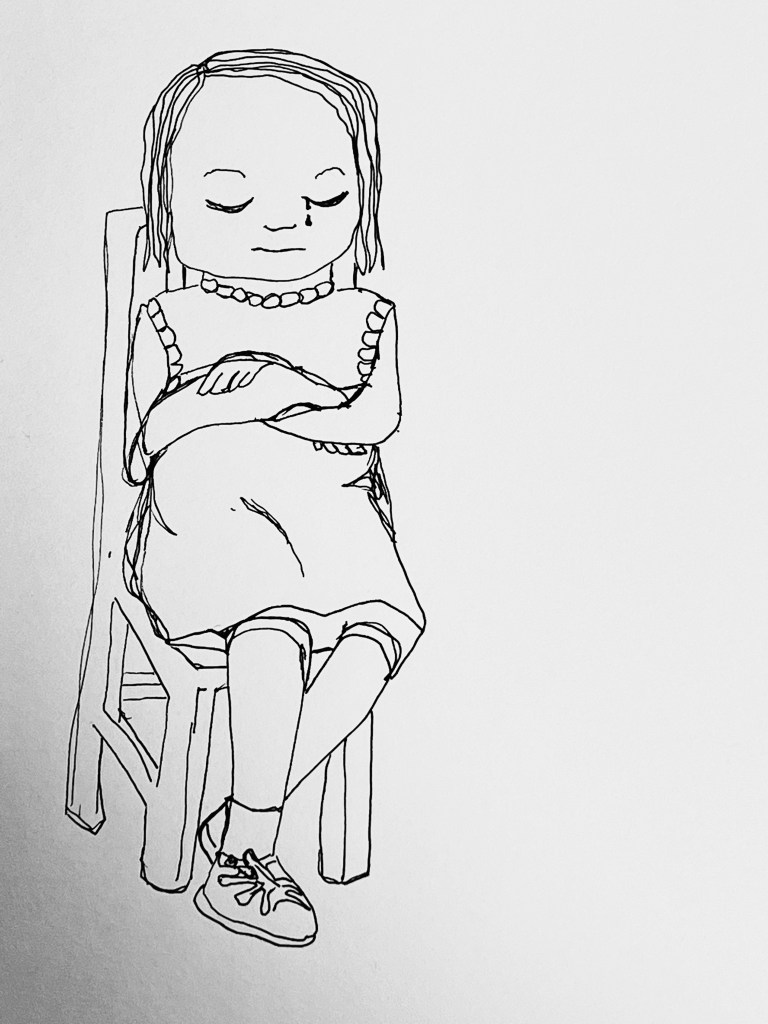


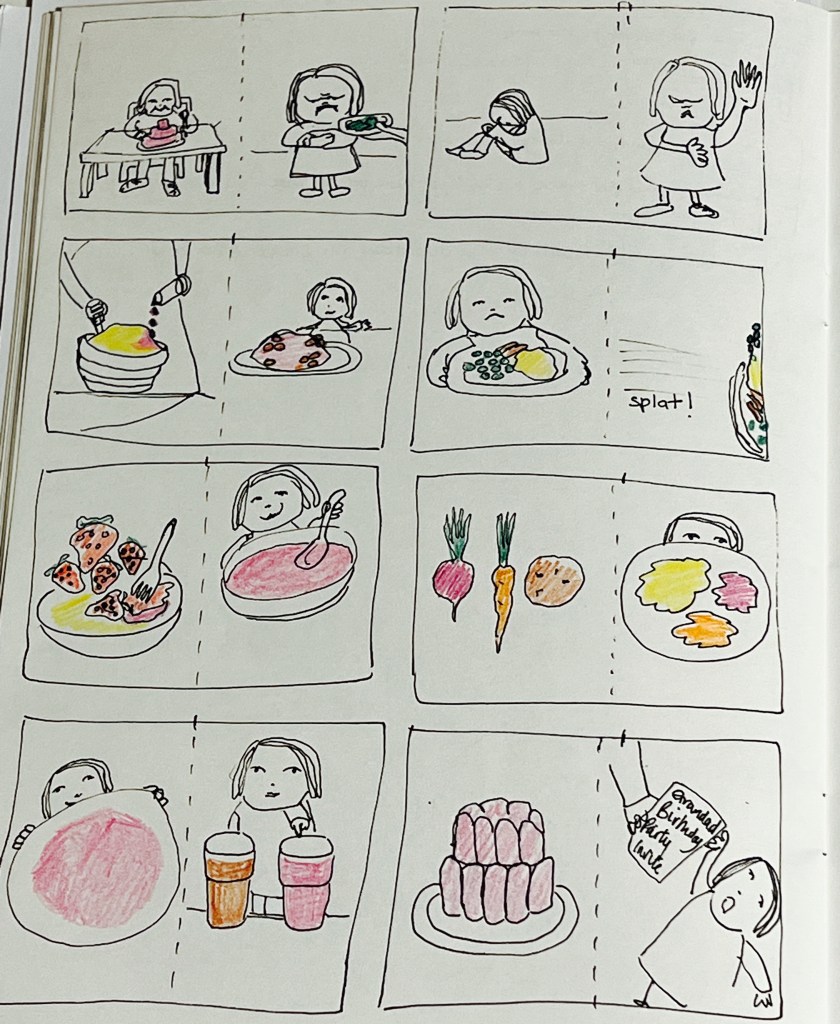
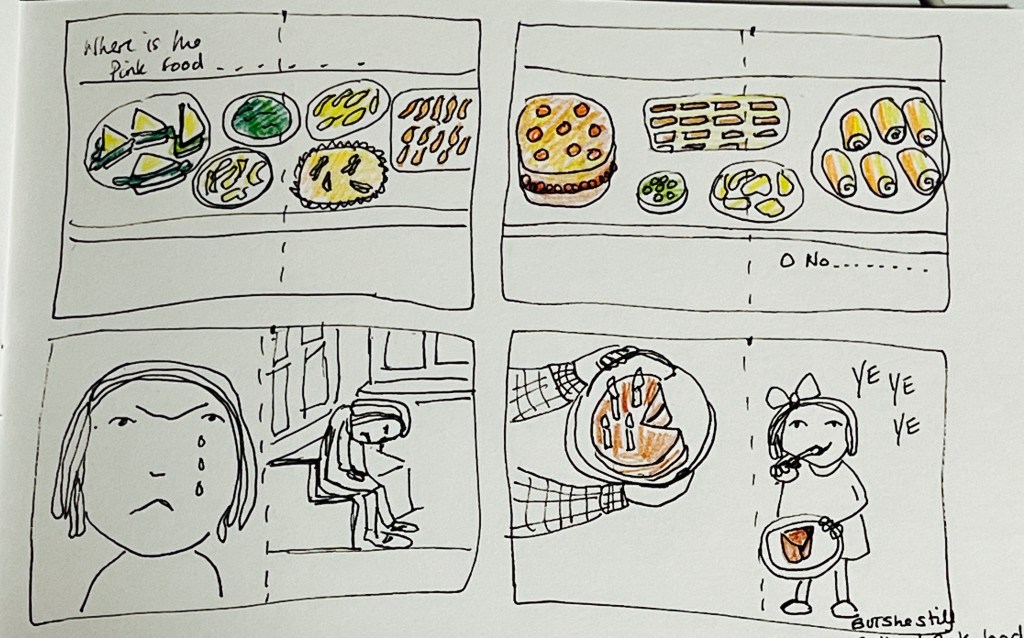
Drawing is an integral part of my practice, it’s not always what I want to share as I see my sketchbook work as my working out, my notebook, my analysing where I am and where I need to go, in this module of creative research I was interested in research through practice more than from other theories and for that research to be a learning learning but also leading to new thinking, new processes, I felt that this was a good way to research, however the research findings were not like those of other disciplines where graphs etc are produced, rather the research findings were, had I managed to visually portray trauma? By making the work, had I managed to resolve my hypothesis, can we heal childhood trauma through visual art methods? My belief is that I am able to, I am able to emotively make pieces of art that tap into that rawness of memory, through my printing, drawing and making figures. This helps me to heal the wounds of not being able to articulate with words the pain of past trauma. My sketchbook is my thinking pad, it works out, what’s what, the sketchbooks I show are not my scribble ones and I’m trying to be more fluid with these.
Reading Illustration research methods by Rachel Gannon and Mireille Fauchon really cemented that idea that my sketchbook is a a way to research. “Sketchbook practice as a way of collating information is a research methodology in its own right”. (page 72) I can see how ideas have developed within my sketchbook but I aim to expand this practice to record as one would use a journal, since coming back to university I have struggled with entering the world of online such as WordPress and although I see it’s benefits and potential, I do prefer a physical record of my workings out, trying to merge both has not worked and within this module I have concluded that they are two separate things. Going forward I will use my blog to show and reflect, I will use my sketchbooks to work out and plan.
 CarysAnne.Art