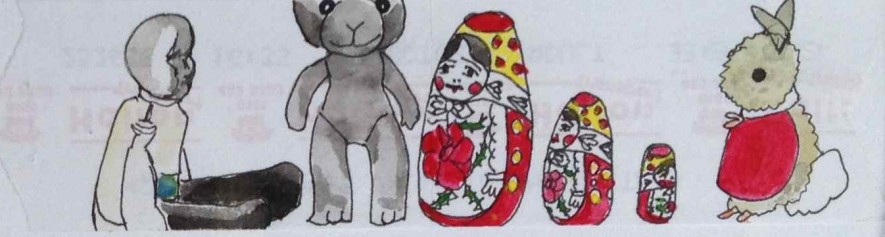
(1st February 2022 and till the End of May 2022)
My aim is to use this page to sum up my overall progress each week, as I see it, with images of works in progress and my thinking, as well as this I aim to write a post alongside which will be my weekly journal of research, seminars, workshops, printing and learning.
I am hoping that this method will help me to collate my thoughts into a legible order, which I felt was lacking in my last module, having only just learnt how to utilise WordPress platform from paper therefore I felt as if my work was everywhere and I could not gain a hold of the order. This led me to repeat work and add items I did not need too.
Thesis research question and area of interest
“How can Visual Art heal memories of childhood trauma” This is my initial question, however It will need further definition and clarification as I begin to unpick the weight of this question, what research areas I plan to undertake and what areas I plan to leave out and why.
My interest in this subject is personal, therefore subjective and could be seen as biased or narrow however, I feel passionate, that having gone through this journey, it is a viable source of complex research. I plan to research multiple views, other artists who have openly stated that their work comes from Trauma, how they have approached the work, is this evident in their work, is it evident in my work without the need for labels. I will lay out my social grounding where my own experiences were influenced by my upbringing and other factors that may have been contributing factors to the trauma that I have then taken into adulthood. There are areas of my trauma that I will not be able to research objectively and these areas will be left out in that they may be referred to as incidents without the details, I am working my way through the incidents that caused me trauma using visual art, ‘through’ the trauma, as I always have and I hope that by consciously instead of unconsciously making new work, that the overall findings from my research will include why certain aspects were left ambiguous.
I am still reading and understanding aspects of this module, however, now that I have started to research, to take part in seminars and workshops on what is Research methods are it has become clearer. What is practice? Why is practice based research so important to me? This module has pushed my boundaries it has made me think differently, I have used methods of research ‘IN’ art or ‘FROM’ art when producing artwork in institutional settings, this appeared to be the methodology. I have always questioned why I work intuitively, my best pieces of art were made ‘THROUGH’ art, as I see it, through art appears to be a way to express your innermost thoughts through the act of making.
This was confirmed for me when my father was dying of cancer, I could not verbalise the pain, but I could make art, the work was raw. For many years after my father passed away, I struggled to tap into this way of working as it would awaken the grief I had felt at his passing, as if making emotive work would re kindle the pain. This is the reason that I have fully accepted that going back and working through making, is a healing process, it is slow but it is nevertheless healing.
Research through practice Ruth Singer (Criminal Quilts)
I joined Ruth Singer’s online platform, Maker Membership “for textile makers who want to be inspired, creative, imaginative and making work with meaning” It is a research, idea-generation and finding your own voice in creative making, it is not a taught course or workshop, there is a monthly series of prompts, ideas, techniques, tips, suggestions if you need them, with much more focus on the meaning behind your work, Ruth guides participants through the way she researches new projects, develop ideas, test and trial things and refine her finished work to be uniquely hers. This is a huge difference from other textile platforms that I have joined as a fact finding mission, the participants are all involved in their own practices and areas of speciality. I viewed the previous monthly zoom meeting, as it had been recorded and this group in a critic scenario, it was refreshing to see this in an online community, sharing of ideas with hints and suggestions given, unlike Textile.org, where you are given a materials list, and you follow the tutor exactly in the chosen activity without much room for creativity.
This is the fundamental difference between these two platforms, the absence of research in the latter lending itself more to dare I say ‘woman’s work’ cross stitch patterns, samplers that follow the pattern and dare not veer from that, I even found the commentator’s both men, on Textiles.org condescending, you were not allowed to enter any part of the site until you had watched all of the annoying instruction videos of where everything was, as if I was not intelligent enough to find my own way around. I have ordered the Criminal quilt book from Ruth Singer below.


Ruth Singer’s practice as I have already stated is research based practice, I realised that I have been following her work on Instagram for many years, I joined the platform in February 2022 for one month to immerse myself with the methods she uses to deliver this platform, to be involved in the research projects and to see how these methods can influence my practice. Ruth Singer studied Museum studies before beginning her art practice in textiles and has combined these two since 2015 and includes her interest in heritage and material culture, they explore human experience emotionally engaged textile making. This is what drew me to her work, the criminal quilts has been an ongoing study for Ruth for many years and I have been interested to unpick her approach to methods of research within this study.
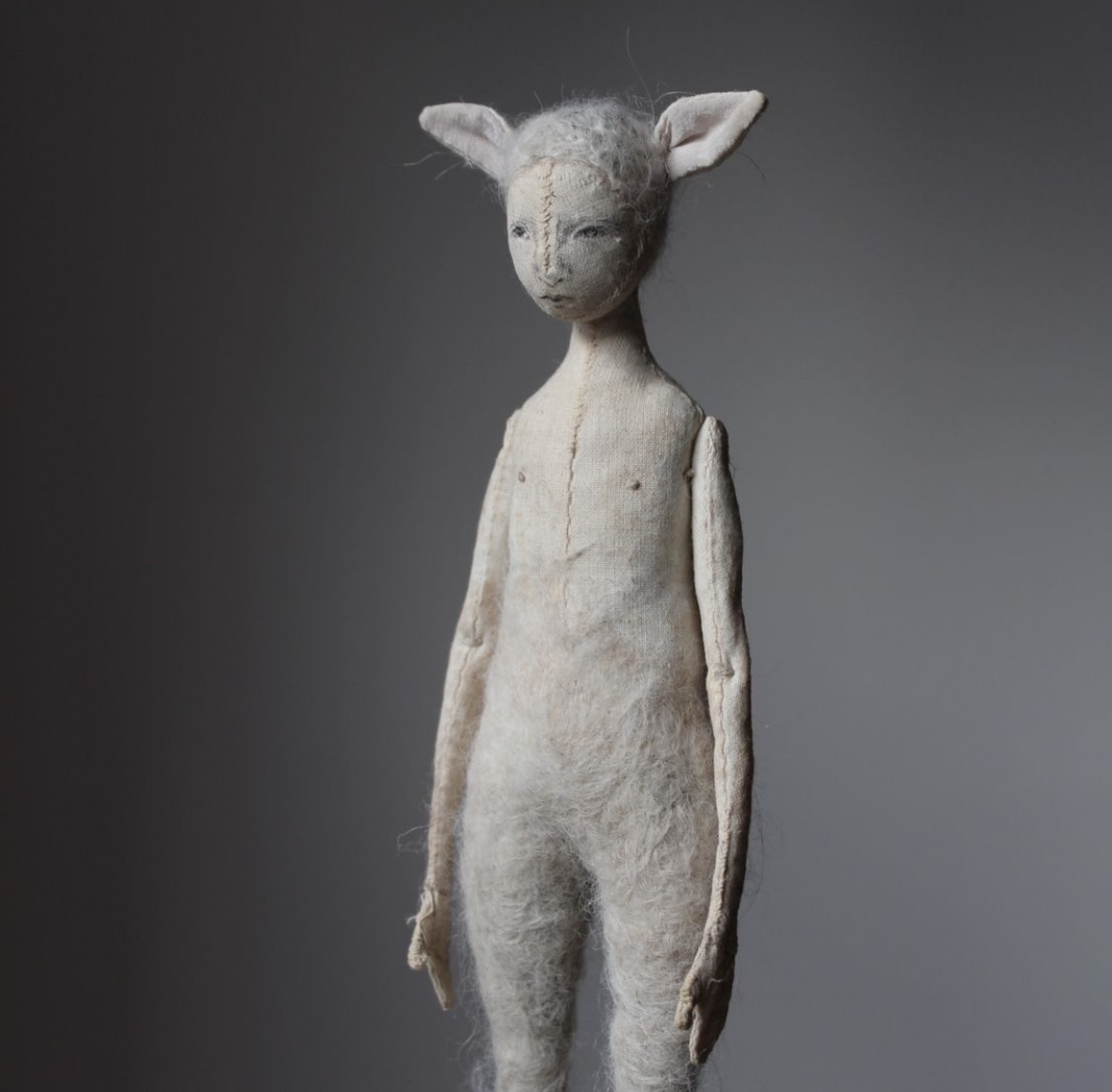
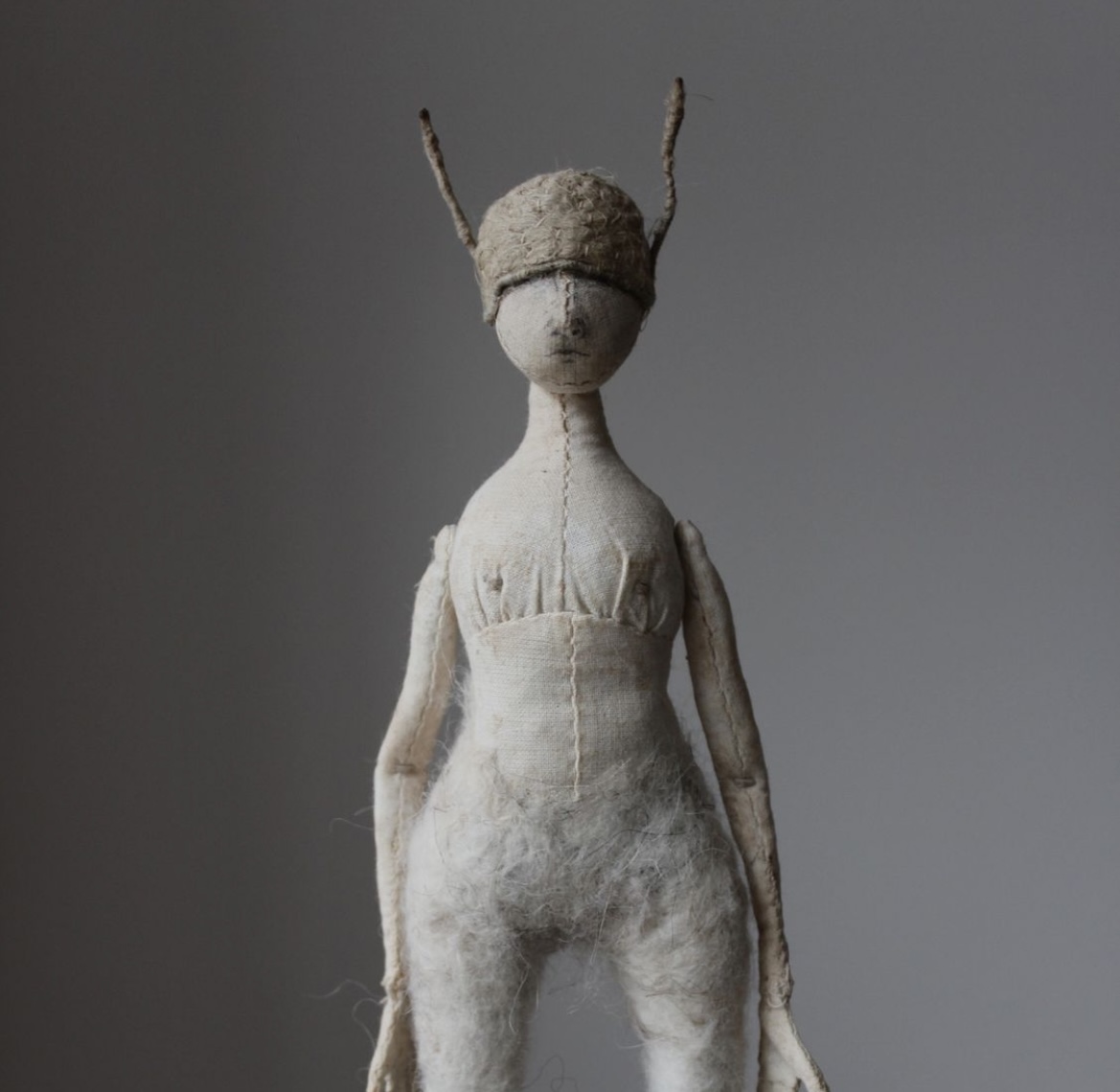
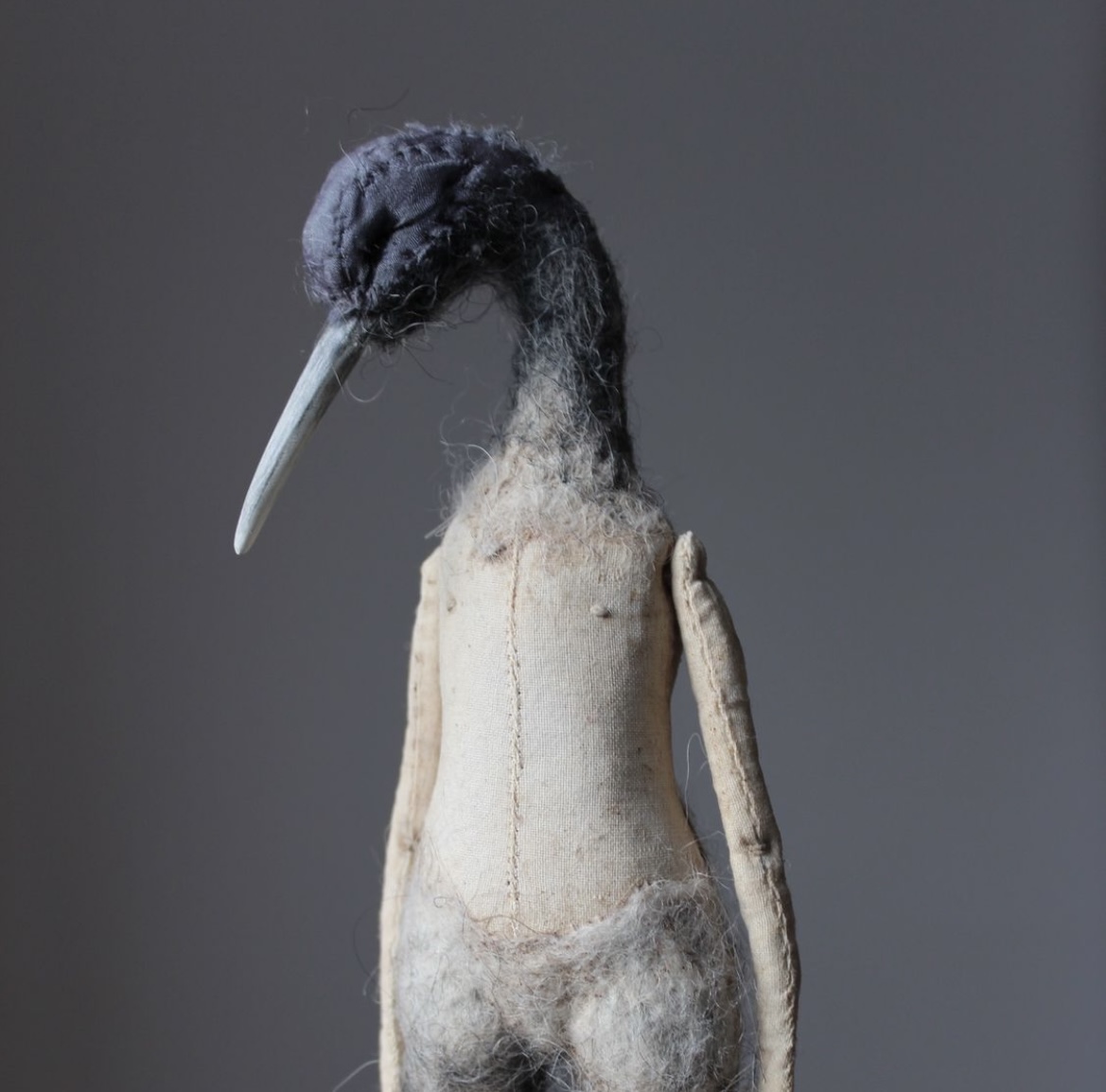
In the same vain as I have purchased two online teaching courses from Johanna Flanagan The Pale Rook, one late last year and one this year, Creative Doll making 2021 and Embracing the unexpected 2022, my intention is always to gain new knowledge, a different way to make, to approach making, and never to make what they make, yes my work will be influenced, but my work is also influenced by art I see, experiences that have shaped me to who I am now.
These figures below inspire me, they are figures that are hybrid human animal, neither, but evoke a narrative catapulting me back to childhood stories of mythical creatures, stories such as the Hobbit, Enid Blyton’s Far away tree, Fairy tales, the Mabinogion all of which weaved a mythical impression on a then shy imaginative child who would live inside these stories.
The Pale Rook, Johanna Flanagan’s creatures:
My artist statement reads:
“I do not belong in any one discipline such as textiles, fine art, print, 3D, embroidery, ceramics, the work exists because I exist and I am telling the story”.
I somewhat still stand by this statement, but I now acknowledge that I am a mixed media artist that will use many media to convey a narrative, I like that the statement though it is a little challenging, it states that I am in charge, possibly, however, my main aim in this module is to find my signature, what resonates with me within my body of work. I have been concerned in the past by the audience response to my practice by placing labels, however, I am no longer concerned. I refuse to apologise for my pieces, they are part of my narrative, I will also not tone them down for selling purposes. This leads me to the other element of this module. Why textiles.
Why Textiles?
Textiles for me has significant meaning, having manipulated fabric from an early age to make clothes for my toys, making and altering clothes for my family as the only means of having access to decent clothes. I have been up-cycling, mending and making before it was a popular trend through necessity.
However, wool and wool blankets, have a significance beyond this for me, from a childhood, often lacking in affection, the only form of consistent comfort, when things were tough, was the feel of a wool blanket, the tactile warmth and texture of the material, the colours of crocheted blankets that our babysitter made, and who at seven taught me to crochet. Later in my life crochet blankets have memories of soothing elderly dementia patients.
As a woman, a wife and mother, I cannot deny the domestic ties of blankets, of cloth, the memory of my children waddled in their first blankets, endless bundles of washing, and unlike some of my peers, I have no material belongings from my childhood, this detachment in itself can be a cause of trauma and has led me to explore security items, attachment theories, psychoanalysis theories, and this will form part of my ongoing research and thesis.
Why Dolls, Toys and Teddies?
For me, this is not easy to answer, my only recollection of owning dolls was when i was older, 6yrs or 7yrs old. My dad did not like dolls, citing them as evil, I do not ever remember owning a baby style doll as such, and my mum does not recall me having one but said that she felt sure that one of my nans would have bought me a doll, I had teddies, I had other toys, I had access to woodworking tools, paint, art materials but no dolls that I can remember.
This is not the only reason I now find myself using dolls, in my practice. When I went back to further education in my late twenties after having a family, my three boys were still in school and finances were tight. Materials choices for me was to make figurative mixed media pieces from toys and dolls, I have always taken things apart, using their components to make new pieces. I see materials through a 3D sculptural view rather than a flat surface. Therefore I would buy toys and dolls, these were relatively very cheap compared to raw materials sold in haberdashery stores.
These had been discarded, people had thrown them away, no longer cherished toys, dolls, teddies and I striped them down to make new pieces. I have tins with eyes, boxes with limbs and cloth bodies. I do not take everything apart, there are pieces that I keep to draw from, these form part of my collection which I keep in my great uncle’s childhood suitcase, that he used as an evacuee during one of the world war’s.
The Task
Module launch began by going over the Aims of this module there are three elements, produce a poster presentation, body of work and thesis proposal. By using social science, quantitive methods of dealing with data to develop my own research methods.
Having spent the day listening, making notes and taking in the aims of the project whilst simultaneously working our how to fit this with my practice. I decided to spend the following days analysing the module, what were the immediate tasks, how is this collecting of research different to how I normally work, I normally work intuitively from personal perspective. “Introduced to key elements, methods of setting research topic and thence developing the findings from which analytical thinking and creativity can follow” this is part of the module aim paper.
There were terms that I am less familiar with, I have highlighted these to explore these terms further.
The first task of this module is to select an article from a current academic publication or through my own interest in contemporary issues select from current publication an article on that subject.
I have spent the last few days exploring these academic journals, I found an interesting article about cleaning Issue 25,
https://www.jar-online.net/en/exposition/abstract/cleaning-progress-line-between-art-and-life
I found this interesting in the point of view that as an artist what do we call art, I found the way she had approached the subject of a seemingly simple task, comparing this to an artistic endeavour illuminating, by asking the questions why, how and physically drawing a line with paper, the way she described how she did not know where she was on this line and at times felt she was on the knife edge.
I found her experimentation stage confusing, she added three more people, however these appeared to be versions of herself, one for research, one for performance of cleaning as art, and the other one to film the performance, for me this element did not need to be added and it disappointed what I initial thought was going to be a very good article.
I did not relate to any of the other current expositions in JAR, I searched the subject of trauma and there are previous papers on these but my understanding is that the task is to find, current articles and at this stage I am not sure If I will need to negotiate this?
The three articles I have chosen so far have raised several questions, the contemporary modes of communicating through the use of medium, art therapy as a mode of self healing, does my use of medium, add to or take away from the narrative, would my art be viewed differently, if I used paint or ceramics instead of cloth.
Does the fact that I am a woman pre position my choices, or do they kick back at contemporary notions of what art should be. Do the methods I use in my practice determine my art as a feminist as well as/or artist who is surviving childhood trauma?
Rupkatha Journal on Interdisciplinary Studies in Humanities
Rupkatha Journal on Interdisciplinary Studies in Humanities is an online open access academic e-journal. It features double-blind peer-reviewed articles and book reviews on interdisciplinary areas in humanities.
I looked firstly at “Art in Applied Dimensions: A Reflective Review of Art as Therapeutic Process” Posted on: December 30, 2021 by: EditorOscar López.
This research paper explores initially the perception that contemporary art excludes a majority of people due to the “exclusive or encrypted messages a privileged group of experts” Oscar Lopez seeks to provide an insight into what he terms “a cluster of contemporary abstract art forms” that are more in line with common sensory and “hermeneutic” experience. the paper discusses Therapeutic effects in Contemporary Art as well as Art therapy to Art Criticism.
I found this paper to lean heavily on Art Therapy research and although what the artists explores is relevant and (in my opinion) interesting, however, I felt that his application of Fulton’s experimental methods on to some young ADHA patients, rushed, there appeared to be only one session, and the conclusion was that this was a positive example of his method, however, I feel it bears no evidence other than his hearsay due to lack of experimentation with other groups, in other settings, that have other backgrounds.
My Chosen paper is:
Embroidery and Textiles: A Novel Perspective on Women Artists’ Art Practice https://rupkatha.com/V13/n4/v13n437.pdf
Embroidery and Textiles: A Novel Perspective on Women Artists’ Art Practice https://rupkatha.com/V13/n4/v13n437.pdf
The paper is by three PhD Scholars, the keywords included, Art, Feminism, Women, Gender, Embroidery, Textiles, Autobiographical Practice. This is an area of practice that I am familiar with, I use textiles, toys, methods that would be considered feminine, I have considered this element throughout my work as a method of executing my narrative.
My initial thoughts whilst reading the paper was that this felt like a familiar argument, having done my degree in Manchester Metropolitan University’s Embroidery degree. I did not join to be an embroiderer, I joined as I saw myself as an artist, drawing was essential part of the practice, the course for me was fine art, and it was hard work, we had to be there Monday to Friday 9am-5pm everyday, it taught me discipline in my practice and dedication to tasks.
I did, however, spend three years defending this point and when I graduated in 2004 one thing was evident, as a woman artist working predominantly in mixed media textiles, I could very well be excluded from many mainstream exhibitions, and that textile art was seen as a feminine material, mixed media was considered to be masculine, if it consisted of material such as wood or ceramic, it was considered masculine and held a higher prestige.
This was 18 years ago, I was told that perusing art in textile could also be viewed as “craft”, not art, lending its material from the domestic, the feminine sphere!
Therefore, when I read this recent paper reviewing this 2017 exhibition, the paper’s paralleled view of this exhibition appeared to raise the same questions, the same injustices as when I graduated in 2004. Initially I was very angry, but then I thought about who had written this paper, what angle were they taking, they had used one exhibition as an example, was it still the case that we have not moved forward in 18 years. As well as this many textile artists now have their own platform and appear to have separated themselves from the main stream, it is an avenue to explore further.
It also appears that textiles can now be split into different categories, Many fine artists now incorporate this medium but textiles also has its own full category, a predominantly female led area of expertise that dominates its area. The Embroidery Guild, Textiles.org formulated by Sue Stone’s sons, a very lucrative platform for anyone to join workshops by esteemed textile artists from across the world.
I joined this platform to see what they were offering. It is a fabulous area for anyone wishing to make textile work that is more or less the same as what is being tutored, I do not dispute, they have top class tutors, textile artists, in their lists, and some of their work is intricate technically brilliant and beautiful.
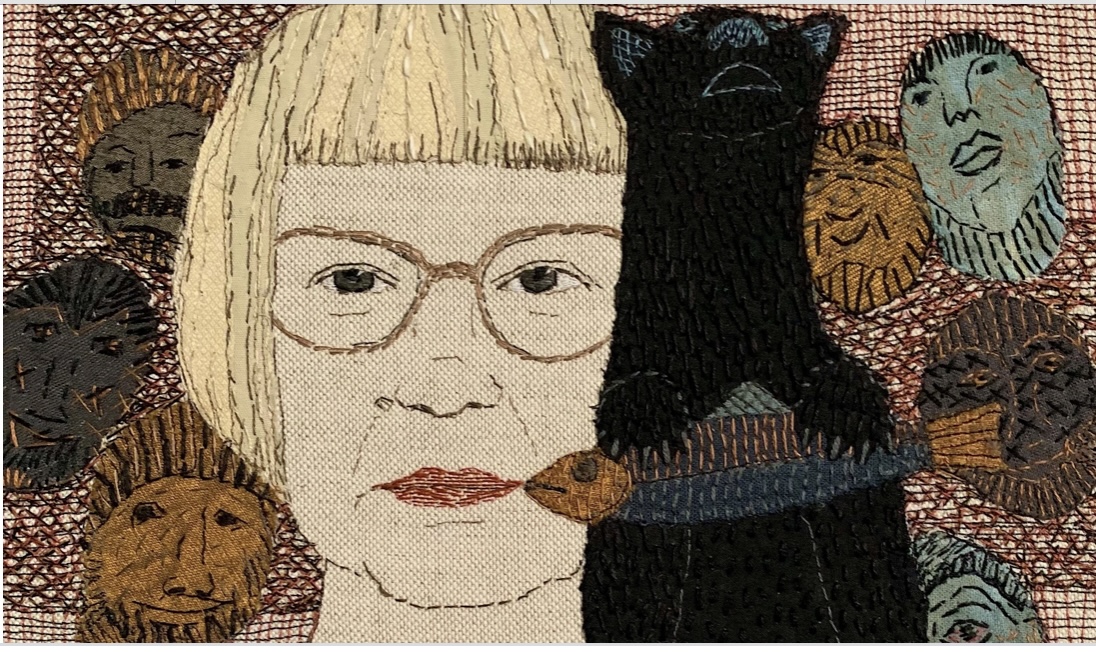
Sue Stone’s stitched portraits are beautifully executed, they are delicate depictions of her family, friends, they show an exquisite skill but would the art-world consider these to be art, I consider these to be art, her reason for making, her skills, her ability to capture the moment or memory she has also publishes several books and is the inspiration for her son’s to set up Textile.org. Below Sue Stone embroideries.

Many of the facilitators work is very well made, several use personal experiences in their pieces, however on this paid-for platform their main task is to teach others how to copy the workshop, there is some discussion on how to take these workshop lessons further, and some of the processes would be an advantage if you were new to textile processes but what struck me was the extensive materials list that one has to gather beforehand.
The online teaching model is do as I do and therefore may not encourage personal development, creative exploration, it has the feel of a women’s institute taught programme where the participants need something to do, it is something that they can discuss within the group.
I am not dispelling this work at all, there are some beautiful pieces made, however, I feel it is a little inward looking, the creators need you to stay as it is a lacerative business model, they provide a highly effective gap for people, especially as it is on-line and as most group’s disbanded during the pandemic. It also provides access to a workshop from a talented facilitator, that otherwise would be hugely expensive. Below is an example of the textile.org facebook advert.
“What does a lowly yellow ‘duster’ have to do with empowering women? A great deal in the hands of textile artist Vanessa Marr”.

Research and how it relates to my practice?
Research from reading the paper, then exploring the issues raised for me, on where women are as artists, this has led me to really think about, where do I see myself? Do I care how my work is viewed? What is the difference between my practice and one of my peers? Does my use of textiles, dolls and mixed media sit me in the same space as Vanessa Marr? What is the difference in her work to mine from the lens of an outsider? Would my practice be viewed as textiles, domestic feminine art?
I have never considered that my work is not art? Having been brought up in an artistic household, both parents perusing their creative goals, many of their friends were artists.
I believe at this point that it is not only the responsibility of curators to question what is in their shows but also for women to not segregate themselves into what could be deemed sub groups, but then complain that they are not taken seriously as artists?
I will explore this aspect further, for me, my view is does it matter? My MA practice is in an art-school that does not include textiles as a taught subject and it has been interesting to explore my medium in this area, possibly as a protest against the established norms, but also against a prejudice against textiles, lets face it canvases are textiles therefore all famous artists have as a material used a textile even it is only the fabric on the frame?
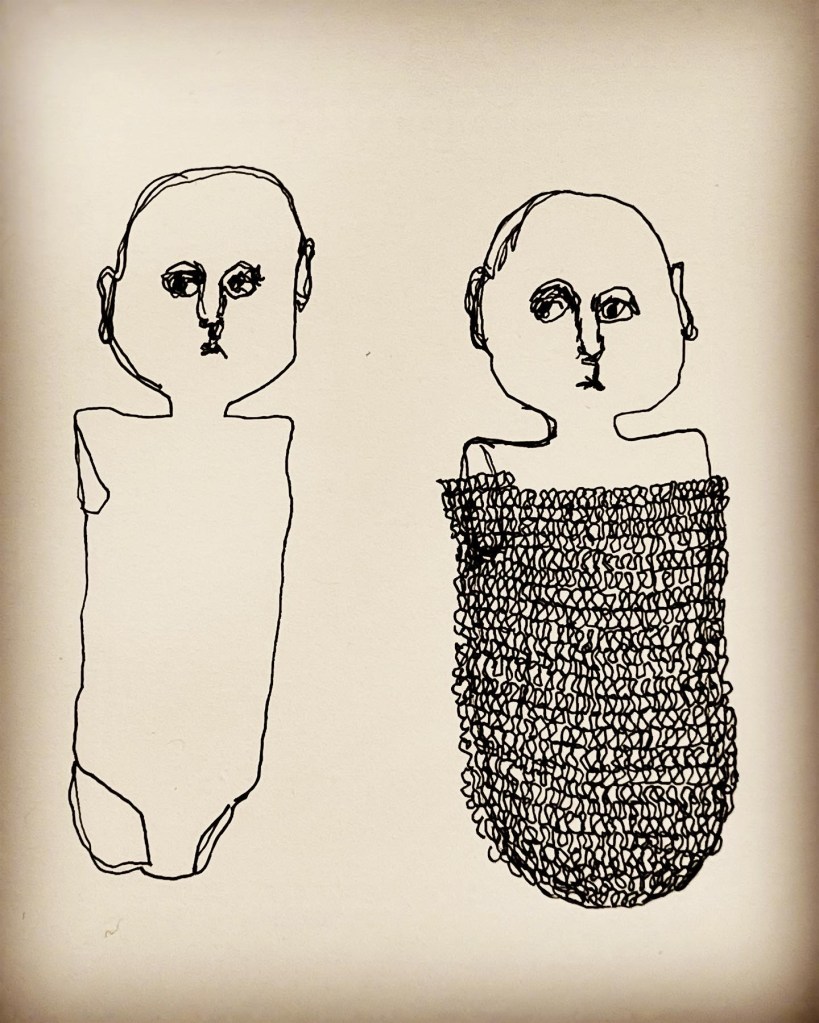
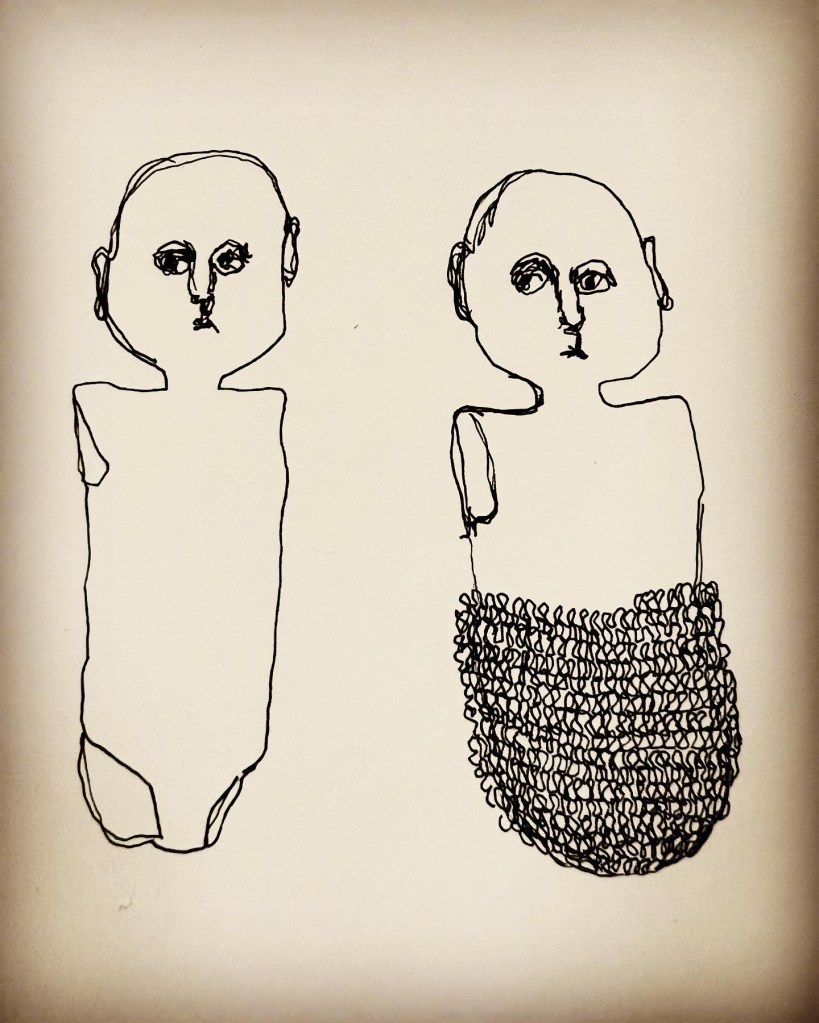
My practice is intuitive born from personal trauma, trying to answer this or even justify why I use textiles, is how I have always worked this research has enabled me to define why I use textiles, dolls as a medium in my practice but in this module as a protest against the lack of change, I will experiment using textiles, print, mixed media some ceramic which will lead me to be able to answer these questions fully, but also does it matter? Is it the use of visual narrative to convey research that is both personal and universal that is important, does my belonging to a certain category change that for me? for the viewer? Do I need to change my medium to be taken seriously? This is an ongoing study. Below is on of my finished pieces for my body of work.
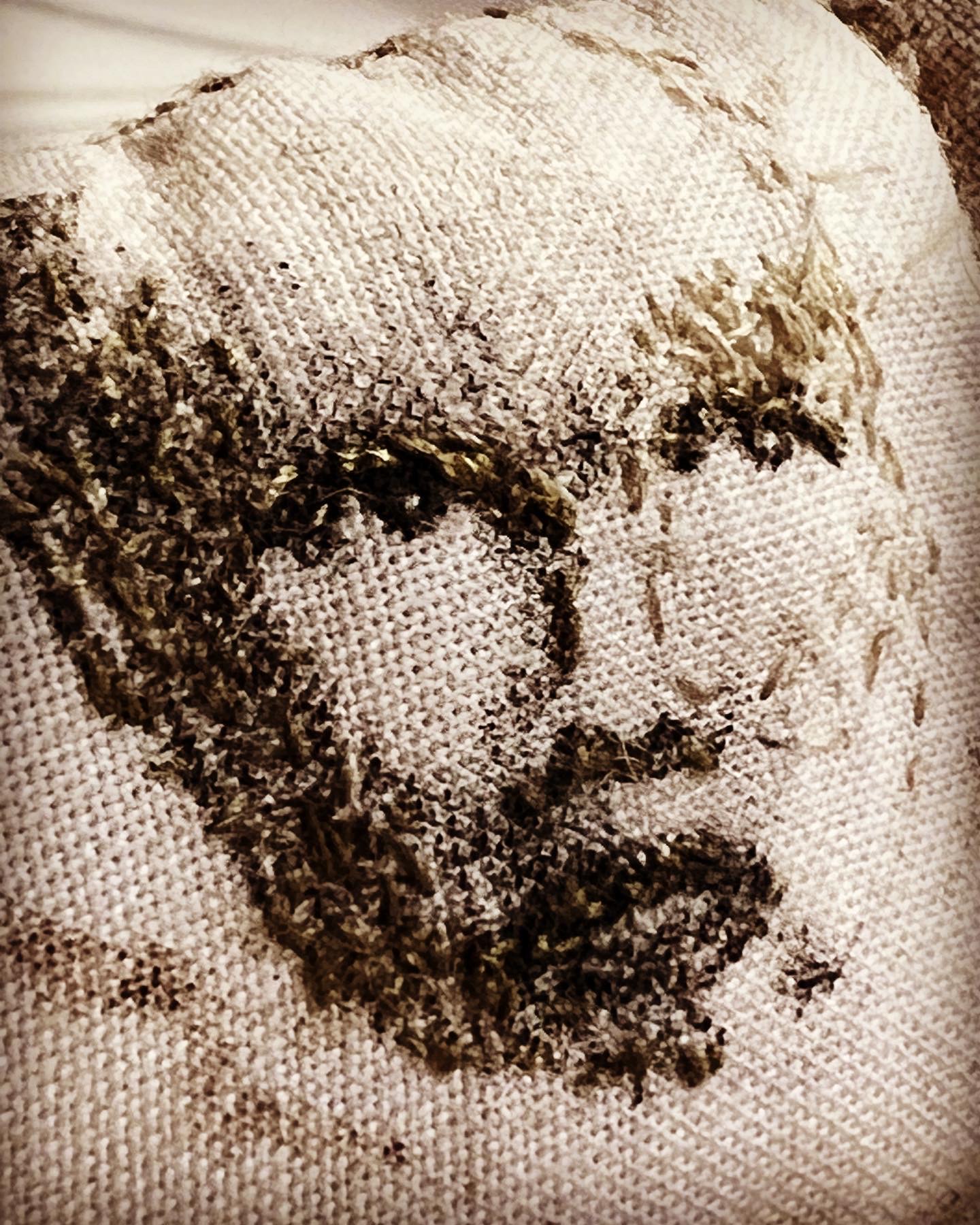

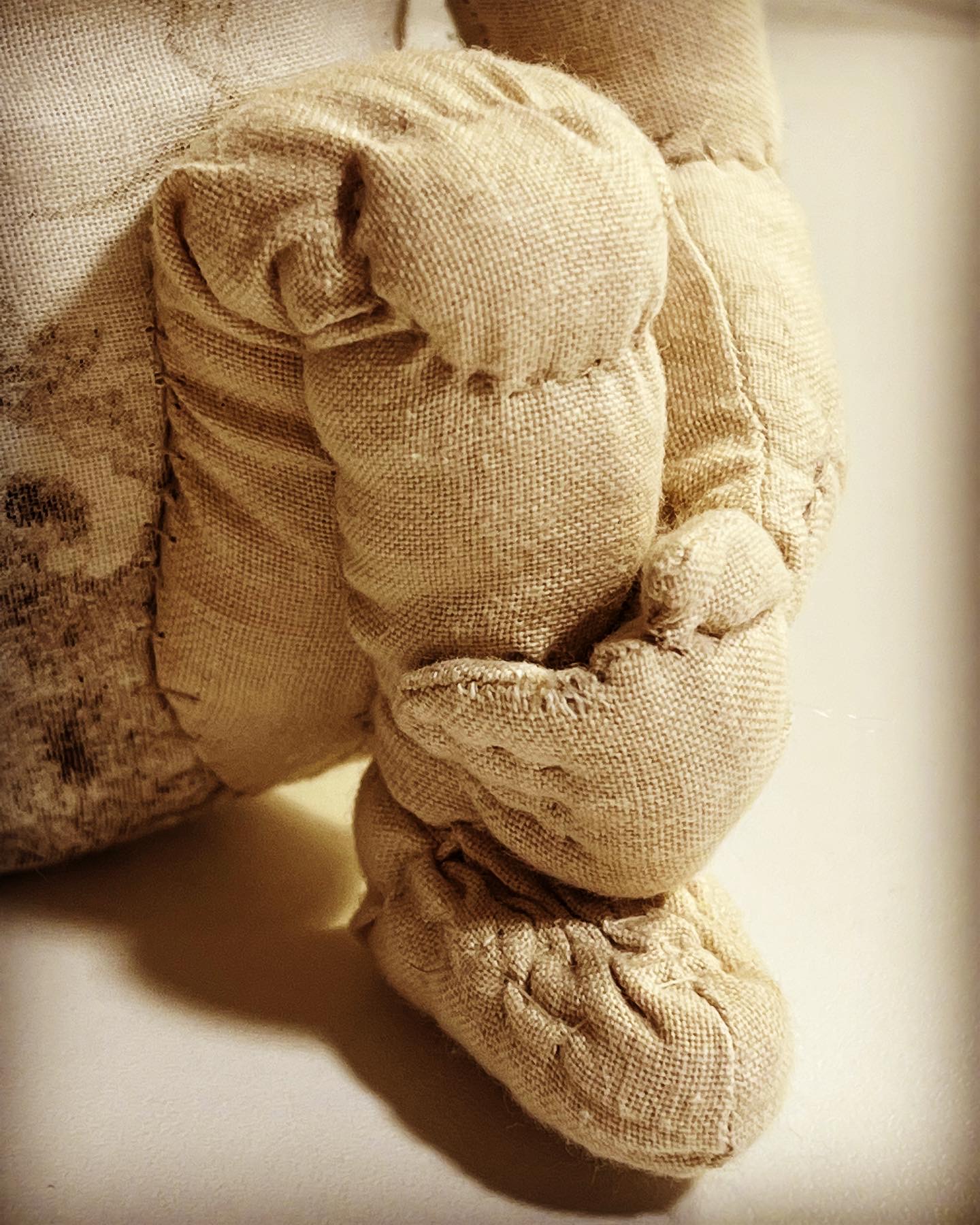
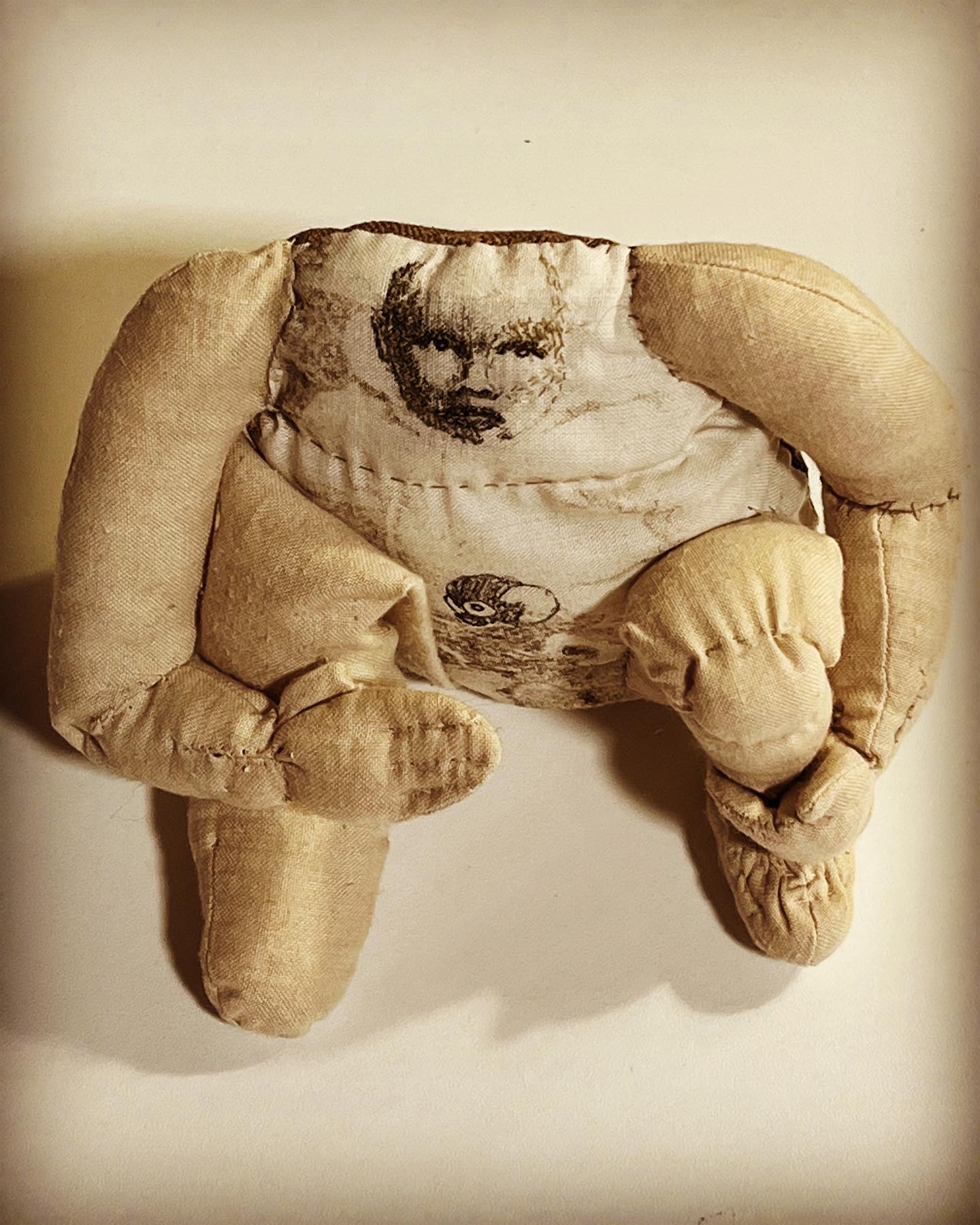
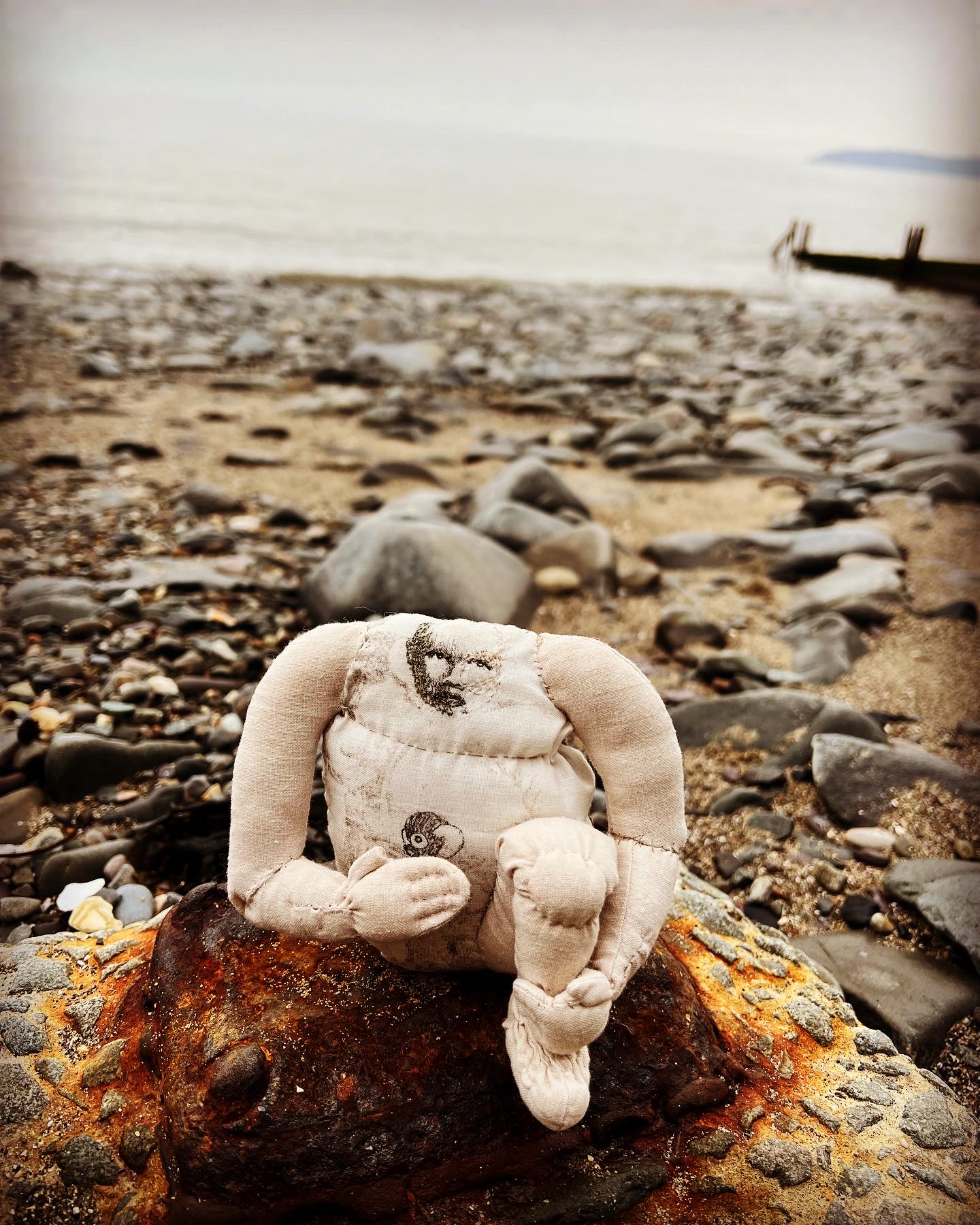
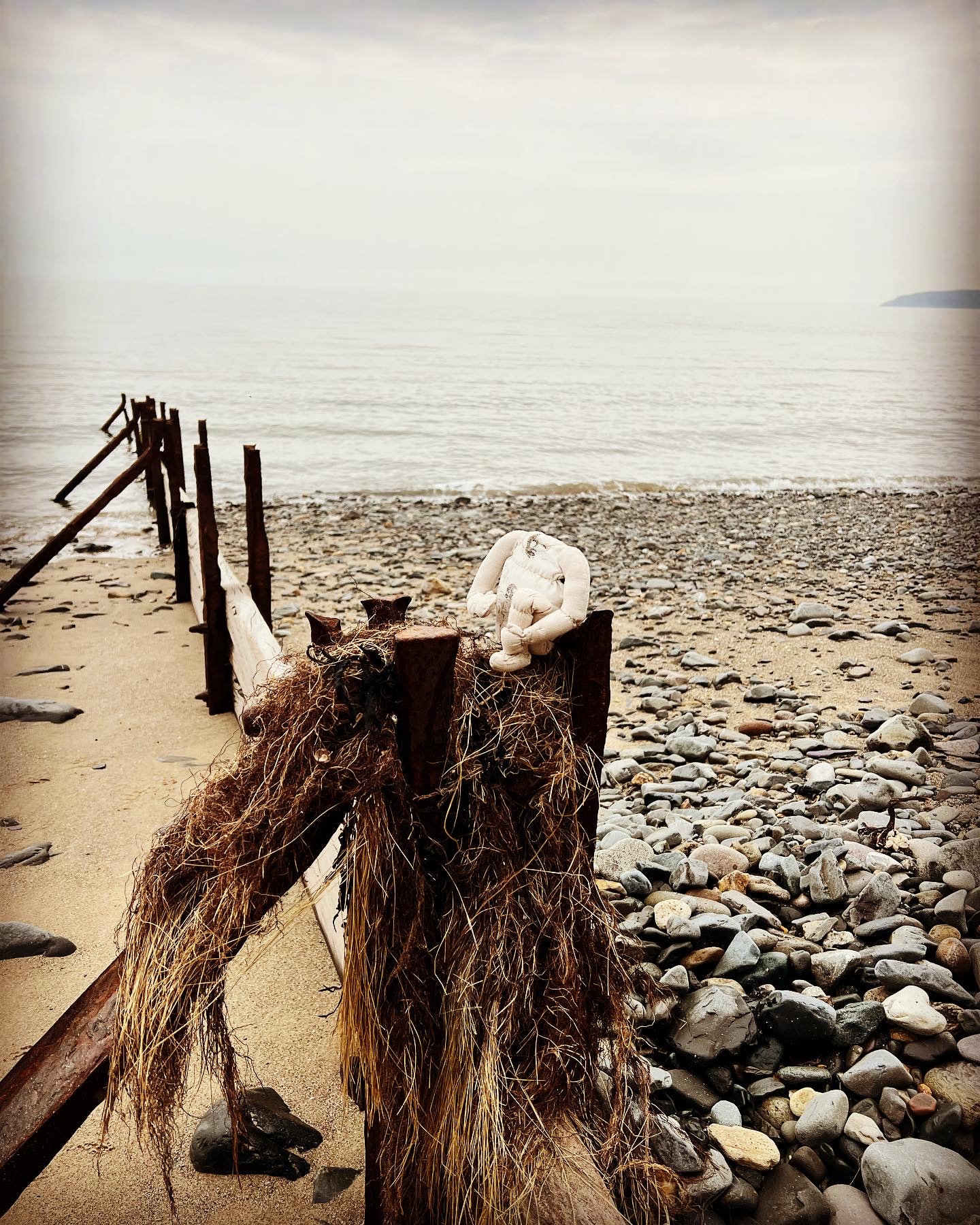
Having read back what I have included in my blog up until formative assessment, I need to include more reflection on my weekly seminars which I have done in my notebook, it needs to be on here, from this point it is my post Formative work but reflecting back on the first part of the module. Where I am up to now and what I have left to do, time management, how this is going?
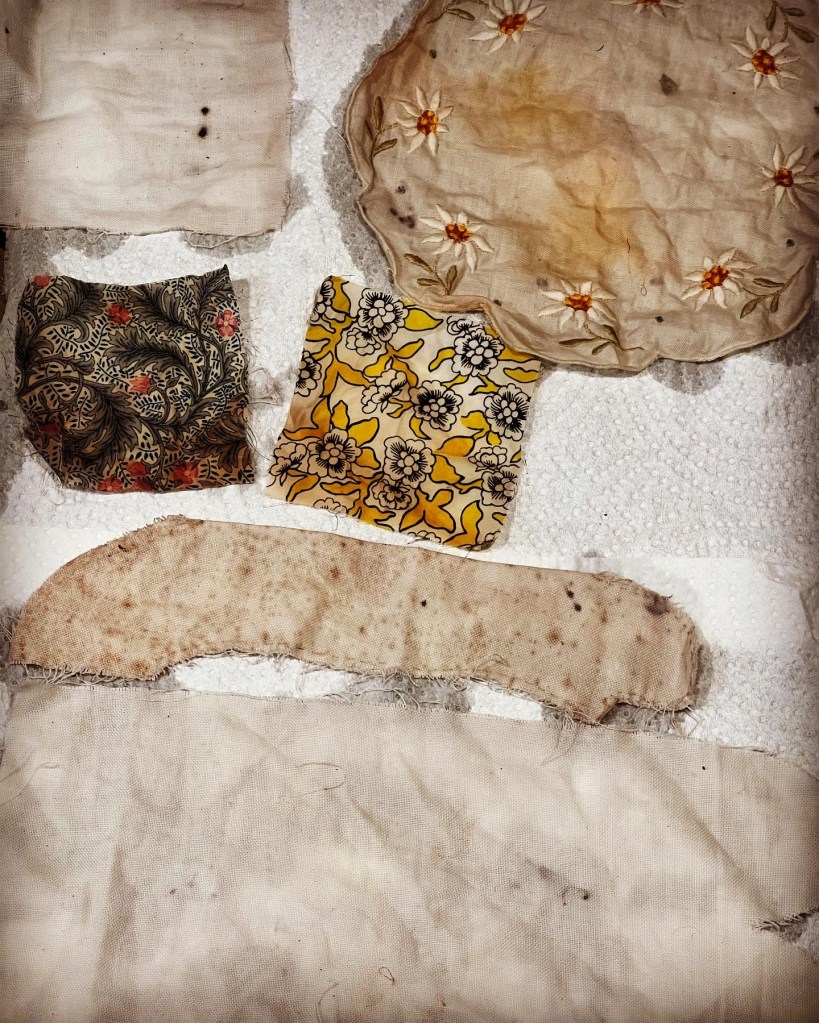
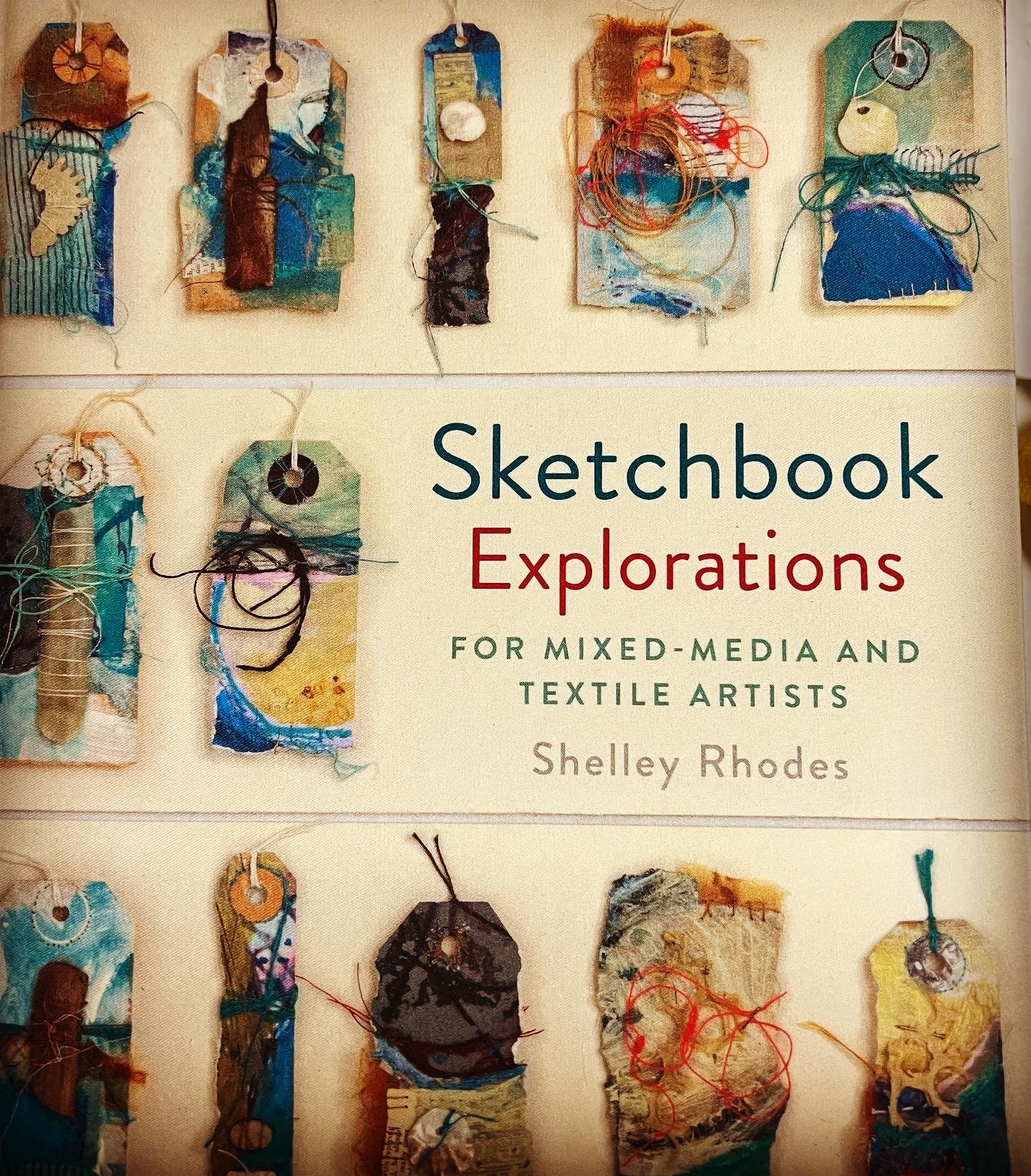
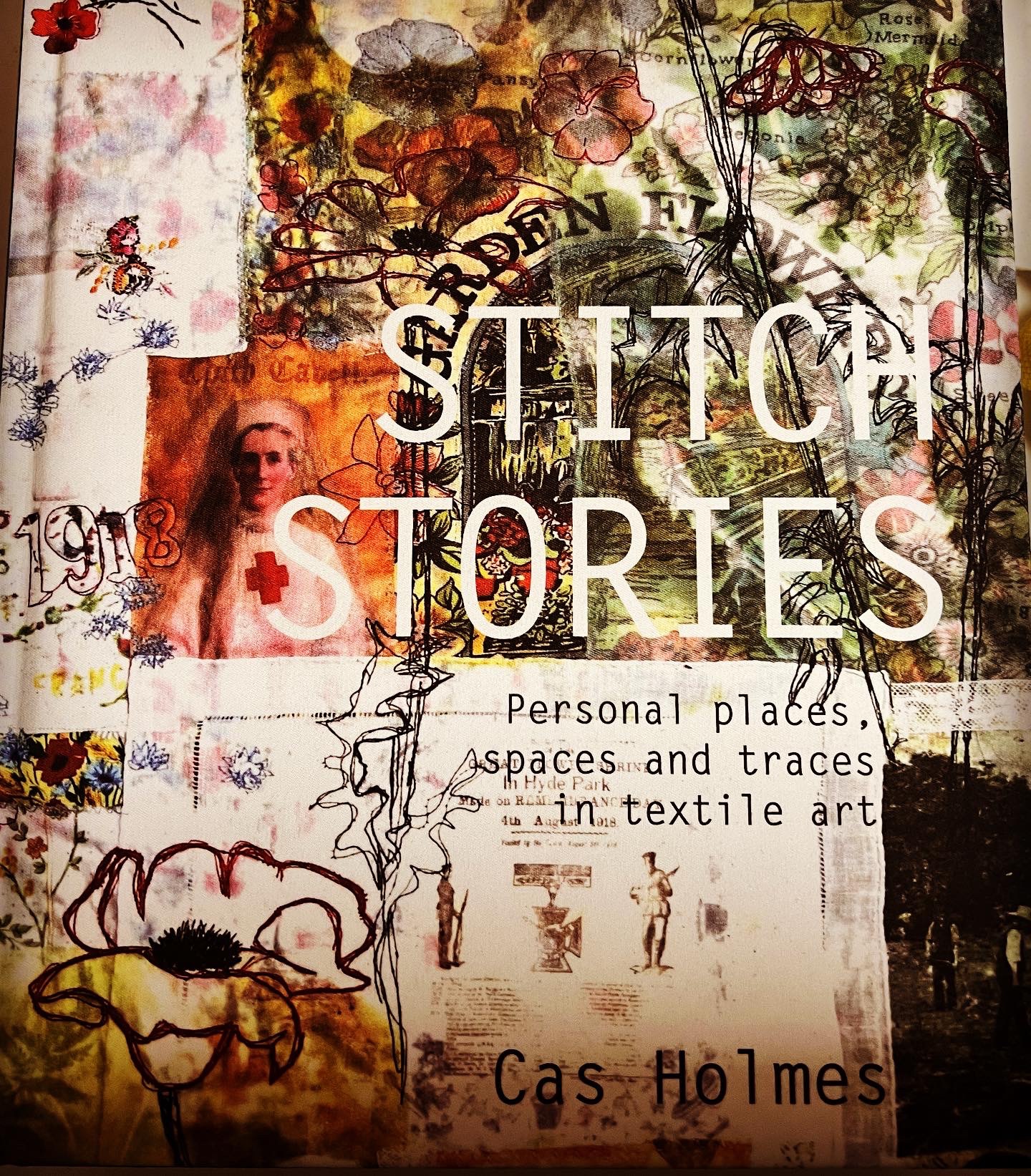
A selection of books for my creative research module

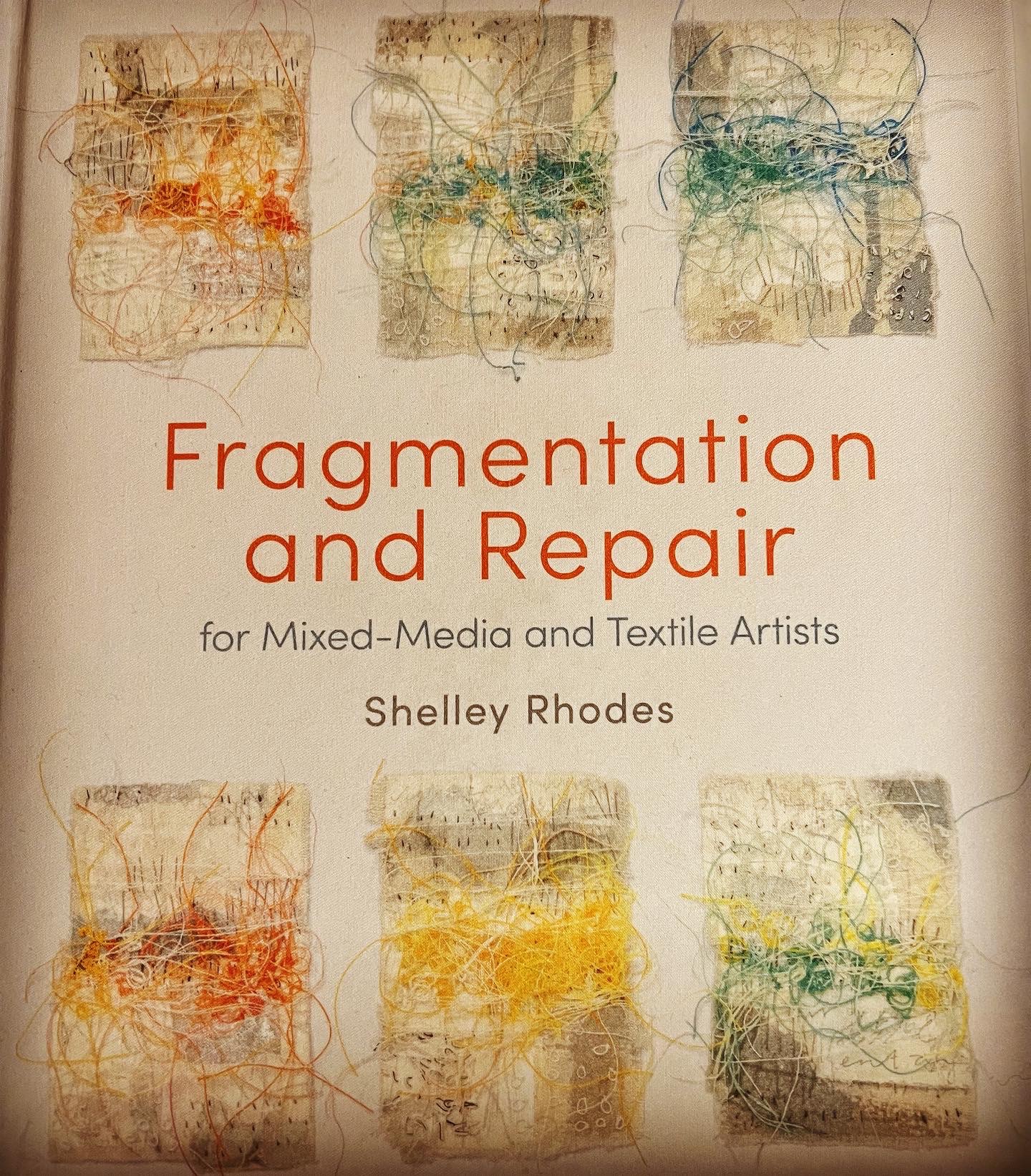


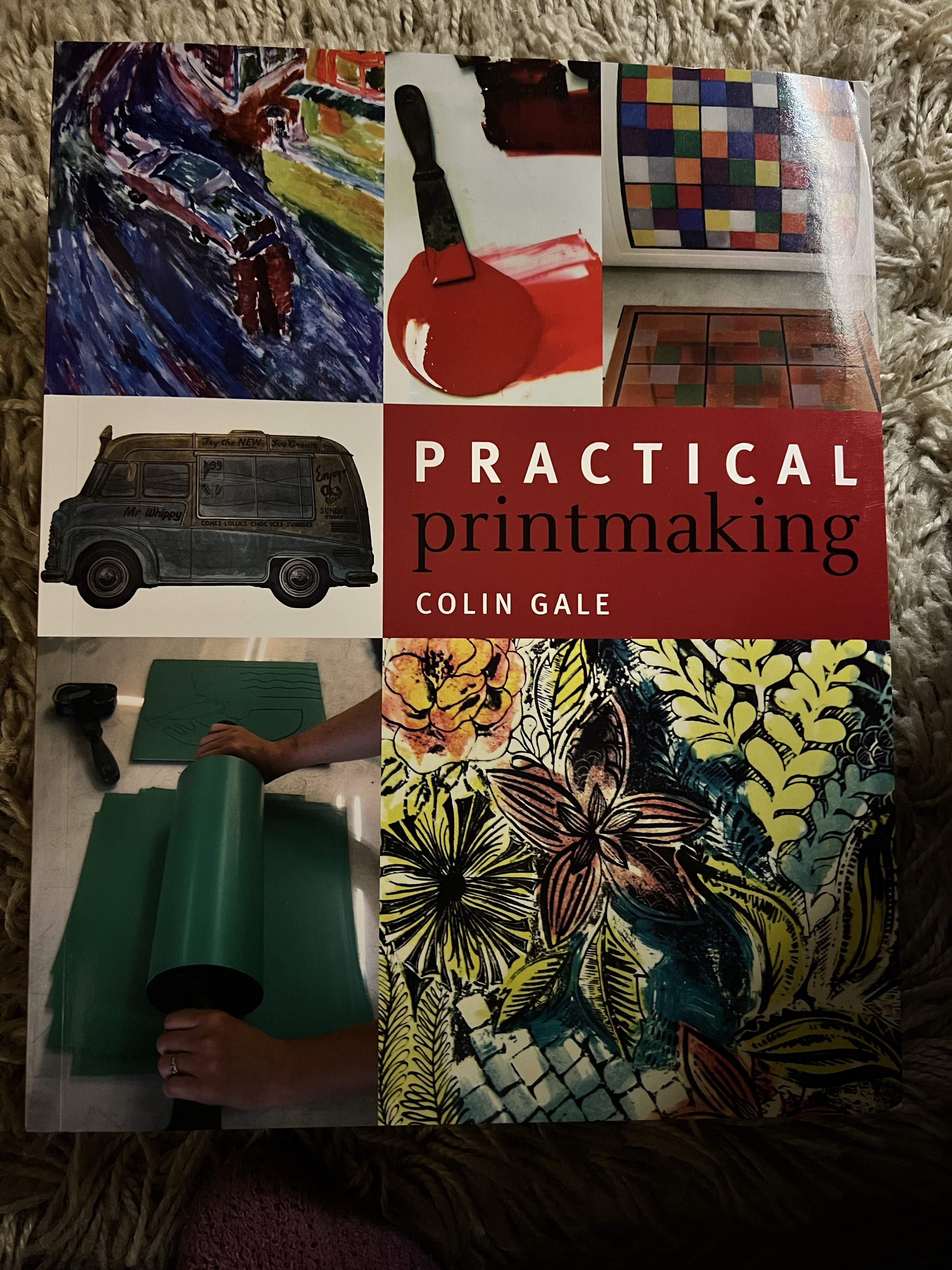

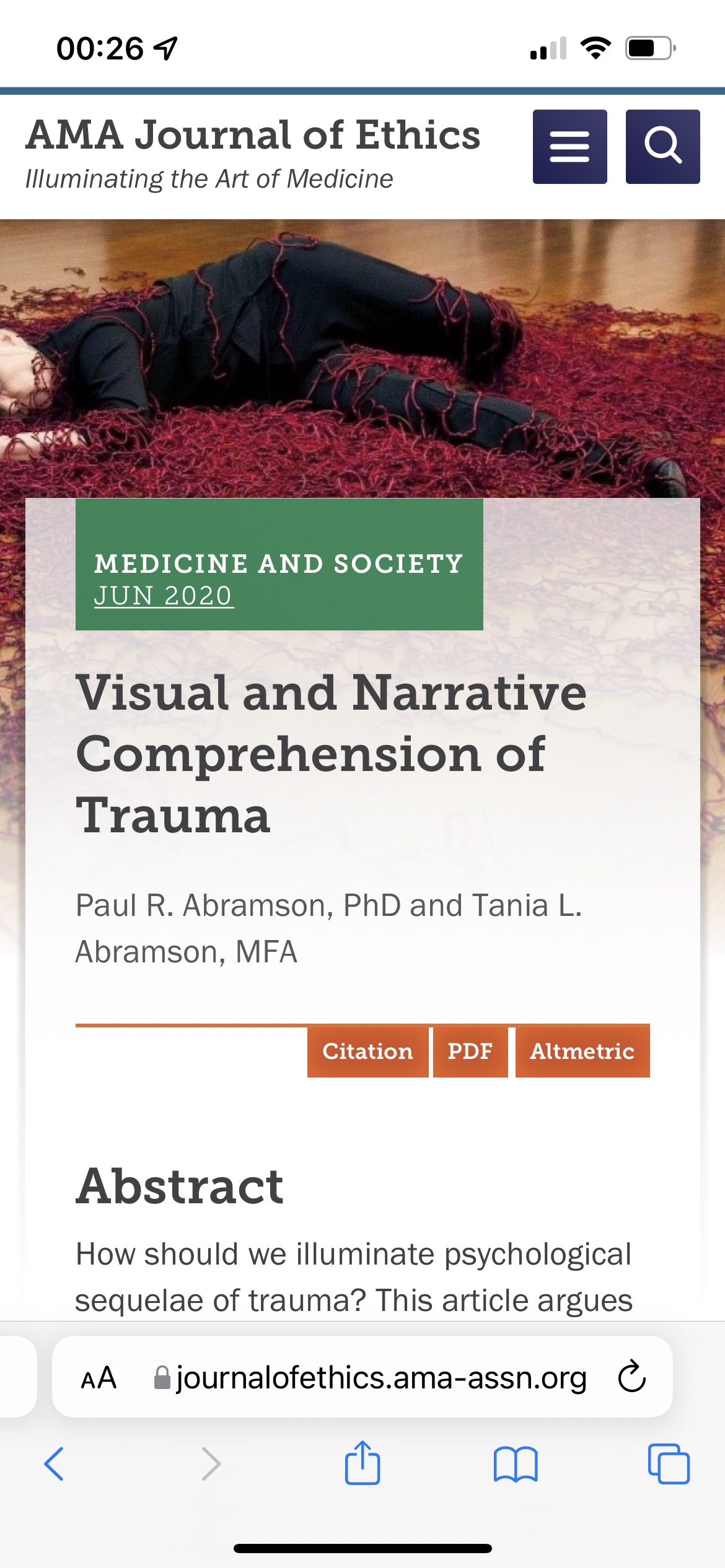
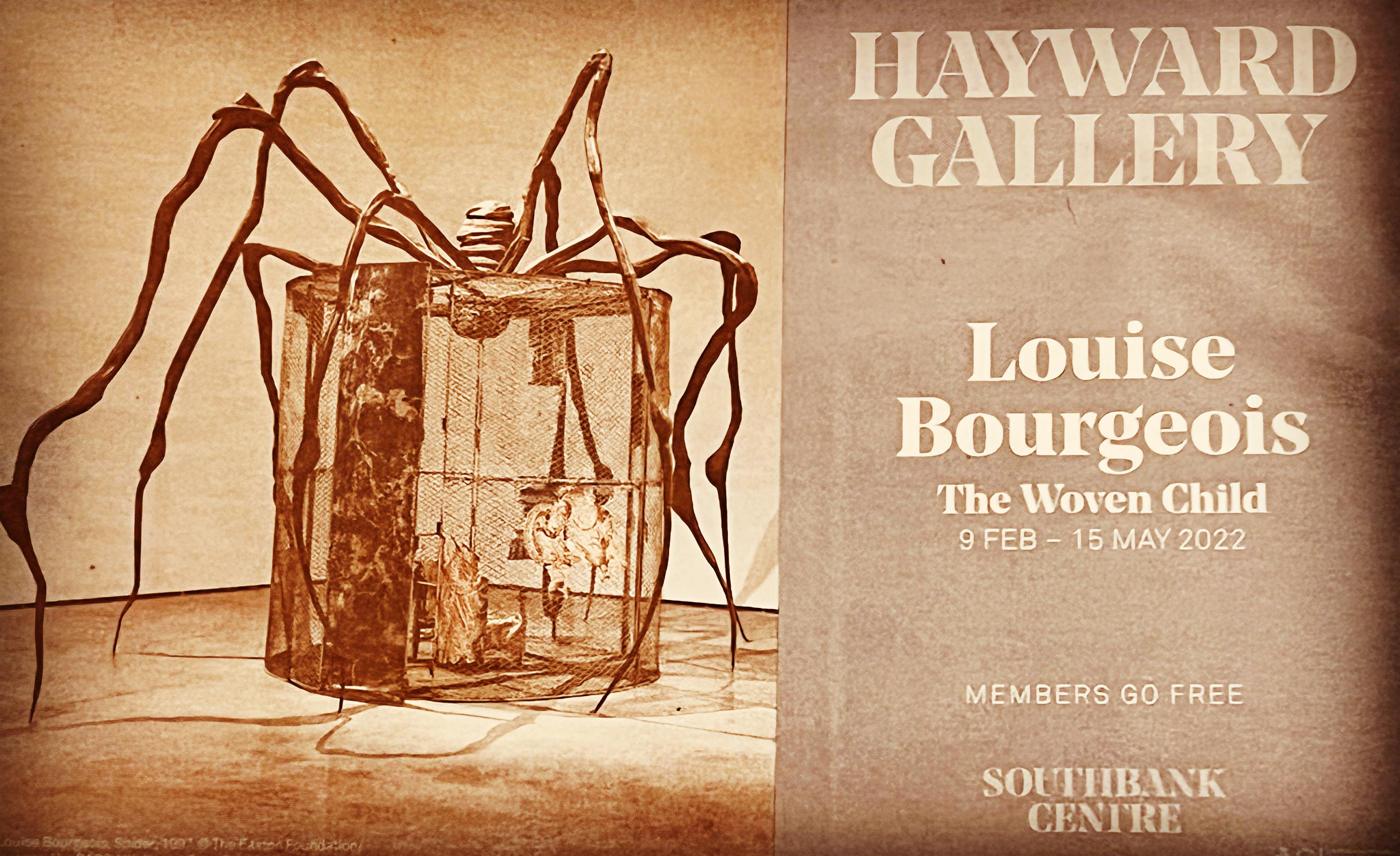

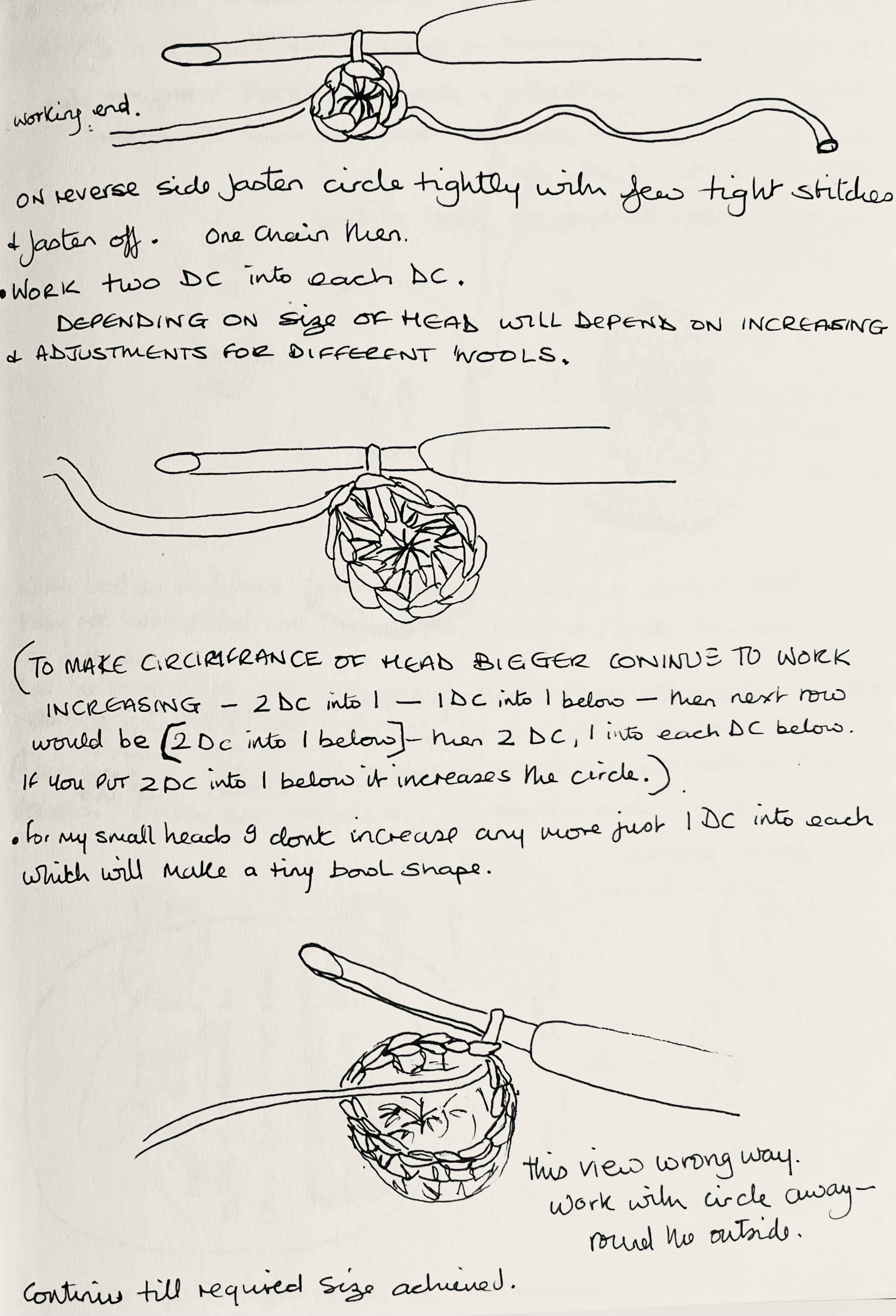


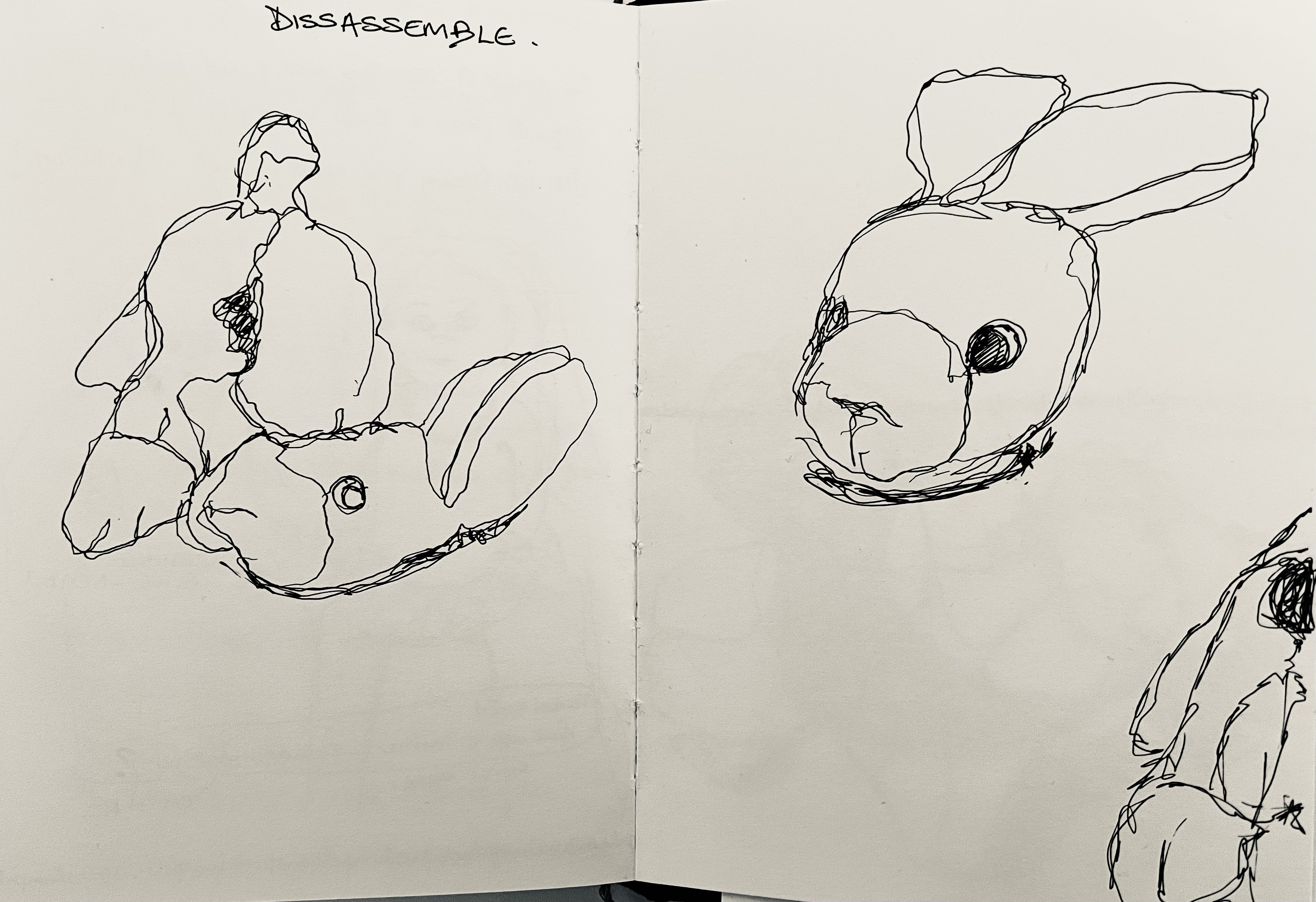
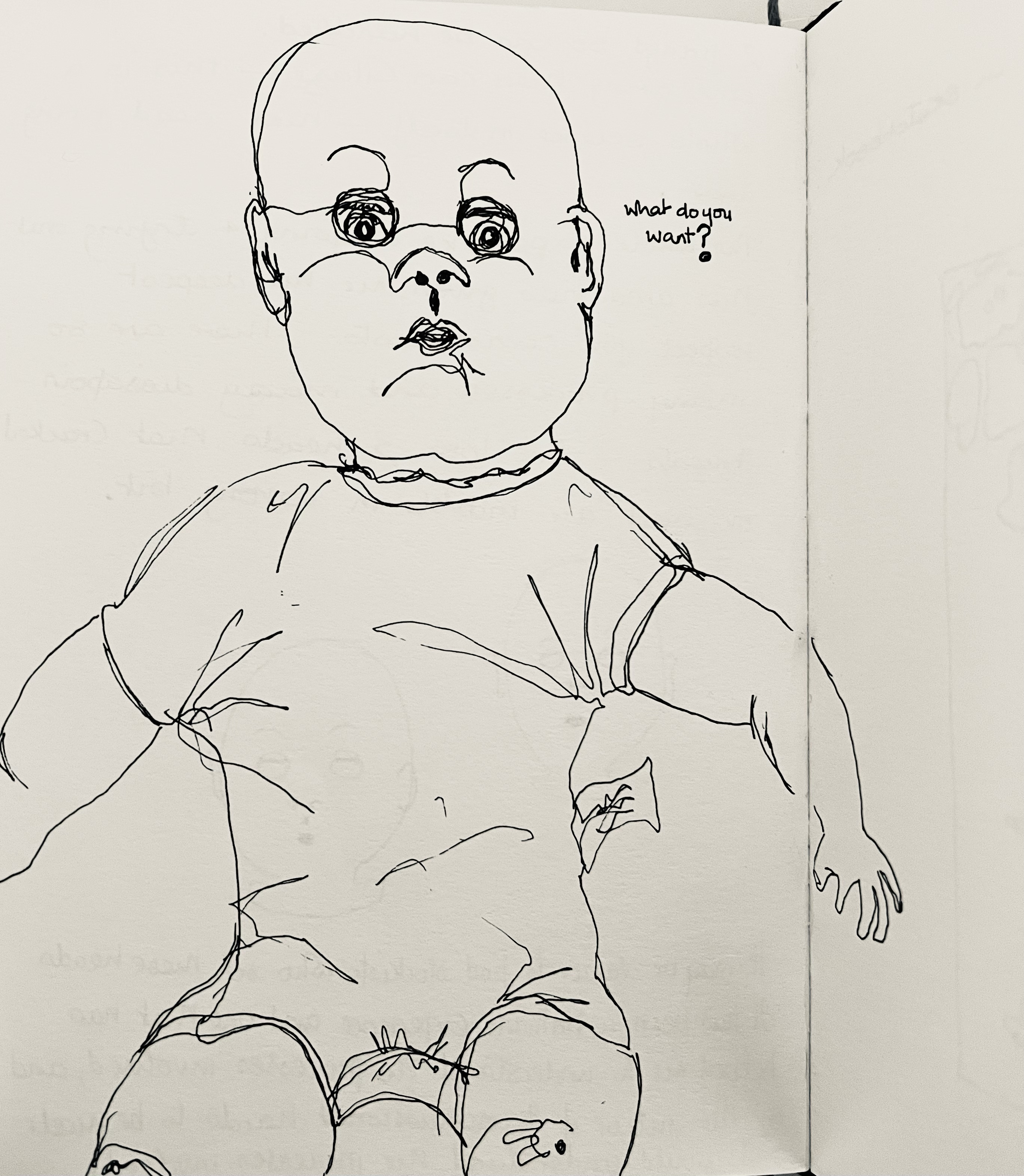

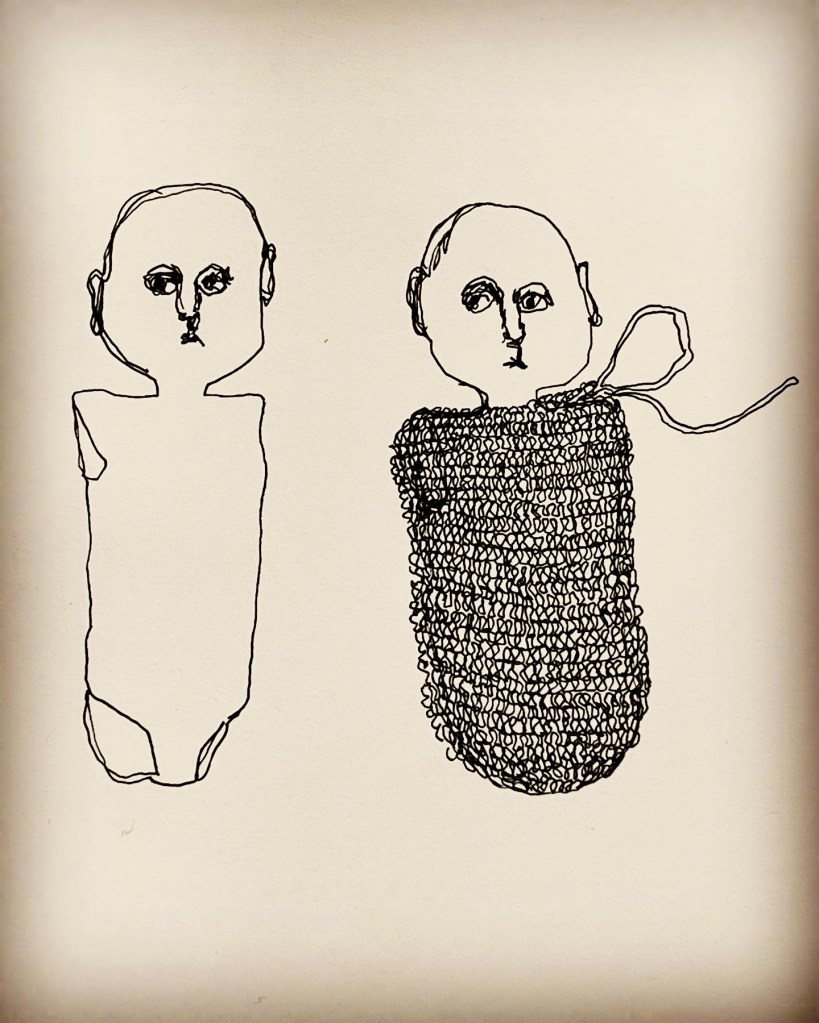
Using my sketchbook has always been my way to record my work in progress, to work out ideas and to test out new work, when I think, I visualise in images not words. My sketchbook is part of this material thinking.
Throughout this project I have done this but slightly differently, I have written in my notebook and taken photos as visual references, printed in various methods, made models, moulds and drawings. On reflection I have continued to explore new methods, as I am part time I am able to continue to explore.
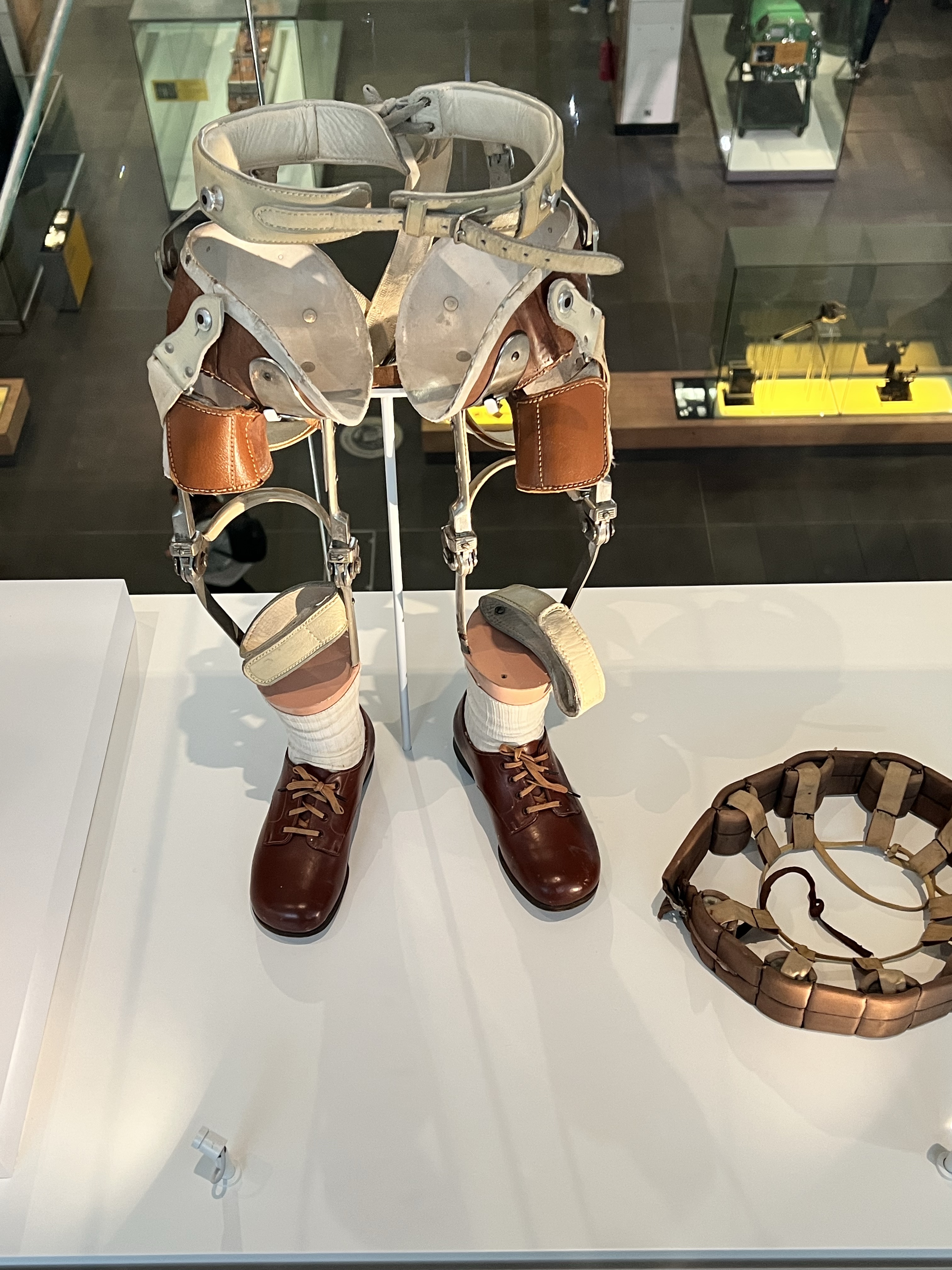
I have however felt that my practice has been somewhat directionless and I have focused on visually researching from lots of different angles and therefore I have struggled to put it all together in a body of work that depicts what I’m aiming to research, which is working through childhood trauma, it is difficult to tap into traumatic events from my past, working emotively through the process is exhausting and I have found myself re living feelings that I thought long buried and forgotten. Having worked through some of my trauma I have been able to balance making in this manner with new learning. So as not to be overwhelmed with these feelings.
Therefore through a planned making then learning then repeat, it has been very challenging but also very rewarding, the following images are of my body of work so far.




 CarysAnne.Art